
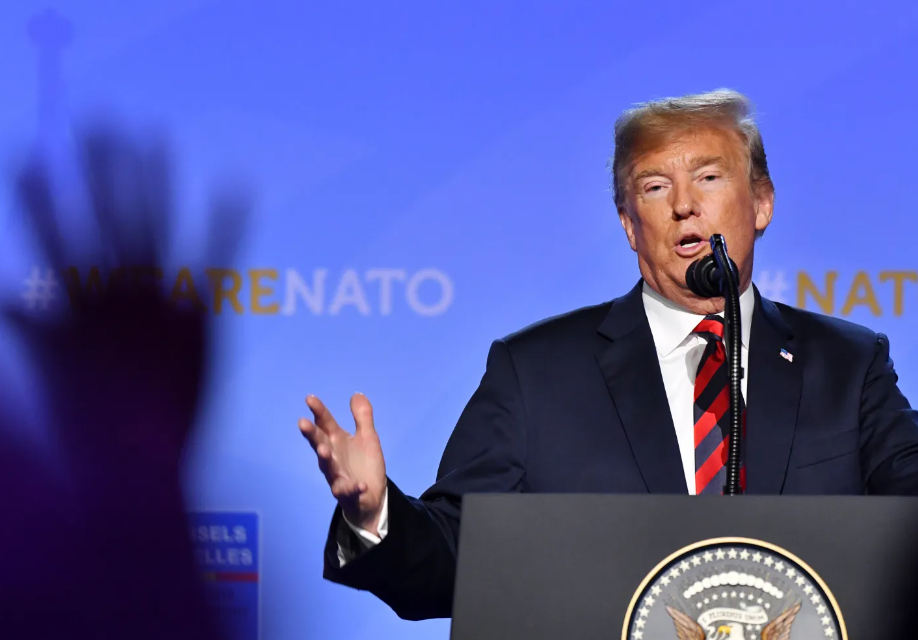

Germany has firmly rejected U.S. President Donald Trump’s call for NATO allies to help secure the Strait of Hormuz, a crucial waterway for global oil shipments. German officials said the alliance has no role in the ongoing conflict, emphasizing that NATO is strictly a defensive organization.
The comments came after Trump warned European countries that they could face a “very bad future” if they do not support U.S. efforts to reopen the strait. The Strait of Hormuz, located between Oman and Iran, is one of the world’s most important maritime passages. Millions of barrels of oil pass through this narrow corridor every day, making it a strategic point in global energy supply.
Germany Stands Firm Against U.S. Pressure
Stefan Kornelius, a spokesperson for German Chancellor Friedrich Merz, told reporters in Berlin that Germany will not participate in any military operations in the region.
“This war has nothing to do with NATO. It’s not NATO’s war,” Kornelius said. He stressed that NATO is an alliance focused on defending member countries’ territories, not intervening in conflicts outside its borders.
Germany’s stance highlights a growing divide between Washington and European allies on how to handle the conflict. While the United States is pressing for a more aggressive approach, Germany and several other NATO members are urging caution, stressing that the alliance should remain a defensive body.
Trump warns NATO of consequences if allies don’t help reopen the Strait of Hormuz
Kornelius also pointed out that the U.S. and Israel did not consult Germany before the war began. He said, “Washington explicitly stated at the start of the war that European assistance was neither necessary nor desired.” This remark underlines Germany’s position that it was not involved in planning or supporting the military actions that have led to tensions in the region.
Trump’s Warning to NATO Allies
On Sunday, President Trump issued a stern warning to NATO countries. He said they could face serious consequences if they refuse to help reopen and secure the Strait of Hormuz. The message was clear. The United States expects European allies to play a role in keeping oil flowing through this critical passage.
Trump spoke in strong terms. He suggested that failing to act could lead to a “very bad future” for countries that rely on secure shipping lanes for energy. His statement puts pressure on NATO countries. They may feel compelled to consider supporting U.S.-led operations, even though no formal request has been made.
Despite Trump’s warnings, Germany has stayed cautious. Officials said there would be no involvement in military actions while the war continues. Kornelius added, “As long as this war continues, there will be no involvement. Not even in an option to keep the Strait of Hormuz open by military means.”
NATO’s Role and Europe’s Response
NATO, formed after World War II, is a defensive alliance designed to protect the territories of its member countries. It is not intended for offensive military actions or involvement in conflicts outside the alliance’s borders. Germany’s response reinforces this principle, signaling that NATO resources will not be used to intervene in the current crisis.
Former NATO leader expects the alliance to remain out of Middle East conflict
European countries have expressed concern about escalating conflicts in the Middle East and are wary of being drawn into direct military action. Germany’s stance reflects a broader European sentiment that emphasizes diplomacy and defense rather than foreign military intervention.
The tension between Washington and Berlin shows a clear difference in approach. While the United States is focused on securing vital energy routes, Germany insists on respecting NATO’s original defensive mandate. This disagreement has created a noticeable gap between the U.S. and some of its most important allies, raising questions about how the alliance should respond to conflicts that fall outside its traditional scope.