
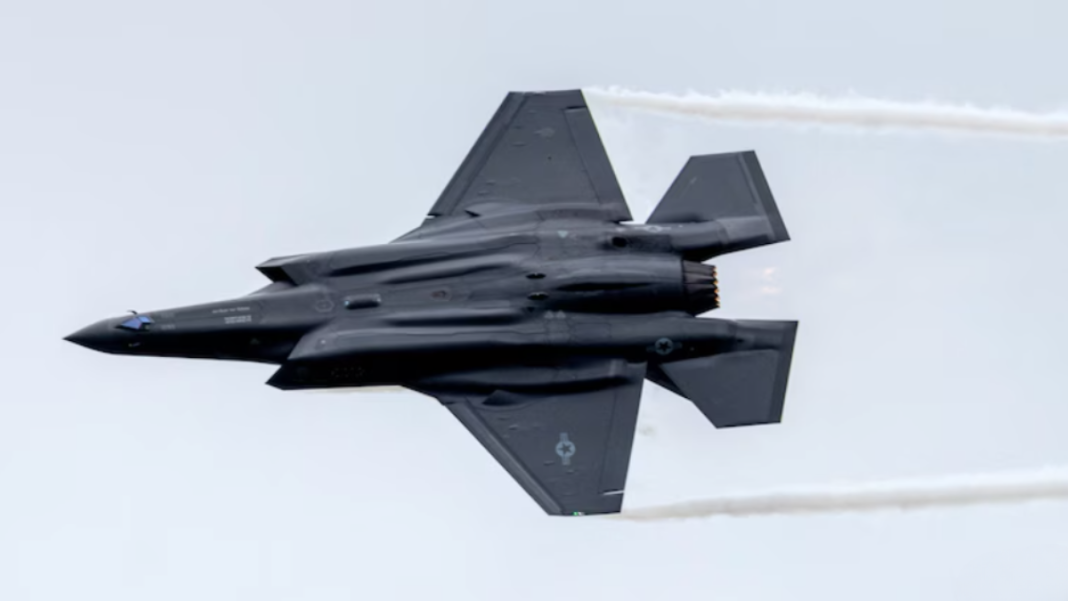

Germany is considering buying more U.S.-made F-35 fighter jets, according to sources familiar with the discussions. The possible purchase signals a deeper shift in Europe’s defence landscape as Berlin reassesses its military priorities while a joint European fighter program struggles to move forward.
The talks could lead to Germany ordering more than 35 additional stealth aircraft, potentially doubling its existing commitment. The move highlights growing security concerns in Europe and increasing reliance on American defence technology at a time when cooperation on a next-generation European jet faces serious delays.
Germany Moves Toward Larger F-35 Fleet
Germany agreed in 2022 to purchase 35 F-35 fighter jets, known as the F-35 Lightning II, to modernize its air force. Deliveries of these aircraft are expected to begin later this year. Talks are now underway that could significantly expand the order. If all proposed purchases move forward, Germany could operate about 85 F-35 aircraft. However, discussions are still ongoing, and no final decision has been confirmed.
Germany says air defense missile stocks are depleted limiting direct transfers to Ukraine
The jets are built by U.S. defence company Lockheed Martin. Each aircraft costs more than $80 million. This price does not include training, equipment, or maintenance expenses. The company says it is currently focused on completing Germany’s existing orders.
The potential expansion comes as the United States urges European allies to increase defence spending. These calls come amid rising security concerns. Germany’s defence ministry has not publicly commented on the talks. Germany initially chose the F-35 to meet NATO nuclear-sharing obligations. The aircraft will replace aging Tornado jets capable of carrying U.S. nuclear bombs stationed in Europe.
European Fighter Project Faces Growing Deadlock
The possible expansion of Germany’s F-35 fleet comes as its joint fighter jet project with France faces growing difficulties. The program, called the Future Combat Air System (FCAS), was launched in 2017 as a 100-billion-euro plan to develop a next-generation combat aircraft aimed at replacing several European jets around 2040 and strengthening Europe’s defence independence.
Progress has slowed due to disagreements over industrial leadership, technology sharing, and the overall direction of the project. Sources say the partners are now deadlocked, raising doubts about whether the fighter jet portion of FCAS will continue.
Germany risks €164bn gold fortune by keeping it in US, critics warn
The challenges surrounding the program have increased uncertainty about Europe’s ability to build advanced military aircraft. There are growing doubts about whether this can happen without relying on American technology. Expanding Germany’s F-35 fleet would signal a shift away from European defence autonomy. That autonomy has long been a goal for some policymakers.
Despite tensions, cooperation between European partners is expected to continue. Joint work is likely to focus on drones, digital warfare systems, and connected defence technologies. The uncertainty has also sparked debate about the future of air combat. Some experts question whether it will rely less on crewed fighter jets. Advances in artificial intelligence and uncrewed systems are reshaping modern warfare planning.
Strategic Importance for NATO and European Security
Germany’s potential purchase of additional F-35 jets carries implications beyond national defence. The aircraft plays a key role in NATO’s long-term strategy due to its stealth technology, advanced sensors, and ability to operate seamlessly with allied forces through shared data systems.
Expanding the fleet would strengthen Germany’s contribution to NATO missions and improve coordination with other members already operating the jet, including Italy, the Netherlands, Norway, and Poland. The F-35’s nuclear certification is also significant, as certain NATO countries are tasked with delivering U.S. nuclear weapons during crises. Replacing Germany’s aging Tornado aircraft ensures the country can continue fulfilling this responsibility.
Baltic airport enters NATO defence network as Germany steps up militarisation
Sources say acquiring more F-35s could give Germany time to reassess its long-term aviation plans while uncertainty continues around the stalled European fighter program. The jets may act as a temporary solution, helping maintain readiness while decisions on future air combat systems remain unresolved.
Germany’s review reflects broader changes across Europe, where governments are increasing defence spending, upgrading military equipment, and strengthening alliances amid rising security concerns. Talks are still ongoing, and officials have not confirmed whether a final agreement will be reached.