
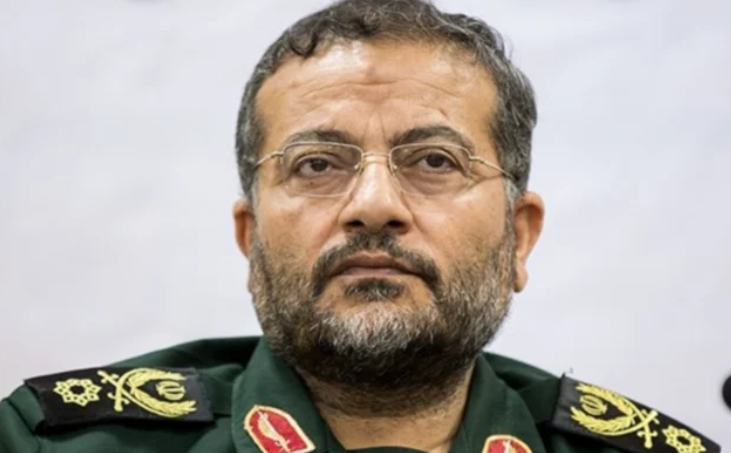

Israel’s military announced on Tuesday that it has killed General Gholamreza Soleimani, a senior Iranian commander, during a precise strike in Tehran. Soleimani was the head of Iran’s Basij volunteer paramilitary force, which is a major part of Iran’s Revolutionary Guards. The Israeli military stated that the strike also killed several other senior Basij leaders, including the deputy commander.
Israel Strikes Tehran and Targets Top Iranian Leader
The strike comes amid a rapidly escalating conflict between Israel, the United States, and Iran. Israeli officials said that they carefully planned the operation to disrupt Iran’s military leadership and reduce its operational control across the region. Iran has not yet confirmed Soleimani’s death, and Tehran has issued no official statement.
The attack follows several weeks of cross-border actions, with both Israel and Iran targeting each other’s military bases, command centers, and strategic installations. Analysts describe the strike as one of the most significant blows to Iran’s military hierarchy since the current conflict began, saying it shows Israel’s ability to carry out high-precision strikes against top Iranian leaders, which further increases tensions in the Middle East.
Military observers note that targeting high-ranking officials like Soleimani can disrupt Iran’s command and control structure. Israel said that it designed the operation to weaken the Basij’s coordination, which could affect Iran’s ability to organize military operations in neighboring countries.
Who Was Gholamreza Soleimani and Why He Was Important
Gholamreza Soleimani was a prominent commander leading the Basij force, a large Iranian militia with thousands of members. The Basij has historically carried out domestic security duties, including controlling crowds and enforcing government policies, and has conducted military operations abroad. Its members often support the Revolutionary Guards during conflicts and train in both conventional and irregular warfare.
Soleimani’s role made him a key figure in Iran’s military and political system, giving him significant influence over the country’s armed forces. Israel described him as a high-value target, responsible for planning and coordinating operations against Israel and other regional opponents. Military experts say his reported death would be a major setback for Iran’s operational capabilities, particularly for the Basij, which relies heavily on its leadership to maintain structure and effectiveness.
Iran’s Khamenei reportedly plans to flee to Russia with close aides amid growing protests
Despite Israel’s announcement, independent verification of Soleimani’s death is not yet available. Iran has not publicly confirmed the strike, leaving many questions about the extent of the impact. The operation also reportedly targeted other senior officials, including Ali Larijani, Iran’s national security chief, though his current status is unclear.
The Basij force itself has been a key instrument for Iran in both domestic and foreign conflicts, and losing a commander of Soleimani’s stature could have implications for ongoing military operations and strategic planning.
Rising Tensions Across the Middle East
The reported killing of Soleimani occurs amid a widening conflict in the Middle East. In recent weeks, the United States and Israel have carried out coordinated strikes on Iranian leadership, including attacks that reportedly killed Iran’s Supreme Leader, Ayatollah Ali Khamenei. In retaliation, Iran has launched missile and drone attacks targeting Israel and U.S. military bases across Gulf countries, including Kuwait, Iraq, and Qatar.
These attacks have not only targeted military sites but have also affected civilians. In Kuwait, for example, two medical staff members were injured when shrapnel from Iranian attacks struck an emergency medical center. Such incidents highlight the human cost of the conflict and the dangers faced by ordinary people in the region.
Iran deploys elite black-clad NOPO commandos to guard new supreme leader Mojtaba Khamenei
Global powers are closely watching the escalation. China has announced plans to provide humanitarian aid to countries affected by the fighting, including Iran, Lebanon, Jordan, and Iraq. The aid is intended to support civilians caught in the escalating violence, including families displaced by attacks or living in conflict zones.
At this stage, Israel maintains that the strike successfully killed Soleimani, while Iran has not officially commented on the claim. Military experts say the strike illustrates the intensity of the ongoing conflict, with Israel targeting high-ranking Iranian leaders and Iran responding with attacks across multiple countries. The situation remains tense and unpredictable, with the potential for further escalations in the coming days.