
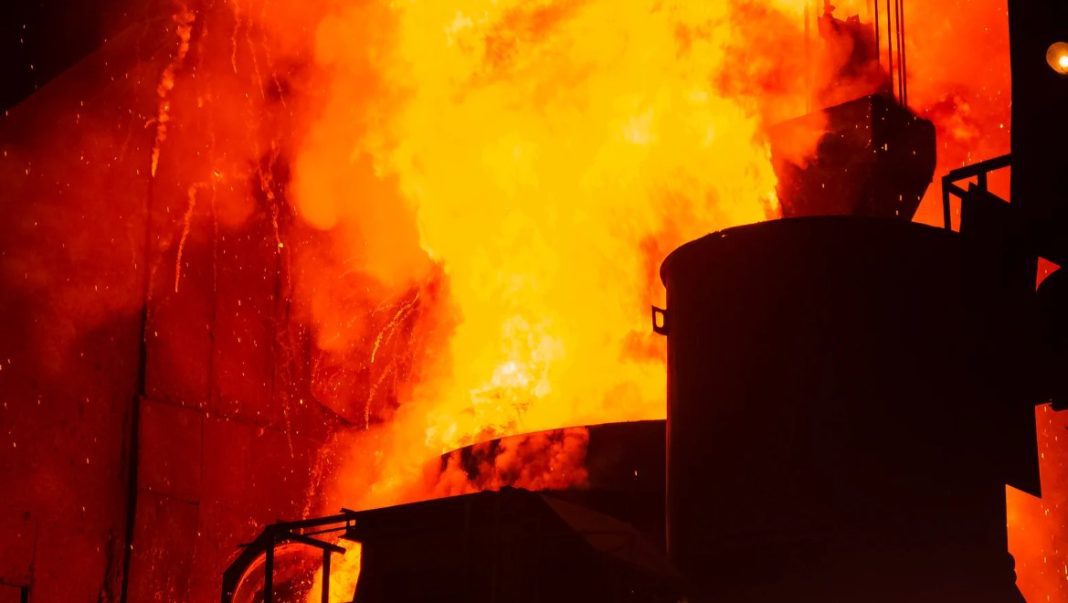

In a dramatic escalation of cross-border tensions, Ukrainian drone attacks set ablaze a fuel storage facility in southern Russia’s Krasnodar region on Thursday. The strike caused fires at two storage tanks in the port city of Temryuk, local authorities confirmed. The incident highlights the ongoing intensity of Ukraine’s campaign against Russian energy infrastructure and underscores the increasing use of unmanned aerial vehicles (UAVs) in the conflict.
Officials reported that the fires began shortly before 4 a.m. local time. Emergency crews rushed to the scene to contain the blaze, but authorities did not immediately confirm whether the fires were fully extinguished by midday. No casualties were reported. The attack comes amid a wave of drone activity across Russia, with multiple regions claiming successful interceptions of unmanned aircraft over the past 24 hours.
Widespread Drone Interceptions Across Russia
Air defenses in several Russian regions have been particularly active in responding to the surge of Ukrainian drone activity. Moscow’s defense systems downed 25 Ukrainian drones heading toward the capital within a 23-hour period. Nine of these were intercepted after 11 p.m. on Wednesday, showing the relentless pace of drone incursions.
Ukraine drones strike Russia’s Rostov region killing three and damaging homes near port
The Russian Defense Ministry reported that overnight, air defense systems shot down 141 Ukrainian drones across 11 regions, including annexed Crimea and areas along the Sea of Azov. Seven of these drones were intercepted specifically over the Krasnodar region, where the Temryuk fuel facility is located.
The increased aerial activity also affected civilian flights. Authorities temporarily restricted operations at several airports, including those in Krasnodar, where flights were suspended throughout the night. These measures were taken to ensure passenger safety and prevent potential accidents caused by low-flying drones. The surge of attacks highlights the challenges Russian defenses face in protecting large areas against smaller, low-altitude drones that can evade traditional defense systems.
Ukraine’s Focus on Energy Infrastructure
Ukraine has intensified its efforts to strike Russian energy infrastructure in recent months. Ukrainian military sources confirmed that Russia launched 131 drones toward Ukraine, of which 106 were intercepted by Ukrainian defenses. This ongoing exchange demonstrates the growing reliance on drone technology by both sides.
US signals readiness for new Russia sanctions linked to Ukraine peace talks
The Temryuk attack fits into a broader campaign targeting Russian oil refineries and fuel storage facilities. By disrupting these energy operations, Ukraine aims to limit Moscow’s oil revenues, a major source of funding for its war effort. November alone marked a record month, with at least 14 Ukrainian drone strikes on Russian oil facilities reported.
Analysts say these operations have become a central part of Ukraine’s military strategy. Using drones allows Ukrainian forces to target critical infrastructure without deploying large numbers of troops into high-risk areas. The strategy has proven effective in putting pressure on Russian energy supplies while keeping risks lower for Ukrainian personnel.
Escalating Tensions and Infrastructure Vulnerability
The Temryuk strike adds to a growing list of drone-related confrontations between Ukraine and Russia. Authorities across multiple regions remain on high alert, closely monitoring skies and deploying air defenses to protect critical infrastructure.
Ukraine drones strike Russia’s Rostov region killing three and damaging homes near port
Fuel storage facilities and oil refineries have proven particularly vulnerable to drone attacks. Incidents like the one in Temryuk highlight the potential damage and disruption these attacks can cause. While no casualties were reported, the fires disrupted local operations and raised concerns about the safety of essential infrastructure.
The use of drones in the conflict demonstrates how modern warfare increasingly relies on technology and unmanned systems. Both sides continue to deploy drones for offensive and defensive operations, making incidents like the Temryuk fire a recurring feature of the military landscape in the region. As the conflict continues, drone strikes remain a key element in targeting energy and infrastructure assets while testing the effectiveness of air defenses.