
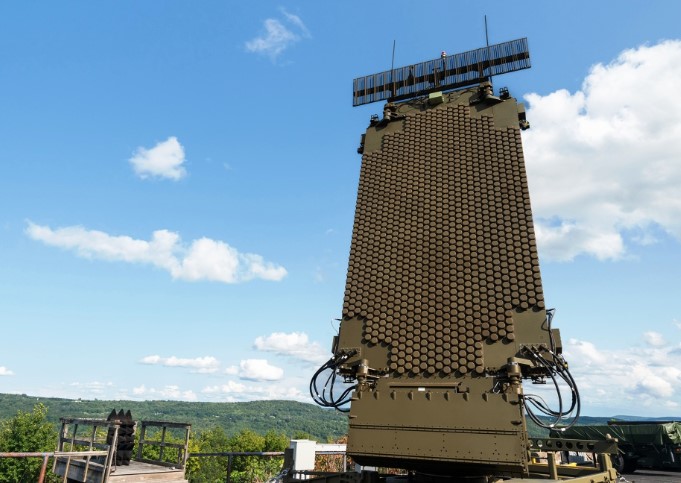

Denmark has selected the LM TPY-4 air surveillance radar to boost national security and support NATO’s shared defense, becoming the fifth country to adopt the system. The radar improves long-range detection of airborne threats and supports NATO’s integrated deterrence by helping allied forces work together more effectively.
Strengthening Denmark’s Air Defense and NATO Integration
The TPY-4 radar will significantly strengthen Denmark’s long-range air defense capabilities. Denmark plans to receive three radar units, with the option to add a fourth, to support the Royal Danish Air Force and contribute to NATO’s collective defense framework. These radars are designed to monitor large areas of airspace and provide early warning against airborne threats.
Using solid-state, phased-array technology, the TPY-4 radar can scan the sky continuously without rotating, unlike older systems. This allows it to detect and track multiple airborne targets at the same time and deliver real-time information. Such capability improves situational awareness and helps defense forces respond more quickly and accurately.
A key advantage of the TPY-4 radar is its open-architecture design. This enables smooth integration with existing air and missile defense systems, allowing data to be shared across allied networks. Improved data sharing creates a clearer airspace picture and strengthens coordination among NATO partners.
Mobility is another important feature of the system. The radar can be deployed to different locations based on operational needs, making coverage less predictable for potential threats. In addition, the radar is built for reliability and can operate effectively in demanding environments, ensuring consistent performance for national and regional security missions.
Advanced Radar Technology Built for Modern Threats
Modern air defense systems must handle a wide range of threats, from traditional aircraft to more complex and fast-moving airborne objects. The TPY-4 radar is designed to meet these challenges by providing long-range detection and precise tracking.
The radar’s advanced sensors allow it to monitor large areas of airspace. It can identify and follow objects at great distances, giving defense forces more time to assess situations and decide on appropriate actions.
Real-time tracking is a key benefit. This means information is updated instantly, helping commanders understand changes in the airspace as they happen. Accurate and timely data is essential for making informed decisions during security operations.
The TPY-4 radar also supports layered air and missile defense. This approach uses multiple systems working together to detect, track, and respond to threats at different ranges and heights. By fitting into this layered structure, the radar strengthens overall defense coverage.
Copenhagen puts Brussels on edge: Denmark backs tariffs and trade suspensions against Israel
The system has been designed for global deployment. Similar radar solutions from the same manufacturer are already used by more than 45 countries across six continents. This wide use shows that the technology has been tested in many different operational environments.
By selecting a system already in use by many allies, Denmark benefits from shared experience, training standards, and technical support practices that are common across NATO and partner nations.
European Industry Collaboration in the TPY-4 Program
European industry plays a key role in the TPY-4 radar program. The system is not built by one country alone but is the result of cooperation between U.S. and European companies. This makes the program a true transatlantic industrial collaboration.
An extensive European supplier base supports the production of the TPY-4 radar. This approach strengthens industrial ties and ensures that expertise from multiple countries contributes to the final system.
A long-standing partnership with a major European defense company has been especially important. This cooperation supported the production of the first TPY-4 radar, including the development of critical electronic systems used in the platform.
More recently, the first TPY-4 radar produced by an international partner was assembled in Europe. This highlights the growing role of European industry in advanced defense technology and supports local industrial capabilities.
Such partnerships help ensure high production standards while also supporting economic activity and technical skills within Europe. They also improve supply chain resilience by spreading production across trusted allied countries.
Drone swarm strikes Denmark: airports and military bases temporarily grounded
For Denmark and other NATO members, this collaborative approach means access to advanced technology that is built and supported by a wide network of allied industries. This strengthens both military readiness and industrial cooperation within the alliance.
The selection of the TPY-4 radar by Denmark reflects a broader trend among NATO countries to modernize air defense systems while deepening cooperation with allies. Through advanced technology and strong partnerships, the system supports shared security goals across the region.