
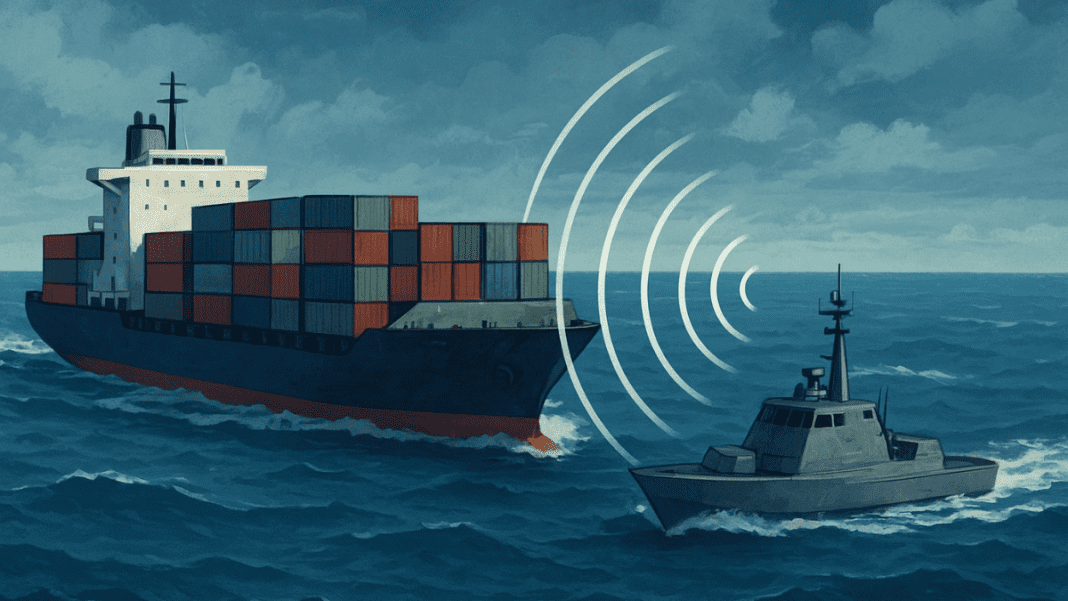

In a high-stakes operation, U.S. special forces last month seized a ship in the Indian Ocean carrying military equipment from China to Iran. The ship was intercepted several hundred kilometers off the coast of Sri Lanka. This operation was part of a broader effort by the Pentagon to prevent Iran from rearming after Israeli and American strikes over the summer.
The ship had been under close surveillance before the interception. Military personnel boarded the vessel, confiscated the cargo, and later destroyed it. Reports indicate that the shipment was intended for Iranian companies involved in missile development. It included both conventional weapons components and “dual-use” materials, which can be used for civilian or military purposes.
Officials said the operation reflects the growing concern over Iran’s military capabilities and the need to prevent the country from acquiring dangerous equipment. This action also highlights the increasing attention the U.S. is giving to maritime security in the region.
After 12-day conflict, Israel fears Iran’s missile factories are running at “unprecedented speed”
Iran’s Crackdown on Fuel Smuggling
At the same time, Iran has been intensifying its crackdown on fuel smuggling. Domestic economic pressures, including heavily subsidized fuel prices and the depreciation of the national currency, have made Iranian fuel highly sought after by neighboring countries. This has led to smuggling by land and sea.
Recently, Iranian authorities reported detaining 18 crew members of a foreign oil tanker seized in the Gulf of Oman. The ship was allegedly carrying six million liters of smuggled fuel from Iran. Officials said the vessel ignored stop orders, tried to flee, and lacked proper documentation for its cargo. The detained crew members reportedly include nationals from India, Sri Lanka, and Bangladesh, though the nationality of the ship was not disclosed.
In another case last month, Iranian forces seized the Talara, a tanker registered in the Marshall Islands. The tanker was carrying 30,000 tons of petrochemicals from the United Arab Emirates to Singapore. Iranian authorities said the cargo was unauthorized. The ship and its 21-member crew were released four days later. These incidents show the scale of fuel smuggling and Iran’s determination to control its exports.
Escalating Maritime Tensions in the Region
These incidents come amid rising maritime tensions involving Iran. The U.S. interception of the China-bound arms shipment followed Israeli and American strikes targeting Iranian military and weapons programs over the summer. By confiscating the shipment, U.S. forces aimed to disrupt Iran’s attempts to strengthen its military capabilities.
Meanwhile, Iran’s crackdown on fuel smuggling reflects the country’s efforts to maintain control over its resources and assert authority over its waters. Recent naval incidents, including seizures of tankers in the Gulf of Oman, demonstrate a growing focus on monitoring and controlling maritime activity in the region.
The U.S. is taking military action, and Iran is enforcing its rules at sea. Both sides are closely monitoring the waters around Iran and the Indian Ocean. The U.S. aims to stop military shipments from reaching Iran. Tehran focuses on preventing fuel smuggling from going unchecked. These developments underline the strategic importance of the region for global shipping, trade, and security.
The situation remains tense as both countries continue operations in international waters, reflecting a complex and sensitive maritime environment. These events highlight the ongoing challenges in the region and the heightened vigilance of both sides in protecting their interests.