
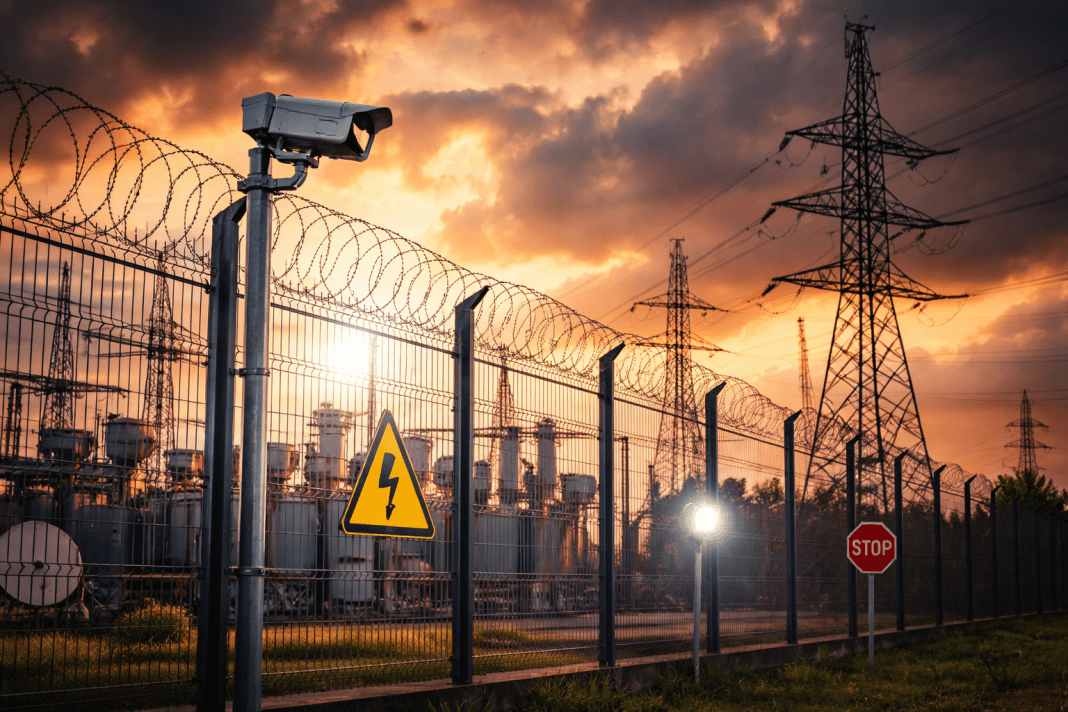

Europe’s electricity sector warns that power systems face growing physical and cyber threats and urges NATO countries to fund their protection as part of national defence, saying attacks on energy networks could quickly disrupt daily life across Europe.
Electricity Infrastructure Now Seen as a Security Target
Europe’s electricity networks include power plants, wind farms, solar parks, transmission lines, substations, control rooms, and digital systems that manage the flow of energy. All of these are essential for daily life. If any part fails, the effects can be immediate and widespread.
Recent attacks on energy systems in conflict zones have shown how damaging such strikes can be. Power outages do not only turn off lights. They stop water supply systems, affect hospitals, disrupt transport, and shut down communication networks. Even short disruptions can cause panic and economic losses.
Poland announces full readiness of Patriot missile systems to strengthen NATO eastern flank
Electricity companies say these risks are no longer theoretical. Cyber attacks on power grids are becoming more advanced. Hackers can target control systems remotely, causing blackouts without firing a single shot. Physical attacks, such as damage to cables or substations, can also take months to repair if spare parts are not available.
Because electricity networks cross borders, an attack in one country can affect many others. This makes energy security a shared European concern rather than a national one. The industry is urging governments to treat electricity infrastructure as critical defence assets that must be protected at all times.
The electricity sector represents thousands of companies involved in power generation, transmission, and supply. Together, they provide energy to homes, schools, factories, and public services. These companies warn that current security measures are not enough to handle today’s threats.
Call to Include Energy Protection in NATO Defence Spending
NATO member states have recently agreed to increase defence spending to a higher share of their national income. Governments divide this spending into two parts. One part funds military equipment and forces, while the other supports related investments such as cybersecurity, resilience, and the protection of critical infrastructure.
The electricity industry is urging governments to clearly include energy infrastructure protection in this second category. This share of defence spending is expected to total hundreds of billions of euros across NATO countries, and power companies say a portion should be directed toward securing electricity systems.
They say this would cover planning for emergencies, protecting digital systems from cyber threats, and strengthening physical security around key energy sites. It would also support faster recovery when damage occurs, helping restore power quickly after an attack or major disruption.
Trump threatens NATO with ultimatum: no unity, no sanctions on Russia
The industry stresses that protecting electricity supply is not separate from defence goals. Modern defence systems depend heavily on reliable power. Military bases, communication networks, and emergency services all rely on electricity to function.
By including energy protection in defence budgets, governments can improve coordination between energy providers, security agencies, and defence institutions. This approach would also help ensure consistent standards across countries, reducing weak points in the system.
Focus on Preparedness, Autonomy, and Secure Power Supply
The electricity industry has identified three key areas that need urgent attention to protect Europe’s power systems. The first is preparedness. This includes planning in advance for physical and cyber attacks, running regular emergency drills, improving coordination between countries, and keeping spare parts and equipment ready. Without proper preparation, even limited damage can lead to long power outages that affect large populations.
The second focus is strengthening strategic autonomy. Europe has learned from past overreliance on external suppliers for energy and equipment. Electricity providers stress the need to build strong and balanced supply chains within Europe for power grid components, renewable energy technology, and digital control systems. More resilient supply chains reduce the risk of shortages during crises and help Europe maintain control over critical technologies while supporting a secure clean energy transition.
NATO warns of war while Washington pulls back, exposing a dangerous strategy gap
The third area is securing a reliable power supply. Energy companies are calling for better overall planning that combines security needs with climate goals and affordability. They also want faster approval processes for new and upgraded energy infrastructure, as delays can slow projects that improve grid stability and safety. Investment in modern grids, energy storage, and secure digital systems is seen as essential.
The industry also notes that clean energy systems can improve security. Renewable energy sources are spread across many locations, making them harder to disable than large traditional power plants. European energy leaders have acknowledged the growing link between energy and security and stressed the need for closer cooperation with NATO to protect critical infrastructure.