

Fresh geopolitical tensions have brought Cuba into focus. This follows remarks by Donald Trump amid US actions linked to Iran. His statement has drawn global attention. Criticism from Marco Rubio has added to the debate. The World Health Organization has also raised concerns. These developments have increased focus on Cuba’s challenges.
Trump’s Remark Sparks Global Attention
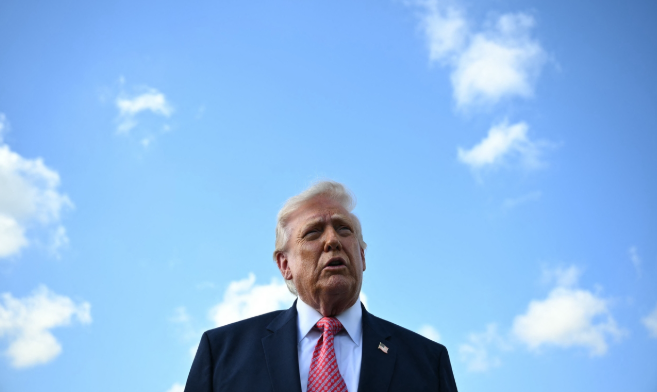
A fresh geopolitical debate has emerged after Donald Trump made a striking remark about Cuba while speaking at the Future Investment Initiative in Washington DC. During a discussion on recent US military actions targeting Iran, Trump said, “Cuba’s next,” a comment that quickly attracted global attention and sparked widespread reactions across international circles and media platforms.
Moments later, he added, “But pretend I didn’t say that,” suggesting the remark may not have been intended as an official policy statement. Despite this clarification, the statement has been widely discussed by political analysts, governments, and media outlets around the world, with many closely examining its possible implications and underlying message.
Mexico’s navy launches a major search for two sailboats carrying humanitarian aid to Cuba
The comment comes at a time of heightened tensions in the Middle East, making even casual statements highly significant. Experts say such remarks can influence how countries interpret US foreign policy, raising questions about whether Washington could shift its strategic focus beyond the region.
Rubio Criticises Cuba’s Economic Model
Alongside Donald Trump’s remarks, Marco Rubio also made strong statements about Cuba’s internal situation. Rubio sharply criticised the country’s economic system, calling it a “disaster” and pointing to ongoing fuel shortages and economic struggles as clear signs of deeper structural problems affecting the nation’s stability and growth.
He stated that these challenges highlight what he described as systemic inefficiencies within Cuba’s economic model. According to Rubio, the system has failed to generate stable and sustainable growth over time, leaving the country unable to consistently meet basic needs. He added that long-standing policy issues have played a major role in shaping the current crisis, making recovery increasingly complex.
Mexico trapped between Trump tariffs and Cuba blackout crisis as oil supplies face cutoff
Rubio also emphasised Cuba’s reliance on external support, especially for oil and fuel supplies. He argued that this dependence has made the country more vulnerable to global disruptions, particularly during periods of uncertainty. In his view, the lack of self-sufficiency has significantly worsened the ongoing economic and energy crisis.
Cuba has faced economic hardship for years, including limited access to resources and ongoing financial strain. Fuel shortages have led to power cuts, transport disruptions, and difficulties in daily life. Rubio’s remarks reflect a broader critical stance within sections of US leadership, adding to continued discussions on US-Cuba relations.
WHO Raises Healthcare Concerns as Aid Arrives
Amid rising political tensions, humanitarian concerns in Cuba have gained increasing global attention. Tedros Adhanom Ghebreyesus, head of the World Health Organization, expressed serious worries about the country’s healthcare system. He emphasised that access to healthcare should not be affected by political conflicts, energy shortages, or economic restrictions, as it directly impacts the well-being of ordinary citizens.
He pointed out that Cuba is currently struggling to maintain essential health services due to frequent power outages and limited fuel supplies. Hospitals and clinics rely heavily on stable electricity to operate life-saving equipment and provide routine care. Ongoing disruptions have made it increasingly difficult for medical staff to treat patients efficiently and respond to emergencies.
Western hemisphere on edge as Trump floats “friendly takeover” of Cuba
At the same time, humanitarian assistance has begun reaching the island. A vessel carrying essential supplies such as food, medicines, solar panels, and bicycles recently arrived in Havana. The mission, called “Nuestra America,” departed from Mexico and is part of a wider international effort involving multiple ships working to support communities facing shortages.
These developments highlight the widening gap between political tensions and humanitarian needs. While global discussions continue at the diplomatic level, people in Cuba are dealing with daily shortages and uncertainty, drawing renewed international focus to the country’s ongoing crisis.