
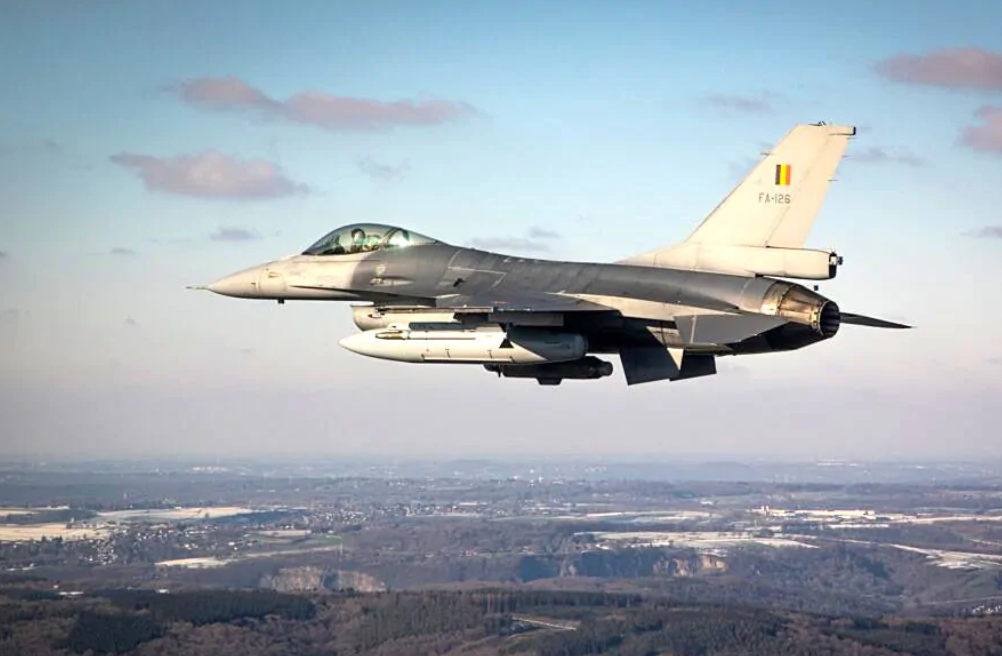

Belgium pledged to supply F-16 fighter jets to Ukraine as part of an international coalition supporting its air defenses. However, nearly three years later, Belgium has not delivered any aircraft. Officials say the commitment still stands, but the delivery timeline has changed several times and the first transfer date remains uncertain.
Belgium’s Role in the International Fighter Jet Coalition
Belgium joined a coalition of countries that agreed to provide F-16 fighter jets to Ukraine to strengthen its air capabilities during the ongoing war. The aircraft are considered important because they are modern multirole fighters capable of air defense, ground attack, and reconnaissance missions. Many defense experts see them as a major upgrade for Ukraine’s air force.
Under the plan, Belgium pledged to supply 30 F 16 fighter jets from its current fleet. The country plans to gradually retire these aircraft as it transitions to a newer generation of fighter jets. Several other coalition members that operate F-16s have also committed to transferring aircraft to Ukraine as part of the joint effort.
Mystery drones swarm top-secret NATO weapons factories in Belgium, Thales raises alarm
Countries involved in the coalition are also training Ukrainian pilots, maintenance crews, and ground staff. This training is necessary so the jets can be used safely and effectively once delivered. F-16 aircraft are widely used by NATO members and are known for their reliability, advanced systems, and versatility.
Delays Linked to Belgium’s Transition to F-35 Fighter Jets
The delay in delivering F 16 fighter jets to Ukraine is mainly linked to Belgium’s military modernization plans. The country is gradually replacing its aging F-16 fleet with newer fifth-generation F-35 fighter jets as part of a long-term upgrade of its air force.
Belgium ordered the advanced F-35 aircraft several years ago. These jets are known for their stealth capabilities, powerful sensors, and modern combat systems. However, deliveries of the new aircraft have been slower than expected, forcing Belgium to keep many of its F-16 jets in service longer than planned.
Belgium Breaks Ranks — F-35s Fly to Italy, Not Texas
Because the new F-35 jets have not arrived on schedule, Belgium still relies heavily on its existing F 16 fleet. These aircraft are needed for national defense and to fulfill the country’s commitments within NATO. As a result, fewer F-16 jets are available for transfer.
Another factor behind the delay involves the payment structure for the F-35 program. Belgium chose to spread out payments over a longer period, which also affected delivery timing. Until enough new jets arrive, some F-16 aircraft will remain active in the Belgian Air Force.
Changing Timelines and Uncertainty Over F-16 Delivery Dates
Over the past few years, several approximate timelines for the transfer of Belgian F-16 fighter jets to Ukraine have been mentioned publicly. These estimates have changed as circumstances evolved. Earlier announcements suggested that the first aircraft could arrive around 2025, while at other times more optimistic expectations pointed to earlier deliveries.
However, no fixed delivery date was officially guaranteed. Officials have repeatedly said that the timeline depends on several factors, including aircraft availability and operational needs within Belgium’s own air force.
Belgium also plans to gradually retire its entire F 16 fleet by the end of 2028. Until that transition is complete, the aircraft remain an important part of the country’s defense structure and NATO commitments.
Belgium’s billion-euro F-35 jet deal raises stakes in NATO’s air power race
There have also been reports that Ukraine requested a delay in receiving some jets due to a shortage of trained pilots. Operating advanced fighter aircraft requires extensive training for pilots, maintenance crews, and ground personnel.
Training programs are currently underway in several countries to prepare Ukrainian teams to operate and maintain F 16 jets. Despite Belgium’s pledge to provide 30 aircraft, Ukraine has not yet received any F-16 fighter jets from Belgium so far.