
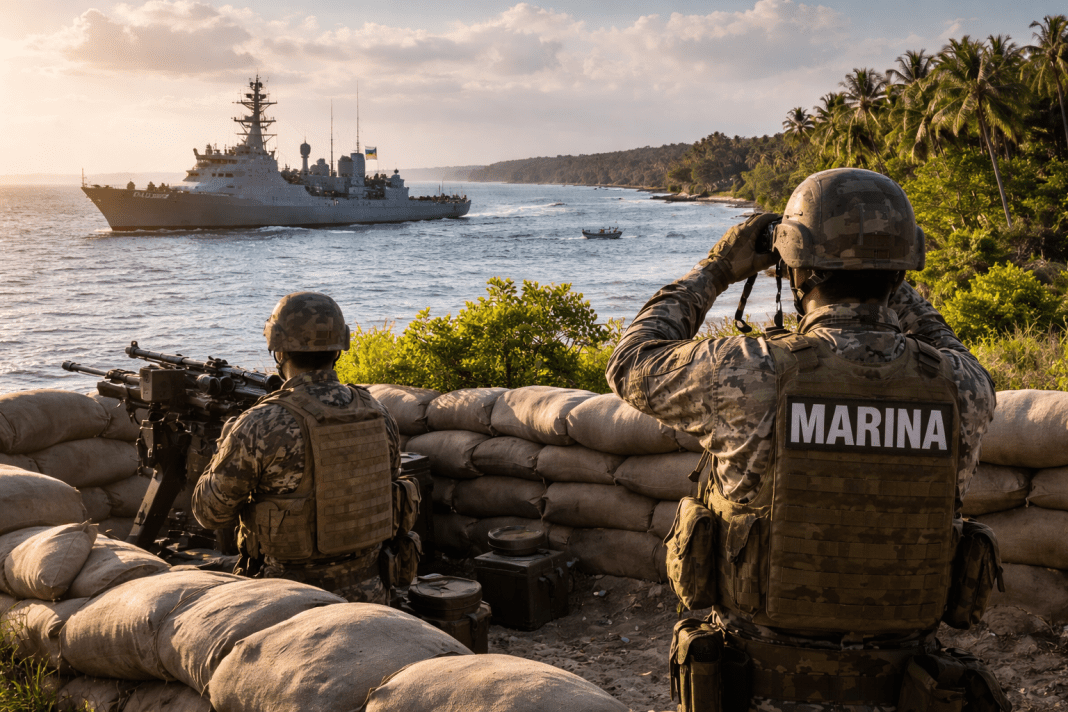

Mexico is taking urgent steps to strengthen its defenses following a major military action by the United States in Venezuela. The sudden move has created tension across Latin America, with governments watching closely how Mexico responds. For months, Mexican leaders have worked behind the scenes to maintain peaceful relations, while also protecting their borders and national security.
Diplomatic Moves and Agreements Amid Latin America Tension
Mexico’s government has spent many months negotiating with the United States to manage the rising tensions in Latin America. Officials have issued public statements, signed diplomatic agreements, and appealed to international groups to prevent conflict and avoid violence. One significant effort was formally asking the United Nations to mediate and help prevent bloodshed in Venezuela.
Despite these diplomatic efforts, when the U.S. military moved against Venezuela and captured its president, the situation changed dramatically. This sudden action shocked leaders across Latin America and sparked concern in Mexico that it could become the next target of U.S. pressure. Mexican leaders have stressed the importance of communication and collaboration with Washington while insisting on respect for international law and national sovereignty.
In recent months, Mexico also reached a security agreement with the United States to address drug-smuggling boats. The Mexican Navy is responsible for intercepting suspicious vessels near its waters under that deal. Even with this agreement, U.S. forces continue attacking at sea, showing how the situation strains cooperation and raises worries across Latin America about uncontrolled military force.
Mexico has repeatedly emphasized that foreign powers should not interfere in Latin America, and that countries must handle disputes through peaceful negotiation rather than force. Many governments across the region share this message.
Security Measures on the Ground
As tensions rise, Mexico is reinforcing its security systems at home. The government has increased arrests of drug cartel members and strengthened border patrols. Mexican leaders have also arranged to transfer high-profile cartel figures to U.S. prisons, showing their commitment to battling organized crime.
The United States has labeled Mexican drug cartels as terrorist organizations and declared fentanyl a “weapon of mass destruction.” These designations have contributed to fears that U.S. military action could one day extend into Mexican territory. Mexico is taking practical steps — such as increasing surveillance and strengthening law enforcement — to prepare for any possible threats.
Trump warns of possible Mexico strikes as US reviews options to curb cartel violence
Mexico shares one of the world’s longest borders with the United States, and the two countries have deep economic and cultural ties. This close connection makes security and defense particularly sensitive for Mexico, especially as tensions spread throughout Latin America. Officials are trying to find a balance between cooperating with the United States on drug trafficking issues and protecting Mexico’s independence and sovereignty.
Mexico’s leaders continue to stress that foreign military action within Latin America should not be allowed, and that all disputes must respect international rules and the rightful authorities of sovereign nations.
Regional Pressure and International Response
The recent U.S. attacks and the capture of Venezuela’s leader have affected the whole Latin America region. Governments from across the Caribbean and South America have expressed deep concern, calling for peace and urging respect for national borders and international law. Joint statements from several countries condemned the military action as a serious violation of sovereignty and stressed that peace should be maintained throughout Latin America.
Mexico has also offered to host diplomatic talks between the United States and Venezuela. This offer shows a willingness to pursue peaceful solutions and restore calm across Latin America. So far, those meetings have not taken place, yet the gesture reflects Mexico’s determination to act as a partner for peace.
Cartel warfare fears rise after Parral killings — Mexico unleashes special operations troops
At the same time, the pressure from Washington is real. Mexican leaders face a delicate challenge: managing relations with a powerful neighbor while defending the country from possible military and economic threats. Officials are using careful diplomacy, emphasizing international law, and strengthening strategic security measures to navigate this complex situation affecting all of Latin America.
With each step, Mexico aims to protect its citizens, support regional stability, and show that the country — and the wider region of Latin America — will not be caught off guard by foreign military actions. In the wake of the U.S. intervention in Venezuela, Mexico has made it clear that defending national sovereignty remains a top priority.