
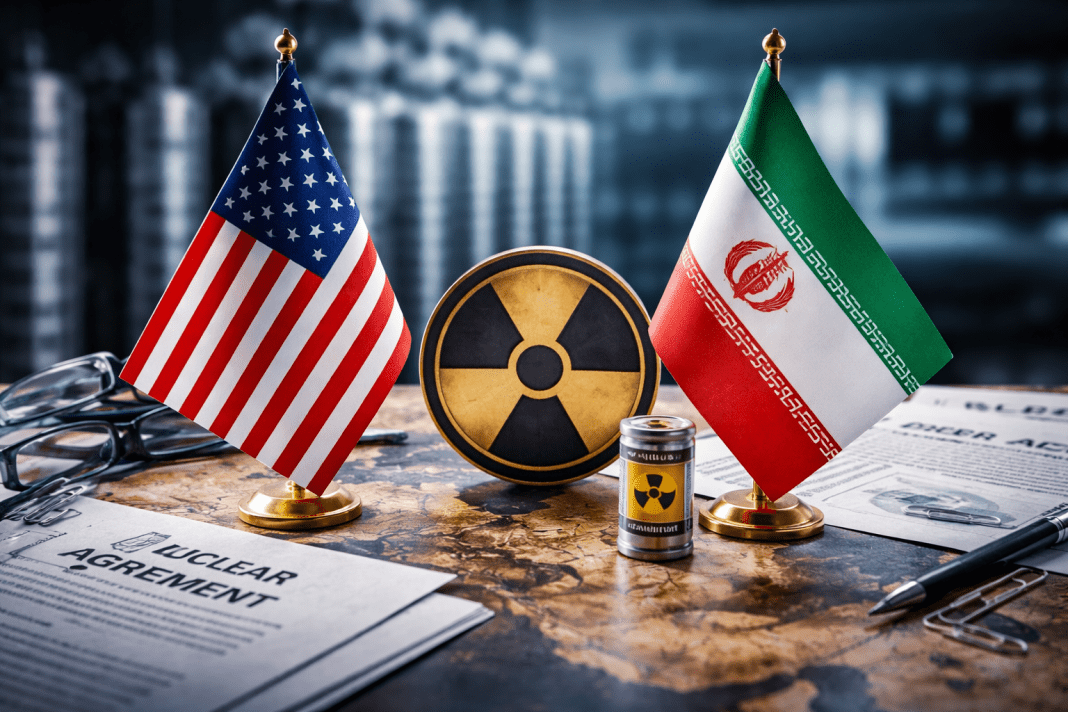

Fresh talks between the United States and Iran have once again highlighted deep divisions over Tehran’s nuclear programme. While both sides are open to a temporary pause, they sharply disagree on its length, with Washington pushing for a 20-year suspension and Iran offering only five years. The gap underscores ongoing tensions and the challenge of reaching a lasting agreement.
Talks End Without Agreement After Long Discussions
Talks between the United States and Iran in Islamabad ended without any final agreement after nearly 21 hours of discussions. Both sides spent long hours trying to find common ground, but major differences remained, especially on how long Iran should pause its nuclear activities.
Officials said the main issue was the duration of the suspension. The United States wants Iran to stop its nuclear programme for 20 years. Iran, however, is only willing to agree to a pause of up to five years. This large gap made it difficult for both sides to reach a deal.
The West Asia ceasefire remains in place as 21 hour talks in Islamabad end without a deal
During the talks, both countries exchanged ideas and proposals. These focused on limiting Iran’s nuclear work for a fixed period instead of ending it permanently. Despite the effort, the two sides stayed far apart in their positions.
Even though no agreement was reached, officials said the discussions were still important. They showed that both countries are willing to keep talking. Another round of talks is being considered, but no date has been decided yet.
Key Disagreement Over Nuclear Activity Timeline
The biggest disagreement is about how long Iran should stop its nuclear activity. The United States believes a longer pause is necessary to reduce risks. It has suggested a 20-year suspension as a middle option instead of a permanent ban.
This approach would allow Iran to say it has not fully given up its right to produce nuclear fuel. At the same time, it would give the United States more time to monitor and verify that Iran is not developing nuclear weapons.
Iran, on the other hand, has repeated its position that a shorter pause is enough. It has offered to limit its nuclear programme for up to five years. Iran says it has the right to continue nuclear work under international rules, especially for peaceful purposes like energy.
No deal on Iran talks: Trump moves on the Strait of Hormuz as oil hits $100
Iran has also resisted demands to dismantle its nuclear facilities or send its enriched uranium to other countries. These points have been major sticking areas in past negotiations as well.
The difference between a 5-year and a 20-year pause is not small. It reflects deeper mistrust between the two sides. While one side wants long-term guarantees, the other wants to protect its independence and rights.
Rising Tensions Add Pressure to Negotiations
The talks took place at a time of rising tensions in the region. The United States has started blocking Iranian ports as part of efforts to increase pressure. This move aims to limit Iran’s oil exports, which are a key source of income for the country.
In response, Iran has warned that it may take action if its ports are targeted. It has said that no port would be safe if such measures continue. This warning has raised concerns about possible escalation.
The situation has also affected global trade routes. Shipping in the Strait of Hormuz has been disrupted. This route is very important because a large portion of the world’s oil passes through it. Any disruption can impact fuel prices and supply chains across the world.
The nuclear issue remains a major concern for the United States. It wants strict checks to ensure that Iran cannot develop nuclear weapons. This includes monitoring systems and control over enriched uranium.
Iran, however, continues to stress that its nuclear programme is for peaceful purposes. It has said it does not want to give up its programme completely. This difference in views has made negotiations difficult.
While both sides remain far apart, the fact that they are discussing timelines shows some level of progress. Officials say further talks may happen soon, as both countries continue to explore possible solutions.