
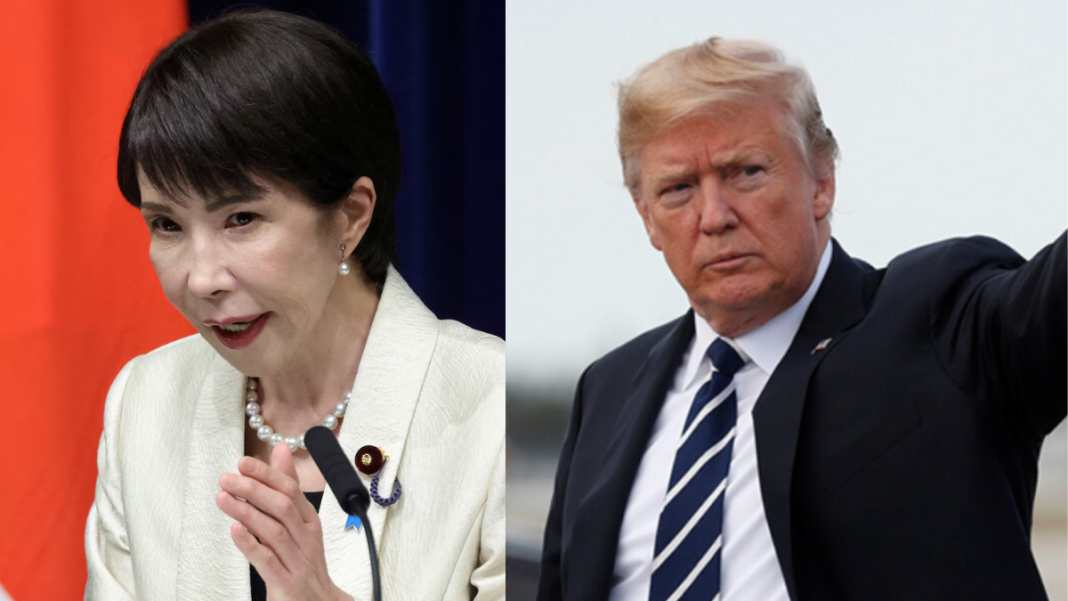

Tensions between the United States and Japan have come into focus as global uncertainty rises due to the ongoing conflict involving Iran. A high-level meeting between Donald Trump and Sanae Takaichi highlighted both cooperation and visible discomfort, especially as expectations around support in the conflict continue to grow.
The situation is especially sensitive because Japan faces legal and public limits on joining armed conflicts. At the same time, global energy markets are under pressure, and disruptions in key regions are affecting economies worldwide. This combination has made the relationship between the two countries more complex during an already tense period.
During the meeting, the United States emphasized that allies must contribute more actively to manage the effects of the conflict. It called for stronger efforts to ensure security in key regions and to stabilize global energy supplies. Sanae Takaichi acknowledged the importance of the alliance but made it clear that Japan’s constitution limits its actions.
Japan’s laws restrict its direct involvement in military conflicts, making it difficult for the country to send forces or take part in combat operations. These limits create a gap between expectations and what Japan can legally do. At the same time, Japan relies heavily on oil imports, with a large share coming from the Middle East.
Japan confirms plans to deploy missiles on Yonaguni Island near Taiwan
One of the most critical areas discussed was the Strait of Hormuz. This narrow route is essential for global oil transport. Any disruption here can affect fuel prices and supply chains across the world. Japan’s reliance on this route makes the situation even more urgent for its economy.
Despite these challenges, Japan showed willingness to cooperate in other ways. These include increasing energy imports, supporting security efforts within legal limits, and working closely with its ally on strategic issues.
Pearl Harbor Remark Triggers Diplomatic Discomfort
A key moment during the meeting drew widespread attention and added to the tension. A remark referencing the Pearl Harbor attack by Donald Trump created an awkward situation in front of reporters.
The reference brought back memories of a major event from World War II, when a surprise attack changed the course of history. Even today, it remains a sensitive topic for both nations.
A reporter asked why the US did not inform allies in advance of military actions, prompting the comment. Although intended lightly, others did not receive it that way. Observers noted visible discomfort during the exchange involving Sanae Takaichi.
Officials later clarified that this topic did not come up during private discussions. However, the public nature of the remark highlighted the importance of careful communication, especially between close allies dealing with serious global issues.
Such incidents can influence how countries view each other. They also affect public perception and can shape the tone of future diplomatic engagements.
Energy Deals and Regional Security Challenges
Beyond the controversy, the meeting between Donald Trump and Sanae Takaichi focused on strengthening economic and security ties. Both countries discussed major investments in energy projects, including oil, gas, and advanced nuclear technologies. These efforts are aimed at stabilizing supply and reducing risks linked to global disruptions.
Japan is looking to increase energy imports from the United States as a way to reduce dependence on uncertain regions. Several large projects are being planned to support this shift, including infrastructure for gas and energy production.
Security cooperation also remains a key part of the relationship. Joint efforts in defense technology and missile systems were discussed as part of broader plans to maintain regional stability.
The role of China continues to be an important factor in these discussions. Rising tensions in East Asia, especially around Taiwan, have added to the urgency of maintaining strong alliances.
Japan relies on support from the United States under a long-standing security agreement. This partnership is seen as essential in maintaining balance in the region and addressing potential threats.
Trump says Israel won’t strike Iran gas field again, distances US and Qatar from attack
At the same time, Japan must manage domestic concerns. Public opinion remains cautious about involvement in overseas conflicts, and rising energy prices are already affecting daily life. Increased fuel costs can impact transportation, electricity, and basic goods, making economic stability a key priority.
The discussions also included large-scale investments aimed at strengthening economic ties. These projects focus on energy, manufacturing, and technology, helping both countries build a more secure and stable partnership during uncertain times.