
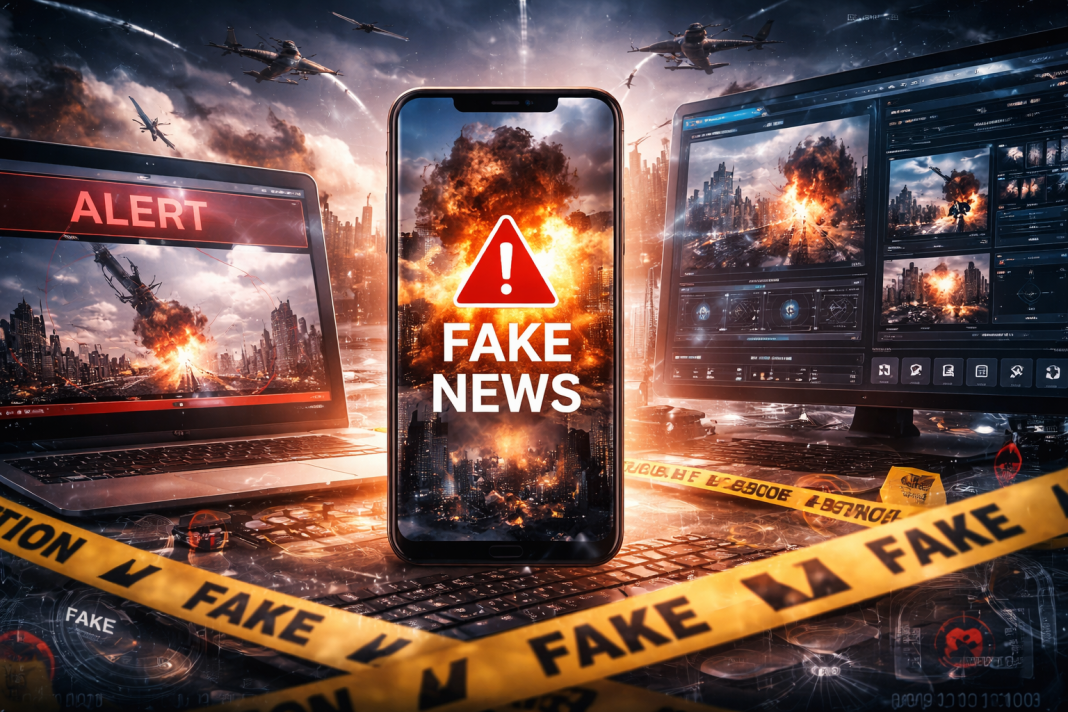

UAE authorities have arrested 19 individuals, including several Indian nationals, for allegedly spreading false content during a time of regional tension. Officials said the group aimed to create fear and panic and operated as a coordinated network divided into three parts, each responsible for producing and sharing misleading narratives about missile attacks and conflict, including the use of deepfake content.
Deepfake-Driven Coordinated Disinformation Network Exposed
Officials said the investigation uncovered a well-organized network operating across social media platforms. The group aimed to create the false impression that the UAE was under massive attack, even when such events had not actually occurred in the way they were being portrayed through deepfake and manipulated media.
The first group used real video footage of missiles being intercepted by air defense systems. However, they edited these clips heavily by adding dramatic sound effects and misleading commentary. This made it appear as if the defense systems had failed and missiles were striking populated areas. Authorities warned that such manipulation, along with emerging deepfake tactics, not only spread panic but also risked exposing sensitive defense locations and capabilities.
Donald Trump warns Iran positioned 1,200 missiles targeting UAE, Qatar, Oman and Saudi Arabia
The second group used artificial intelligence to create completely fake visuals. These included realistic-looking videos and images of explosions, drone strikes, and destruction across well-known UAE locations. These deepfake visuals were designed to mislead viewers into believing the attacks were real.
To make the deepfake content more believable, they added flags, timestamps, and other details that made the visuals appear authentic.
The third group focused on propaganda. Instead of creating fake attacks, they shared content praising military actions by a hostile foreign power. Investigators said this content, combined with deepfake narratives, promoted harmful messaging and portrayed regional strikes as successful and heroic, potentially undermining national stability.
Digital Manipulation During a Time of Crisis
The timing of these actions has raised serious concerns. The UAE is currently dealing with increased regional instability, including real threats involving drones and missiles. There have been reports of incidents affecting infrastructure, such as disruptions at major transport hubs and fires linked to security threats.
In such a sensitive environment, misinformation can have severe consequences. False reports of attacks can cause panic among residents. The spread of deepfake videos can further amplify fear and confusion among the public.
They can also impact businesses, tourism, and the confidence of investors. For a country that relies heavily on international trade and expatriate workers, maintaining stability is critical.
Saudi Arabia bombs UAE-linked arms shipments in Yemen as southern separatist crisis intensifies
Officials believe the spread of fake content could have triggered unnecessary fear and even led people to make rushed decisions, such as leaving the country or avoiding public places. The psychological impact of such misinformation is considered a serious threat.
Authorities have made it clear that digital platforms are now a major battleground during conflicts. The spread of false information, especially deepfake content, is no longer seen as harmless online activity. Instead, it is treated as a direct risk to national security.
Strict Laws and Serious Consequences
Officials said the investigation uncovered a well-organized network operating across social media platforms. The group aimed to create the false impression that the UAE was under massive attack, even when such events had not actually occurred in the way they were being portrayed.
The first group used real video footage of missiles being intercepted by air defense systems. However, they edited these clips heavily by adding dramatic sound effects and misleading commentary. This made it appear as if the defense systems had failed and missiles were striking populated areas. Authorities warned that such manipulation not only spread panic but also risked exposing sensitive defense locations and capabilities.
The second group used artificial intelligence to create completely fake visuals. These included realistic-looking videos and images of explosions, drone strikes, and destruction across well-known UAE locations. To make the content more believable, they added flags, timestamps, and other details that made the visuals appear authentic.
The third group focused on propaganda. Instead of creating fake attacks, they shared content praising military actions by a hostile foreign power. Investigators said this content promoted harmful narratives and portrayed regional strikes as successful and heroic, potentially undermining national stability.