
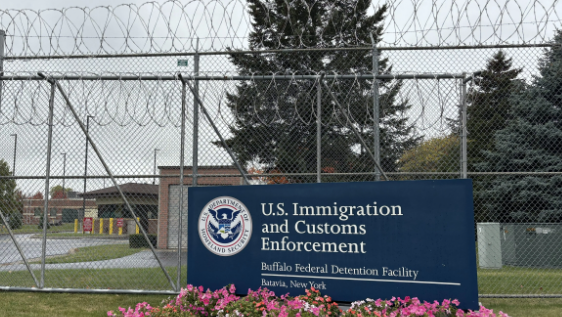

Serious medical and mental health emergencies are common at the U.S.’s largest ICE detention facility in El Paso, Texas. The camp houses roughly 3,000 detainees every day. Living conditions are overcrowded, noisy, and unsanitary. Many detainees struggle to access medical care and adequate food. They also fear staff using force. Some former residents say life there is far worse than a prison.
Daily Emergencies and Overcrowding
Data from over 130 emergency 911 calls in the first five months of the camp’s operation shows that almost one call was made each day. These calls often involved life-threatening situations, including injuries, illnesses, and mental health crises.
One 911 call captured a detainee sobbing after being attacked by another person. During another incident, a doctor reported a man repeatedly hitting his head against a wall while expressing suicidal thoughts. A nurse also called for emergency help when a pregnant woman experienced severe pain and showed signs of COVID-19.
The types of emergencies varied widely. Some involved young adults who had fallen from bunk beds, while others involved older men struggling to breathe. At least twenty calls reported seizures, some of which led to serious head injuries.
The facility’s overcrowded conditions contribute heavily to these emergencies. With about 3,000 people packed into a single facility, the loud, cramped, and unsanitary environment increases stress, illness, and risk of accidents.
Suicides and Mental Health Crises in Detention Centre
Records from the emergency 911 calls paint a troubling picture of serious mental health struggles inside the detention camp. During the period covered by the records, at least eight incidents of self‑harm or suicide attempts were reported. Among these, two cases resulted in death, highlighting how severe and frequent these crises have been.
In one of the deadliest reported incidents, a detainee who had attempted to harm himself was restrained by staff using handcuffs and force. After this response, he died. In another tragic case, a man who had only recently arrived at the camp took his own life just days into his detention. These deaths stand out in the records but are not the only signs of deep mental distress.
‘ICE out’ pins and fiery speeches transform Grammy Awards into protest stage
In addition to the fatal cases, several other suicide attempts were logged through 911 calls, including people expressing clear thoughts of harming themselves. These repeated episodes show that mental health issues are not isolated events but an ongoing concern within the facility.
Officials from ICE say that the camp closely watches individuals considered at risk and that mental health support is provided. Still, the steady stream of self‑harm incidents raises serious questions about whether the current measures are sufficient to keep vulnerable people safe.
Food, Health, and Congressional Concerns
Detainees have also reported poor nutrition and inconsistent food supplies. One detainee showed a visitor a serving of scrambled eggs that was still frozen in the middle. Many detainees have protested the lack of juice, fruit, and milk with their meals, describing mealtimes as insufficient and unsatisfying.
Access to medical care is another concern. Even as injuries and illnesses spread throughout the camp, detainees report difficulty getting timely treatment.
Lawmakers who have toured the facility describe conditions as dangerous and inhumane. They highlight overcrowding, under-staffing, and low-quality meals. Concerns have also been raised about the contractor managing the camp, which received a multibillion-dollar contract to build and operate the facility. Lawmakers are calling for investigations into whether taxpayer money is being properly used and whether detainees are receiving the services promised.
Late-night protests rock Minneapolis hotels as activists target ICE stays with music and noise
At least one required inspection report, which reportedly found that the facility violated dozens of federal detention standards, has not been made public. ICE officials maintain that inspections take place and that staff monitor conditions, but specific details about the results remain limited.
The records, calls, and testimonies reveal a troubling and ongoing crisis at one of the nation’s largest immigration detention facilities, raising questions about health, safety, and the treatment of detainees.