
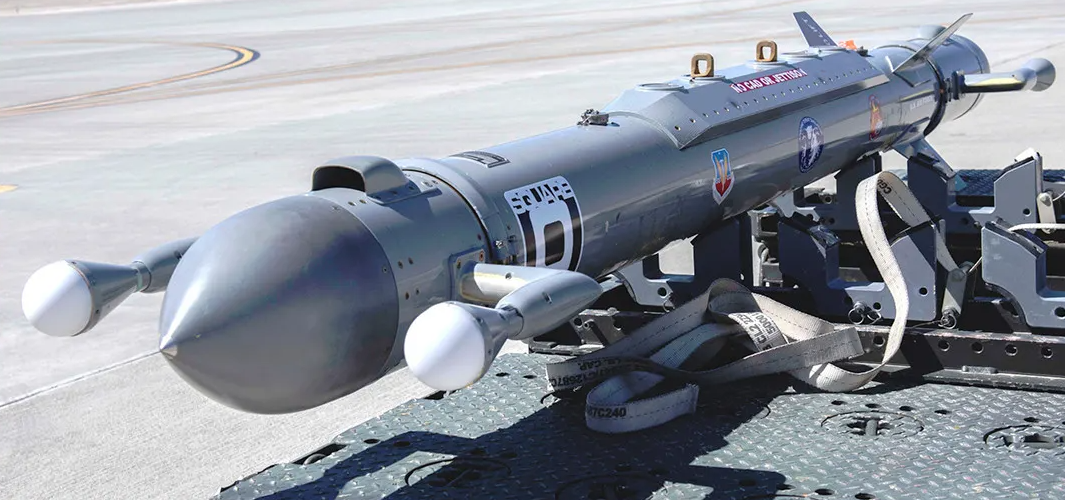

F-16CJ Viper jets from the United States Air National Guard were deployed toward the Middle East. During the deployment, the aircraft carried the advanced “Angry Kitten” electronic warfare system designed to counter modern air defenses. Notably, the jets belong to the South Carolina Air National Guard’s 169th Fighter Wing. Along the way, they made a scheduled stop in the Azores during the journey. Meanwhile, analysts link the deployment to broader U.S. military repositioning amid tensions involving Iran.
Deployment Details and Mission Capabilities of F-16CJ
The deployed aircraft are Block 52 F-16CJ Vipers, a version of the well-known fighter jet built specifically for Suppression of Enemy Air Defenses, often called SEAD missions. These missions focus on locating and disabling radar systems, missile batteries, and anti-aircraft defenses that threaten aircraft.
Unlike standard fighter missions that focus mainly on air-to-air combat, SEAD operations are highly technical. Pilots must identify enemy radar signals while flying at high speed and often in contested airspace. The F-16CJ was designed to handle these challenges by combining speed, maneuverability, and advanced electronic sensors.
Most U.S. bases in the Middle East are within Iran’s missile range, Pentagon officials quietly warn
Reports indicate that twelve aircraft participated in the trans-Atlantic movement. While the jets carried AIM-120 Advanced Medium Range Air-to-Air Missiles, these were inert versions configured for training and operational readiness rather than immediate combat use.
Each aircraft was fitted with several specialized systems:
- AN/ASQ-213 HARM Targeting System, used to detect and track radar emissions.
- LITENING targeting pod, which helps pilots identify ground targets with precision sensors.
- Angry Kitten electronic warfare pod, the newest addition aimed at countering advanced air defenses.
Together, these systems allow pilots to monitor threats, jam hostile signals, and coordinate attacks on radar installations if necessary.
The F-16CJ’s role is sometimes described as clearing a safe path through defended airspace. By disrupting enemy sensors, these aircraft help other planes operate with reduced risk.
Understanding the Angry Kitten Electronic Warfare System
The Angry Kitten pod represents a major shift in electronic warfare technology used in modern air operations. Earlier electronic pods were mainly designed for training exercises, helping pilots practice against simulated threats. Over time, engineers upgraded the system so it could support real operational missions.
The technology evolved from the older AN/ALQ-167 training pod, with development beginning in the early 2010s. The goal was to create a flexible electronic warfare platform capable of adapting quickly to different and changing threats in combat environments.
Middle East on edge as embassies close, citizens flee, and US military surges into region
Electronic warfare works through radio signals rather than physical weapons. Air-defense systems rely on radar waves to detect aircraft, and the Angry Kitten pod can disrupt or confuse these signals. It can also imitate electronic signatures, making it harder for enemy systems to accurately track aircraft.
Flight testing on F-16 aircraft began in 2017, and the system has since expanded to platforms including A-10 aircraft, MQ-9 Reaper drones, and HC-130J rescue aircraft. The pod works alongside traditional weapons by reducing the chances of aircraft being detected or targeted.
Strategic Context and Electronic Warfare in Modern Operations
Modern conflicts increasingly involve advanced air-defense networks made up of radar systems, missile launchers, and digitally connected command centers. These systems can track aircraft over long distances, making air operations more challenging even for modern fighter jets.
Electronic warfare systems like the Angry Kitten pod are designed to counter these threats by targeting the information systems behind air defenses rather than destroying equipment directly. By disrupting radar and communication signals, these systems can reduce the effectiveness of missile defenses without physical strikes.
U.S. approves $15.6 billion arms sales to Saudi Arabia and Israel amid Middle East tensions
The recent deployment highlights the growing importance of electronic capabilities in military planning. Modern air operations depend heavily on controlling the electromagnetic spectrum, where radar detection, communication signals, and electronic tracking take place. Complex defense networks with layered radar coverage and mobile missile platforms require aircraft that can quickly detect threats and respond electronically.
F-16CJ aircraft assigned to suppression of enemy air defenses missions are often among the first to enter contested airspace. Their specialized equipment allows them to locate and neutralize radar threats, improving operational safety. While diplomatic discussions continue alongside military preparations, the deployment demonstrates operational readiness and reflects how electronic warfare and signal dominance have become central to modern aerial missions.