
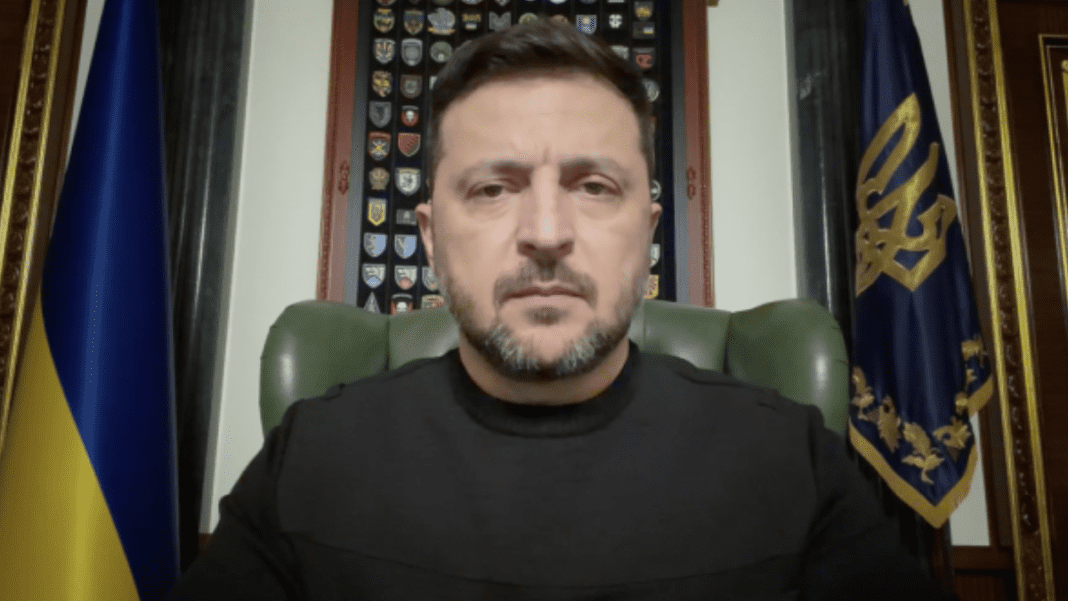

Ukraine is facing a major shift in Russian attacks, President Zelensky said. After a night with almost no strikes on energy facilities, Moscow focused on transport, logistics hubs, and frontline areas. Rail systems, mobile power units, warehouses, and other infrastructure are under attack. These strikes disrupt daily life and slow essential services.
Zelensky confirmed that Ukraine is responding reciprocally. The country is mirroring the temporary pause on attacks against Russian energy sites agreed with the United States. While power stations were mostly spared, Russian forces hit key targets. They struck a mobile power-generating railcar in Dnipropetrovsk and a warehouse in Kharkiv belonging to Philip Morris, which caught fire. Drone attacks and aerial bombings also hit Nikopol, Kherson, Donetsk, Kharkiv, Sumy, and Chernihiv, showing the widespread nature of the conflict.
Logistics and Rail Systems Under Pressure
The latest shift in Russian attacks demonstrates the strategic importance of Ukraine’s logistics and transport systems. The special power railcar damaged in Dnipropetrovsk provides electricity in emergency situations and is crucial for maintaining connections between regions. Its destruction complicates both transportation and rescue operations, creating additional challenges for local authorities and residents.
In Kharkiv, the ballistic strike on warehouses owned by Philip Morris destroyed stored goods, which are vital for supply chains that distribute food, medicine, and other essentials. The loss of such facilities can slow relief efforts and disrupt normal life for civilians already affected by months of conflict.
Orbán tells Volodymyr Zelensky Hungary will send “not a single penny” for war
Drone and aerial attacks continued throughout frontline and border regions, including Nikopol, Kherson, Donetsk, Kharkiv, Sumy, and Chernihiv. These attacks, combined with strikes on transport infrastructure, illustrate a tactical shift: Russian forces are now aiming to disrupt the country’s ability to move goods, provide services, and maintain operational readiness, rather than focusing solely on energy facilities.
This change in strategy shows that even a temporary pause in energy attacks does not mean calm. Ukrainians continue to face daily risks from missiles, drones, and aerial bombings, while authorities work to maintain critical connections and protect civilians.
Zelensky Confirms Reciprocal Restraint and International Cooperation
Ukraine has chosen to respond carefully by refraining from striking Russian energy infrastructure. President Zelensky emphasized that this approach is conditional and depends on continued cooperation from international partners. Coordination with allies, especially the United States, remains central to monitoring compliance and protecting essential infrastructure.
Rustem Umerov plays a key role in maintaining communication with international partners, coordinating meetings and agreements that address security and logistics challenges. Meanwhile, Oleh Ivashchenko, head of Ukraine’s military intelligence, provided a detailed briefing to President Zelensky on ongoing Russian military preparations. According to intelligence reports, Russia is continuing assaults at the current level and has not indicated plans to reduce operations.
Ukraine is also actively sharing information with international partners regarding attempts by Russia to bypass sanctions and cooperate with certain foreign entities. These updates aim to maintain global awareness and reinforce economic measures that could pressure Russia to adjust its actions.
Air Defense and Civilian Protections
Alongside defensive operations, Ukraine is expanding air defense capabilities, particularly small systems designed to counter drones. Shahed drones and other unmanned aerial attacks remain a frequent threat in southern cities and border regions. President Zelensky stressed that protecting civilians and reducing damage requires quick deployment and effective coordination of these defense measures.
Authorities are supporting citizens affected by infrastructure damage. President Zelensky instructed the government and Prime Minister to ensure residents do not pay for services they did not receive. Utility companies must recalculate bills fairly and promptly, giving relief to families already facing hardships.
In addition, Ukraine is cooperating with neighboring countries to ensure stable energy supply and stronger energy security. This cooperation includes shared resources, technical assistance, and coordinated planning, which are essential for maintaining services in a war-affected environment.
Reports from all regions continue to highlight attacks, damage, and response measures. The shift from energy infrastructure to transport, logistics, and civilian areas illustrates the evolving nature of the conflict. Despite these challenges, authorities are actively coordinating defense, maintaining essential services, and engaging with international partners to address immediate threats.
The new pattern of attacks underscores the ongoing risks faced by Ukraine’s population. Railways, warehouses, and frontline regions are now central to conflict dynamics, requiring constant vigilance and a rapid response from authorities. While energy facilities may temporarily be spared, the safety and operational capacity of communities depend on protecting logistics networks and critical infrastructure.