
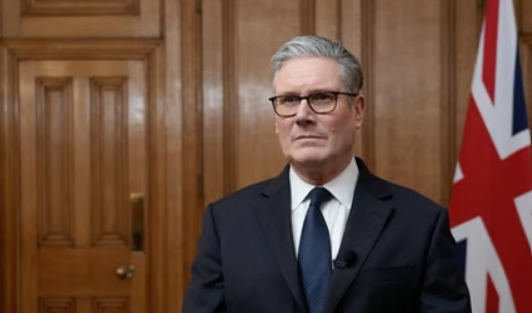

UK Prime Minister Keir Starmer has strongly criticized US President Donald Trump for his recent remarks about NATO troops during the war in Afghanistan. Starmer described Trump’s comments as “insulting and appalling” to British soldiers and their families.
Starmer Calls Trump’s Remarks Insulting and Appalling
The Prime Minister paid tribute to the 457 British service members who lost their lives in Afghanistan. He also emphasized the courage of all soldiers who served in the long conflict. He acknowledged the thousands of troops who returned home with injuries, some of which were life-changing.
“Let me begin by paying tribute to the 457 members of our armed forces who lost their lives in Afghanistan,” Starmer told reporters in London. “I will never forget their courage, their bravery, and the sacrifice they made for their country. I consider US President Donald Trump’s remarks to be insulting and, frankly, appalling.”
British veterans push back as Trump questions NATO’s front-line role in Afghanistan
Starmer also highlighted the emotional impact of Trump’s comments. He said they caused pain for the families of fallen soldiers and for people across the UK. The Prime Minister’s remarks reflect growing concern in Europe. Many see Trump’s comments as disrespectful toward NATO allies and the sacrifices made by allied soldiers.
Trump Questions NATO’s Role in Afghanistan
Earlier this week, Trump spoke to Fox News and questioned the role of NATO in the Afghanistan war. He suggested that allied forces “stayed a little back, a little off the front lines,” implying that NATO troops avoided direct combat while the United States led most of the fighting.
Trump also expressed doubts about the overall value of NATO, saying the US had “never needed” its partners in past conflicts. These statements triggered strong criticism from European leaders, military veterans, and defense analysts. Many pointed out that hundreds of NATO soldiers were killed while fighting alongside American forces over nearly twenty years.
Trump criticises UK over Chagos deal and says move supports case for US role in Greenland
European officials and veterans called Trump’s claims both inaccurate and deeply disrespectful. Families of fallen soldiers expressed their disappointment and anger, emphasizing that NATO troops risked their lives and, in many cases, made the ultimate sacrifice to support the mission in Afghanistan.
The remarks have also drawn attention to the broader role of NATO in global security. Many European politicians warned that undermining the alliance’s contribution could affect future cooperation and trust between the US and its allies.
European Backlash and Rising Tensions
Trump’s comments have further strained relations between the United States and Europe. European politicians said the remarks could weaken confidence in NATO. This comes at a time when unity is considered crucial for international security.
The backlash comes amid existing tensions between the US and European nations. Trump’s recent interest in acquiring Greenland angered European leaders. It also raised questions about the US approach to transatlantic partnerships and diplomacy.
In response, the European Union has paused ongoing trade negotiations with the United States. EU officials warned that unilateral statements and actions from the US could destabilize transatlantic relations. They said such actions might also undermine long-standing agreements within NATO.
As the debate continues, Starmer’s public condemnation of Trump shows that the UK intends to defend the honor of its armed forces. His statements emphasize the importance of acknowledging the courage and sacrifices of NATO soldiers. They also serve as a call for accountability in international discussions.
The controversy has sparked discussions among political observers about NATO alliances. Experts are considering how these alliances are perceived internationally. They also note the impact of public comments by world leaders on diplomatic relations. While Trump’s remarks may have been intended to critique NATO’s role, they have caused pain for families and allies. This highlights how sensitive it is to discuss military conflicts and international partnerships.