
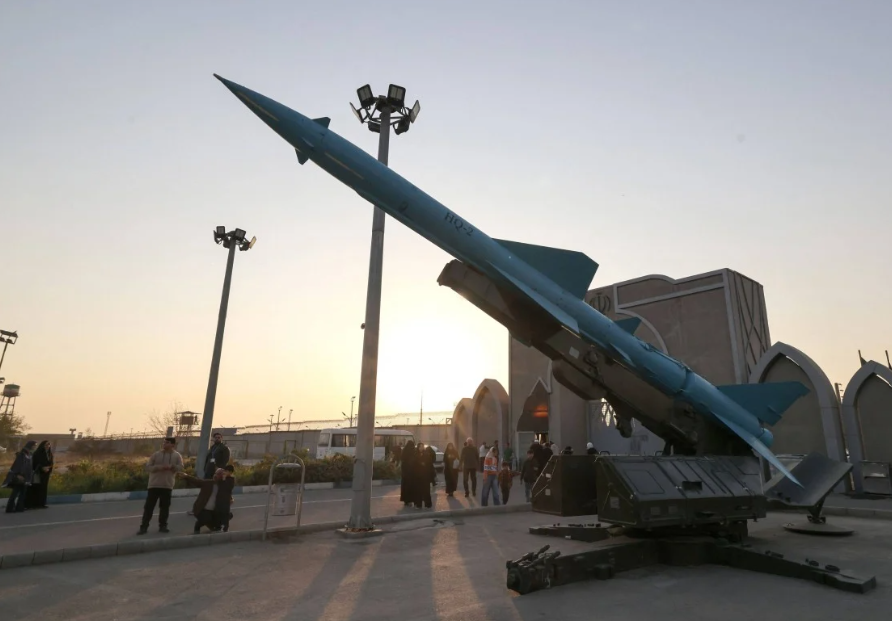

In a shocking development that has captured global attention, reports indicate that China may have delivered a massive shipment of military equipment to Iran, significantly heightening tensions in the Middle East. Over the past three days, 16 large military cargo planes reportedly flew into Iran, carrying what experts believe could include missiles, drones, and other advanced weapons. This rapid military airlift is raising urgent questions about whether Beijing is preparing Iran for a potential confrontation with the United States.
Flight tracking sources have reported the movements, although the information remains unverified. If confirmed, this would represent the largest and fastest Chinese military airlift to Iran in history, surpassing years of smaller, incremental deliveries. Neither China nor Iran has officially commented on the airlift, leaving analysts and global officials speculating about the cargo contents and the strategic intentions behind this large-scale operation.
Suspicious Flights, Closed Airspace, and Military Airlift Activity
The reports come amid unusual activity in Iranian airspace. Iran briefly shut down its skies without explanation, yet flight trackers still detected planes connected to China and the Iranian airline Mahan Air, a company previously sanctioned by the United States for allegedly transporting weapons and supporting military operations.
🧨 Beijing Backs Tehran: Inside China’s $4B Bet on Iran’s Future Despite Sanctions
Mahan Air’s involvement has raised alarm among Western intelligence agencies. The airline has a history of handling sensitive materials, and sudden spikes in its flights during crises are often treated as a warning of military escalation. The ongoing military airlift—16 planes touching down over just 56 hours—marks an unusually fast timeline for such a large delivery, heightening concerns that the operation is more than routine logistics.
Observers are especially cautious because the military airlift coincides with increased U.S. military activity in the region, suggesting a complex standoff that could escalate quickly if miscalculation occurs. The combination of Iran’s airspace restrictions and the use of sanctioned carriers adds a layer of secrecy, reinforcing suspicions about the strategic significance of this military airlift.
U.S. Military Reinforcements and Rising Tensions
The United States has been visibly increasing its presence in the Middle East. An aircraft carrier, escorted by destroyers, is heading toward the region, while fighter jets supported by refueling tankers have arrived in nearby countries to boost U.S. strike capabilities.
At the same time, tensions between the U.S. and Iran have sharply intensified. Recent statements from Washington openly criticized Iran’s leadership, and ongoing domestic unrest in Iran adds to the volatility of the situation. Analysts warn that the combination of heightened rhetoric, U.S. military convergence, and China’s military airlift makes the region particularly tense.
Experts suggest China may have strategic reasons for quietly supporting Iran. This could include countering U.S. influence, protecting key energy routes, and testing Washington’s military red lines without engaging in direct confrontation. Unlike Russia, China often works in the shadows, employing dual-use equipment, covert logistics, and plausible deniability to influence regional power balances.
Shadow of Covert War Looms with Military Airlift
While the precise contents of the 16 planes remain unknown, flight patterns and scale strongly indicate that Iran may be receiving weapons capable of targeting U.S. forces or allies. The combination of missiles, drones, and other advanced equipment delivered in this military airlift makes it one of the most significant operations in recent history.
Timing plays a crucial role. U.S. forces are converging in the Middle East, Iran’s airspace was briefly closed, and sanctioned airlines are operating under unusual conditions. This military airlift adds another layer of complexity to the situation, creating an environment where accidental escalation is a real possibility.
China Slams U.S. Over Iran Airstrikes—Calls Bunker Bomb Attack “Grave Violation of Sovereignty”
The international community is closely watching the skies above Iran as this unprecedented military airlift unfolds. The convergence of China’s shadowy support, U.S. reinforcements, and Iran’s unpredictable response highlights a dangerous moment in global security. Observers warn that whether routine logistics or covert war preparation, this military airlift signals a new chapter in escalating U.S.-Iran tensions.
With the rapid arrival of 16 cargo planes, analysts agree that this military airlift could mark the beginning of one of the most tense periods in Middle East geopolitics in recent years.