
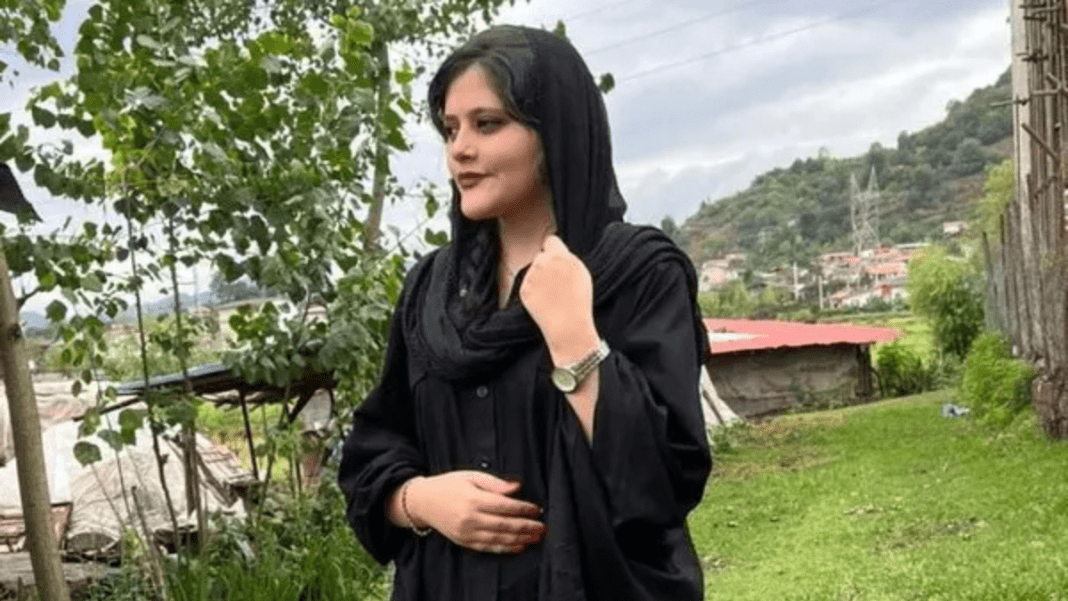

Iran’s judiciary has announced a striking ruling demanding that the United States pay $22 billion in damages connected to the nationwide protests that erupted after the death of Mahsa Amini in September 2022. Her death, which occurred after she was detained for allegedly violating dress rules, sparked widespread anger across Iran and led to one of the most intense protest waves the country had seen in years.
Background of the Massive Compensation Claim Linked to Mahsa Amini
Officials say the court ruling is based on claims that the US provided “material and spiritual support” to the demonstrations. Iranian authorities argue that such support encouraged the unrest that followed Mahsa Amini’s death and that it caused deaths, injuries, and instability across the country. A spokesperson for the judiciary confirmed the ruling and said the alleged actions by the US amounted to interference in Iran’s sovereignty.
According to state media, more than 600 families—those described as families of people killed or affected during the protests following Mahsa Amini’s death—filed complaints that resulted in this legal action. While the ruling carries political weight, it is widely seen as unenforceable, similar to other rulings issued during tense periods in Iran–US relations.
Iran conducts missile strike on Israeli base in Tel Aviv raising security concerns
How Iran Calculated the Damages After the Protests
The compensation figure of $22 billion includes several categories. The court ordered $5.82 billion in material damages for families who lost loved ones during the protests sparked by Mahsa Amini’s death. Material damages refer to financial losses related to death or long-term harm.
It also ordered $11.64 billion in moral damages for these families. These types of damages reflect the emotional pain, trauma, and stress that families say they suffered after the unrest connected to Mahsa Amini’s case.
Another part of the ruling focuses on people who survived but suffered severe injuries. The court granted twenty-five individuals $187.5 million in material damages and $375 million in moral damages for what it calls “severe physical and psychological injuries.”
Iran gains powerful AML–CFT support from Russia, challenging FATF’s global control
On top of that, the judiciary added $30.35 billion in punitive damages. Punitive damages go beyond compensation and aim to punish the accused party—in this case, the US—for actions that Iran says led to dangerous unrest. Iranian officials claim that the US “deliberately” encouraged or funded activities they describe as rioting, especially during the waves of protests linked to Mahsa Amini’s death.
Authorities say that these alleged actions violated international law and interfered in Iran’s internal matters.
Internal Reactions and Rising Tensions in Iran
Officials announced the ruling around the third anniversary of Mahsa Amini’s death, a time that reignited strong emotions across the country. Ahead of the anniversary, more than one hundred victims of past crackdowns and their families released a public letter urging the world to act against rising violence. They said security forces met the protests—many of which grew after Mahsa Amini’s death—with shootings, harsh injuries, and prison executions.
The letter said that people across Iran continue to demand dignity and freedom, even though they know the risks. It also urged governments around the world to put more pressure on Iran’s security forces.
At the same time, tensions inside Iran are rising over the enforcement of dress rules. A group of 155 lawmakers wrote to the head of the judiciary saying that the government was not enforcing hijab laws strictly enough. They argued that the lack of enforcement had encouraged more people to ignore dress requirements.
Iran confirms execution of man accused as Israeli spy amid rising death penalty cases
Some lawmakers accused senior officials of blocking the implementation of a strict Chastity and Hijab Law, which would impose penalties and fines for violations. One lawmaker argued that failure to enforce the law had contributed to social problems in many cities.
Meanwhile, US officials marked the anniversary of Mahsa Amini’s death with public statements supporting the Iranian people. They promised continued pressure on Iran’s leadership and said that Mahsa Amini’s name “will never be forgotten.”
Although the $22 billion ruling is unlikely to translate into any real payment, it reflects the ongoing strain between Iran and the United States—and shows how deeply the events surrounding Mahsa Amini continue to shape political and social discussions.