


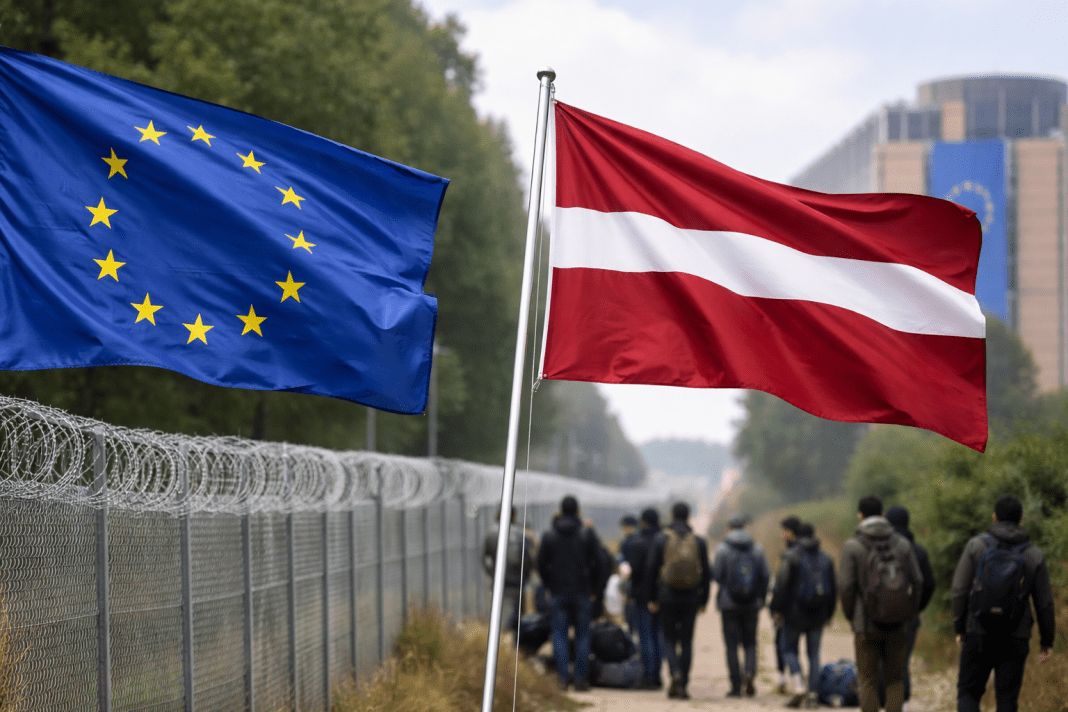


Latvia has said it will not accept the relocation of migrants under European Union rules. It has also stated that it will not pay financial penalties for refusing migrant relocation. The announcement comes as EU countries continue to debate how asylum responsibilities and migrant relocation should be shared.
EU migration frameworks require states to accept a set number of relocated migrants or contribute financially if they decline relocation. Latvia’s stance highlights growing disagreement among member states over how these relocation rules should be applied.
Latvia’s Position on Migrant Relocation
Latvia has stated that it will not take part in the relocation of migrants under current European Union migration rules. The country has also said it will not accept fines or financial contributions linked to refusing asylum seekers from other EU member states.
Latvia launches sabotage probe after vital Baltic undersea cable is deliberately damaged
This position is based largely on concerns about national capacity. Latvia is one of the smaller EU countries and has limited housing, social services, and administrative resources. Authorities say handling asylum claims requires long-term support, including education, healthcare, and language training, and these systems are already under strain.
Border security is another major concern. Located on the EU’s eastern edge, Latvia considers its borders sensitive and stresses the need for strict control. Officials argue that migration decisions should take into account each country’s unique security situation and geographic position.
Domestic politics also influence the stance. Migration remains a sensitive issue among voters, with strong public support for national control over immigration. Supporters of Latvia’s approach say EU treaties respect national sovereignty and that while cooperation matters, migration policy should remain a decision made at the national level.
EU Migration Frameworks and Shared Responsibility
The European Union has worked for years to create a shared system for handling asylum seekers. The goal is to prevent a few countries from carrying most of the burden when large numbers of migrants arrive. Under EU migration frameworks, countries that receive fewer asylum seekers are expected to help those facing higher numbers.
One part of these frameworks involves relocation. This means moving asylum seekers from countries under heavy pressure to other EU member states. If a country refuses to take part, it may be asked to contribute money instead. These funds are meant to support countries that are hosting more migrants.
Security Crisis : Latvia Warns of Russian Military Expansion in Europe
EU institutions describe this approach as a way to ensure fairness. They argue that the EU functions as a union, not just a group of separate countries. From this view, shared challenges require shared solutions.
However, not all member states agree on how this responsibility should be shared. Several countries, including Latvia, argue that financial penalties are unfair. They say that paying fines does not solve the real issues of integration, housing, and social cohesion.
Critics of Latvia’s position say that EU membership includes both benefits and obligations. They argue that countries benefit from shared markets, funding, and security, and should also help during humanitarian situations. From this perspective, refusing both relocation and payments weakens the idea of EU solidarity.
Ongoing Tensions Inside the European Union
Latvia’s declaration highlights the tension between national sovereignty and EU-wide governance, with migration policy at the center of the debate. While the European Union seeks joint action, member states differ in history, resources, and public views on migration.
Some EU countries have accepted large numbers of migrants and argue that responsibility should be shared fairly. Others, including Latvia, say forced relocation quotas do not respect national differences, leading to long discussions and slow progress on common EU migration rules.
Latvia Secures Deadly RBS 70 NG Missiles Amid Rising Russia Threat
Legal questions further complicate the issue. EU law allows shared policies, but immigration control has traditionally been a national matter. This creates disputes over how far EU rules can go without limiting national authority.
Public opinion across Europe reflects these divisions. Migration is seen as a humanitarian issue in some countries and a security concern in others. Latvia’s refusal to accept relocated migrants or pay penalties shows continued resistance to shared EU migration policies.