


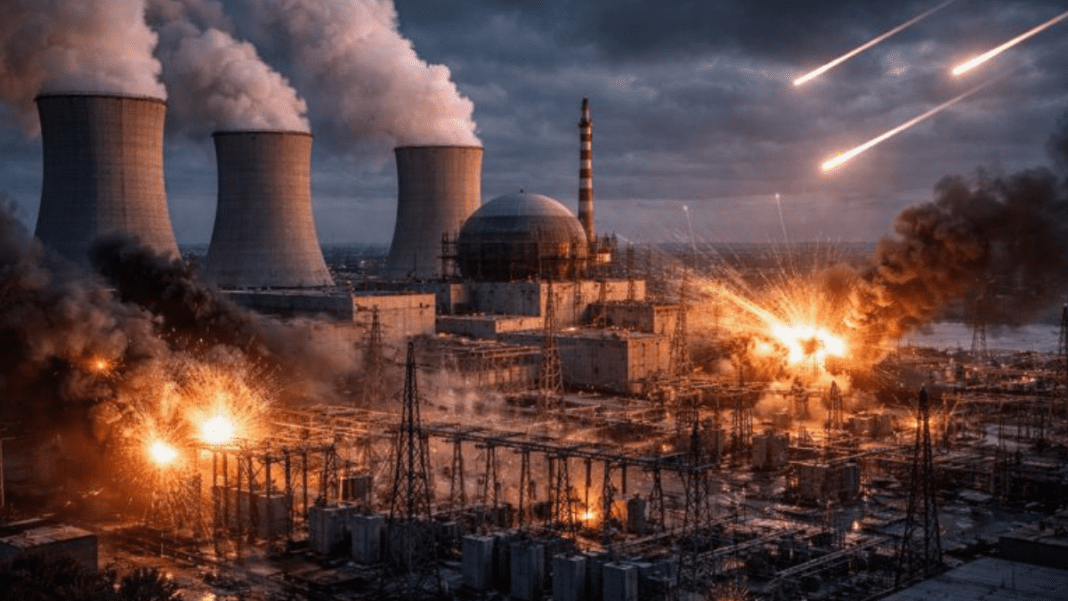


Ukraine has raised serious concerns. Russia is preparing new attacks on the country’s energy system. This includes infrastructure linked to nuclear power plants. President Volodymyr Zelensky said Russian forces are gathering intelligence on key energy sites. He said they are planning strikes that could disrupt electricity and heating for millions of people.
Zelensky said Ukraine has confirmed information about which facilities Russia has been studying. These include nuclear power plants, gas production sites, power stations, and electrical substations. Substations play a vital role by directing electricity from power plants to cities, homes, hospitals, and businesses.
According to Ukrainian officials, these actions show that Russia is prioritizing attacks over diplomatic efforts. Zelensky said Ukraine is sharing all developments with international partners, including the United States, to highlight the risks facing civilians and critical infrastructure.
Ukraine’s intelligence agencies, including the Main Intelligence Directorate, reported that Russia has conducted reconnaissance on at least 10 major energy facilities across nine regions. Officials said these locations include sites connected to nuclear power plants and the electrical networks that support them.
Intelligence reports indicate that Russia is considering strikes on substations linked to nuclear plants. By disabling these substations, Russia could disconnect power plant units from the national grid, leaving large areas without electricity or heating, especially during winter.
Zelensky confirms talks on U.S.-proposed buffer zone to ease danger in war-torn Donbas
Zelensky said Ukraine has clear evidence that these actions are being planned deliberately. He added that if Russia were serious about ending the conflict, it would focus on diplomacy instead of launching missile attacks and causing blackouts.
Authorities believe the strategy is aimed at increasing pressure on civilians by creating widespread energy shortages. Such disruptions affect daily life, limit access to essential services, and place additional strain on hospitals and emergency responders.
Widespread Damage to Power and Heating Systems
Ukraine’s energy infrastructure has suffered extensive damage over recent months. According to the Security Service of Ukraine, more than 250 air attacks have targeted energy facilities and heating systems since the beginning of the current heating season.
Investigators have recorded strikes on hydroelectric power plants, thermal power stations, combined heat and power facilities, and gas production infrastructure. Electrical substations have also been hit repeatedly, further weakening the national power grid.
The most severe damage has occurred in and around Kyiv, as well as in the Kharkiv, Odesa, Dnipropetrovsk, Sumy, Mykolaiv, and Chernihiv regions. In many of these areas, residents have faced power outages, reduced heating, and disruptions to water supply.
Ukraine’s STING interceptor drone shoots down jet-powered Shahed armed with air-to-air missile
Zelensky said facilities operated by the national energy company have been attacked across multiple regions, including a recent strike on gas production infrastructure. Ukrainian intelligence has also warned of preparations for further strikes on energy networks that serve nuclear power plants.
Rising Safety Concerns Around Nuclear Facilities
Ukrainian officials say no direct attack on a nuclear reactor has occurred in this context, but they warn that damage to nearby substations or transmission lines creates serious safety risks. Nuclear power plants depend on stable electrical connections to operate safely, and sudden power losses can put heavy strain on backup systems.
Authorities are actively monitoring all nuclear facilities and their surrounding infrastructure. They are working with international partners and safety organizations to maintain protective measures and address any risks quickly.
Zelensky has emphasized that targeting infrastructure connected to nuclear power plants raises serious humanitarian and safety concerns. Such actions could affect not only Ukraine but also neighboring countries if a nuclear incident were to occur.
In response to the damage, Ukraine is preparing to introduce a state of emergency in the energy sector. This move allows authorities to act faster, mobilize repair teams, and strengthen protection around key facilities.
Despite the ongoing attacks, Ukraine’s energy system remains operational, though under significant strain. Emergency crews continue working to restore electricity and heating, often under dangerous conditions.
From war hero to under fire — Zelensky hit by $1.7B EU freeze and growing street fury
Officials report that Russian strikes on energy infrastructure are continuing across multiple regions. Gas production sites, power plants, and substations remain under threat, and the pattern of attacks shows no sign of slowing.
Zelensky said every strike on civilian infrastructure during winter undermines efforts by international partners to support diplomatic solutions. He added that the continued targeting of energy systems demonstrates that military pressure, rather than negotiation, remains the primary approach.