


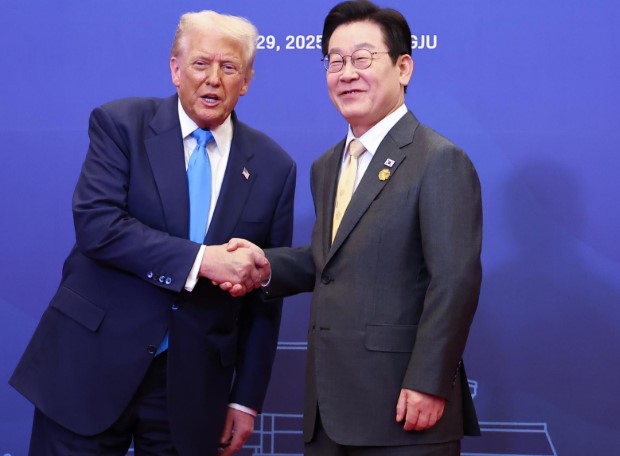


The United States and South Korea have agreed to move forward with a separate agreement on nuclear submarine cooperation. Negotiations are expected to start early next year. The step highlights closer defense coordination between the two allies. It comes as security concerns grow in the Asia-Pacific region, where advanced naval capabilities are becoming increasingly important.
What the Nuclear Submarine Cooperation Agreement Is About
The planned agreement is expected to focus on cooperation rather than the transfer of nuclear weapons. Nuclear submarines use nuclear power to run their engines, not necessarily to carry nuclear arms. This distinction is important, as it highlights that the talks are centered on technology, operations, training, and shared understanding, rather than offensive weapon use.
Nuclear-powered submarines offer several advantages over traditional diesel-electric submarines. They do not need to surface often, making them harder to detect. They can also remain deployed for months, which improves surveillance and defense readiness. Because of these features, many countries view nuclear submarines as strategic assets that strengthen naval defense without direct confrontation.
A historic shift beneath the waves — U.S. empowers South Korea with nuclear submarine might
Reports indicate that both sides have already held detailed and practical discussions about security cooperation as part of broader defense arrangements. These talks were reflected in a joint information document released after high-level diplomatic meetings held on the sidelines of an international economic summit in the Asia-Pacific region.
The decision to pursue a separate agreement suggests that nuclear submarine cooperation is being treated as a sensitive and specialized topic. By handling it through a dedicated framework, both sides can address technical, legal, and safety issues in a focused way. This approach also allows for clearer communication and reduces misunderstandings about the purpose and limits of the cooperation.
When Negotiations Will Begin and What They May Cover
Working-level negotiations are expected to begin early next year. These talks usually involve experts and officials who focus on technical details rather than political statements. Their role is to lay the groundwork for how cooperation will function in practice.
While full details have not been made public, such negotiations typically cover areas such as information sharing, safety standards, training programs, and rules for the use of advanced naval technology. Discussions may also include how to ensure that cooperation aligns with international rules on nuclear technology and non-proliferation.
South Korea finalizes UN draft resolution on Iran sanctions amid snapback process
Another key issue is likely to be operational transparency. Both countries are expected to clarify how nuclear submarine cooperation fits within existing defense agreements. This helps prevent confusion among neighboring countries and reassures the international community that the cooperation is defensive in nature.
The agreement is being developed separately from other defense deals, which shows the importance placed on careful planning. Nuclear-powered vessels involve strict safety rules, environmental protections, and long-term responsibility. Addressing these matters early helps build trust and reduces risks linked to misunderstanding or mismanagement.
Regional Security Concerns and Reactions
The announcement comes amid ongoing security tensions in Northeast Asia. Recent military activities in the region, including missile tests and naval exercises, have kept defense issues in the spotlight. Under these conditions, any move involving advanced military technology naturally draws attention.
Some analysts have noted that the pursuit of nuclear submarines could increase competition under the sea, where submarines from different countries operate in close proximity. This has led to concerns that an expanded focus on underwater capabilities could fuel a submarine arms race in the region.
At the same time, supporters of the cooperation argue that stronger defense coordination can help maintain balance and prevent conflict. By improving surveillance and deterrence, nuclear submarines may reduce the chances of sudden military surprises.
Media reports have highlighted that the region already faces a complex security environment, with multiple countries investing heavily in naval modernization. In this context, the planned agreement is seen as part of a broader pattern of alliances adapting to new challenges.
Officials have emphasized that discussions are still at an early stage and that any final agreement will follow careful review. The focus remains on cooperation, safety, and shared security goals rather than escalation.
As working-level talks approach, attention will remain on how this agreement is shaped and how it fits into the wider regional security picture. For now, the key fact remains that the United States and South Korea have agreed to begin formal negotiations on nuclear submarine cooperation, marking a notable development in their defense partnership.