


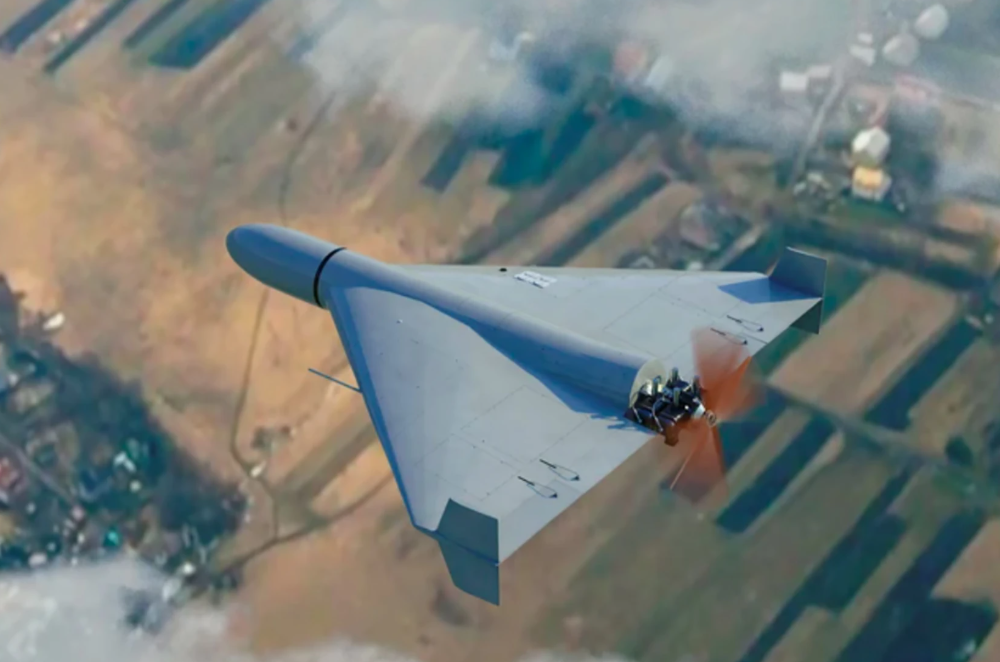


Ukraine is strengthening its air defense with the approval of a new domestically built interceptor drone system called Shvidun. Cleared for active combat use by the Ministry of Defense, the system is designed to detect and destroy hostile unmanned aerial vehicles. Already deployed in real operations, Shvidun marks a key step in Ukraine’s push to counter rising drone threats with advanced homegrown technology.
Ukraine Approves Shvidun Drone Hunter for Active Combat Use
Ukraine has officially approved a new domestically developed unmanned aerial system called Shvidun, marking a major step in strengthening its air defense capabilities. The country’s Ministry of Defense has cleared the system, and it now operates in active military service. Authorities have introduced it as part of efforts to respond more effectively to growing aerial threats.
Designers have specifically built the Shvidun system to intercept hostile unmanned aerial vehicles used in surveillance and strike missions. These include widely deployed models such as Shahed-136, Gerbera, Geran, Supercam, Zala, and Skat. The approval highlights Ukraine’s continued focus on building local defense technology to counter modern drone warfare challenges.
Ukraine’s STING interceptor drone shoots down jet-powered Shahed armed with air-to-air missile
The system has already moved beyond testing and is now operating in real combat environments. Initial units are reported to be actively supporting air defense operations and protecting cities from incoming drone incursions.
How the Shvidun Interceptor Drone Works Against Enemy UAVs
Designers have built the Shvidun interceptor drone for speed, stability, and long-range operational use, making it effective for modern aerial interception missions. They have used strong composite materials in its construction to help it endure high-speed flights and challenging environmental conditions. The drone remains compact in size, weighing around 8 kilograms and featuring a wingspan of nearly two meters, which helps it stay agile while still carrying out advanced defense tasks.
The system can reach speeds exceeding 250 kilometers per hour and operate at altitudes of up to 6 kilometers. This enables it to track and engage a wide range of hostile drones flying at different heights. With an operational range of more than 70 kilometers, it is capable of covering large urban areas and strategically important regions, strengthening air defense coverage where it is most needed.
📡 Mystery drone from Belarus sparks panic in Lithuania — “Shahed lookalike” suspected
Advanced engineering solutions in the Shvidun system help reduce vibration during high-speed flight. This ensures a stable visual feed for operators, which is essential for accurately identifying and tracking fast-moving aerial targets. Even at maximum speed, the drone remains controlled and precise during interception tasks.
The system can stay airborne for over two hours, allowing extended patrols and response missions. It also features low-speed takeoff and landing capability, making recovery safer and easier. If a target is not engaged, the drone can be reused for future missions.
Early Battlefield Results and Growing Drone Defense Network
The system is already in active military use, helping Ukraine defend its airspace from hostile unmanned aerial threats. It has been deployed to quickly respond to drones approaching cities, critical infrastructure, and other sensitive areas. Designed as a fast-response interceptor, it supports broader air defense operations across the country.
Defense officials report that it is performing effectively in real combat conditions. It has shown strong reliability during live interception missions, where rapid detection and response are critical. Its operational use highlights the growing role of unmanned systems in modern air defense strategies.
Ukraine’s Zaporizhzhia suffers heaviest overnight strike with missiles and Shahed drones
According to official statements, nearly 100 enemy drones have already been destroyed using the interceptor system. These targets include both reconnaissance drones used for intelligence gathering and strike drones used in direct attacks. The repeated use of such drones has increased the demand for quick and accurate interception capabilities.
Authorities state that the system is among the most successful domestically developed interceptor drones currently in service. It plays a key role in Ukraine’s layered air defense network, where multiple systems work together to detect, track, and eliminate aerial threats. The technology is especially important in protecting populated urban areas and critical infrastructure from sudden drone incursions.