


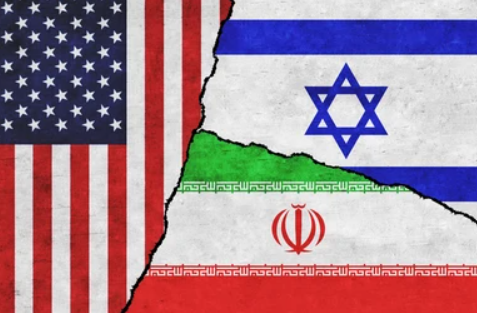


As the war between the United States, Israel, and Iran intensifies, leaders are speaking more openly about its possible end. Statements from Masoud Pezeshkian and Donald Trump show very different visions for the final stage of the conflict. Meanwhile, Benjamin Netanyahu has indicated that Israel is ready for a longer fight if needed. These remarks reveal how each side views the war, the damage so far, and the conditions required before it can stop.
What Donald Trump Has Said About The War
In recent days, President Donald Trump has spoken about the conflict, combining confidence in the U.S. military campaign with signals that operations are still ongoing. At a rally in Hebron, Kentucky, he told supporters that American forces had already achieved decisive success and inflicted severe damage on Iran’s military in the early stages of the war.
Trump said U.S. forces had destroyed dozens of Iranian naval vessels and damaged key military infrastructure. He suggested that Iran’s military capabilities had been significantly weakened and claimed that very few targets remained. “Practically nothing left,” he told reporters.
Donald Trump gives mixed signals on Iran war timeline as markets watch rising oil prices
At the same time, Trump made clear that the campaign was not over. “We don’t want to leave early, do we? We got to finish the job,” he said. He also indicated that the war’s end could depend on Washington’s decisions, stating, “Any time I want it to end, it will end.” These remarks show that U.S. leaders view the campaign as largely successful and may continue it until they fully achieve their objectives.
Pezeshkian Outlines Iran’s Conditions for Ending the Conflict
Iran’s leadership has framed the war in terms very different from the United States. Iranian officials focus on political conditions that they say must be met to end the conflict, rather than on military results.
President Masoud Pezeshkian recently stated that Iran is ready for peace, but any agreement must address what Tehran sees as the root causes of the war. Speaking after discussions with leaders from Russia and Pakistan, Pezeshkian outlined three conditions for ending the conflict.
First, he said Iran’s “legitimate rights” must be recognized, referring to sovereignty, security concerns, and strategic programs. Second, he called for financial compensation for war damage, insisting that the United States and Israel pay reparations. Third, he demanded firm international guarantees to prevent future attacks.
US and Israel signal diverging war aims in Iran conflict as strikes expand beyond nuclear targets
“The only way to end this war—ignited by the Zionist regime and the US—is recognizing Iran’s legitimate rights, payment of reparations, and firm international guarantees against future aggression,” Pezeshkian said.
At the same time, Iran’s Islamic Revolutionary Guard Corps rejected Trump’s claim that Washington could decide when the war ends. “It is we who will determine the end of the war,” the IRGC stated, emphasizing that Tehran’s armed forces will control the conflict’s outcome and the region’s future balance of power.
Israel Signals A Longer Campaign Against Iran
Israel’s leadership has focused less on discussing timelines for ending the war and more on its long-term military objectives. Prime Minister Benjamin Netanyahu and other Israeli officials have repeatedly said they are conducting the campaign against Iran to reduce Tehran’s ability to threaten Israeli security.
Israeli leaders argue that Iran’s military programs and its network of allied armed groups across the Middle East pose long-term risks. Because of this, they will continue military operations until they significantly weaken those threats. Officials believe that limiting Iran’s military strength is necessary to improve Israel’s security situation in the region.
Iran sets three conditions to end war with US and Israel as regional tensions and strikes continue
In recent briefings, Israeli officials described the conflict as an open-ended campaign rather than a short military operation. They have said the fight will continue “as long as required” to achieve Israel’s strategic goals. So far, the Israeli government has avoided giving any specific timeline for when military operations might end.
Recent statements from leaders in Washington, Tehran and Jerusalem show three different narratives about the conflict. The United States says its forces have already inflicted major damage on Iran’s military and may continue operations to achieve the remaining objectives. Iran has framed the end of the conflict as a political settlement with conditions, while Israel remains focused on weakening Iran’s military capabilities and regional influence across the region.