


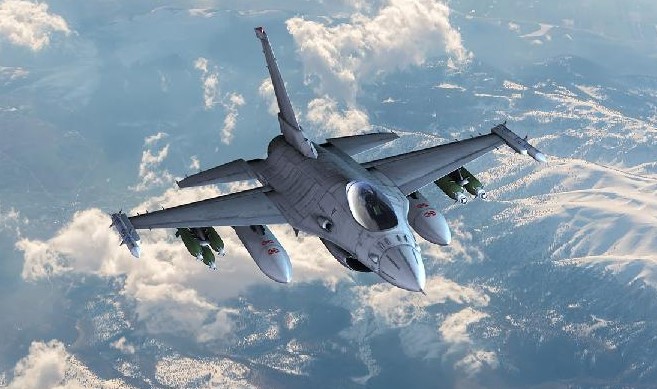


Reports from the border region indicate a sharp escalation in fighting in Banteay Meanchey on 18 December 2025, as Thai F-16 fighter jets continued air operations over Cambodian territory. The latest updates confirm that additional sorties took place through the early afternoon, following heavy air activity reported earlier in the day.
Escalation of Airstrikes Over Banteay Meanchey
By 14.30 local time, fighting was ongoing across the Banteay Meanchey battlefield. Shelling from the Thai side reportedly continued to strike areas inside Cambodia. These attacks were carried out alongside air support, with F-16 fighter jets flying repeated missions over the region. The situation remained tense as explosions were heard in and around populated areas.
At approximately 14.32, Thai F-16 aircraft reportedly dropped two bombs on Serei Saophoan city in Banteay Meanchey province. This marked a significant development, as the strikes directly affected an urban area. Local reports described loud blasts and smoke rising from the city shortly after the bombs were released.
Thai F-16 jets drop bombs near Siem Reap–Oddar Meanchey border bridge
Just minutes later, at around 14.40, Thai F-16 fighter jets carried out another bombing run over the same city. Two more bombs were reportedly dropped into Serei Saophoan, less than ten minutes after the earlier strike. The repeated nature of the airstrikes raised concerns about the intensity and coordination of the operation.
At 14.45, further reports confirmed that another bomb was dropped by a Thai F-16 aircraft in the area of Serei Saophoan town. This third wave of bombing within a short time frame added to fears among residents and authorities, as the city experienced multiple impacts in under half an hour.
Details of the Bombing Runs and Ground Fighting
The sequence of events on the afternoon of 18 December shows a pattern of sustained military pressure. According to battlefield updates, Thai forces combined artillery shelling with airpower to strike Cambodian positions and nearby areas. The use of fighter jets alongside ground fire suggests a coordinated effort to maintain pressure across the frontline.
Serei Saophoan city, located in Banteay Meanchey province, became a focal point of the airstrikes. The city lies close to areas of active fighting, making it vulnerable during periods of escalation. Reports indicate that bombs fell within the city limits, though details about damage levels were still emerging at the time of the update.
Thailand in shock — UK blacklists 4 Thai firms for allegedly supporting Russia’s war in Ukraine
The repeated use of F-16 aircraft within such a short span highlights the intensity of the operation. Between 14.32 and 14.45, at least five bombs were reportedly dropped on or near Serei Saophoan. Each strike added to the disruption already caused by ongoing shelling earlier in the day.
On the ground, shelling continued along the Banteay Meanchey battlefield. Explosions were reported from multiple locations, indicating that artillery fire did not stop even as airstrikes were underway. This created a situation where residents faced threats from both the air and the ground.
Local sources described the atmosphere as extremely tense, with civilians seeking shelter as blasts echoed through the area. The sound of jet engines overhead reportedly caused fear, especially as the strikes followed one another in quick succession.
Cambodian Response and Security Situation
Cambodian forces remained on high alert throughout the afternoon as the airstrikes continued. According to official updates, defensive units responded by firing back to protect national sovereignty and territorial integrity. The response focused on resisting what was described as an invasion and preventing further advances.
The continued alert status reflects the seriousness of the situation. Defensive positions were maintained as shelling and air activity persisted. The aim, according to reports, was to safeguard territory and respond to incoming attacks without allowing further escalation on the ground.
Authorities emphasized that the actions taken were defensive in nature. The focus remained on protecting border areas and nearby communities from further harm. As the bombings occurred, emergency measures were reportedly put in place to manage the security situation.
Thai air force targets Chai Chum Nea bridge and Thmoda casino in cross-border operation
The afternoon updates underscore how quickly conditions changed on 18 December. What began with heavy raids earlier in the day developed into repeated bombing runs by Thai F-16s by mid-afternoon. Each new report added to concerns about the spread of fighting into populated areas.
As of 14.45, the situation in Banteay Meanchey province remained highly unstable. Shelling, airstrikes, and defensive fire were all ongoing, marking one of the most intense periods of the conflict so far. The developments highlight the seriousness of the clashes and the immediate impact on Cambodian territory during this phase of the conflict.