


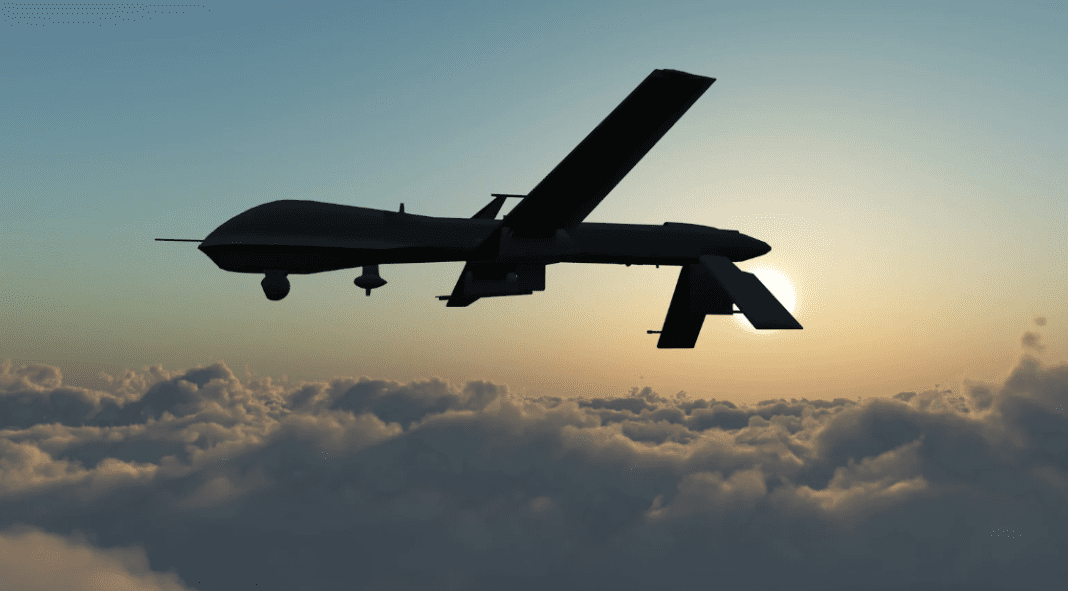


Russia’s use of Starlink drones has become a major topic once again after new images showed a Russian “Molniya”-type drone carrying what looks like a mini-Starlink satellite terminal. Ukrainian defense observers reportedly spotted the drone in the Pokrovsk area in eastern Ukraine and raised alarm after tracking similar activity since early 2024.
How Starlink Drones Reappeared on the Battlefield
The pictures show an improvised setup, with a small commercial Starlink terminal attached to the side of the drone’s frame. Even though the installation looks simple, it appears to function reliably during flights. Experts say the drone’s overall structure and engine placement closely match the known Molniya family of drones, which are cheap, modular, and easy to modify.
This is not the first time Starlink drones have been seen in the conflict. Multiple sightings over the past two years show that Russian forces continue to depend on satellite-based internet for guiding drones over long distances. Despite attempts made by the US to block unauthorized Starlink use, Russian units have found ways to keep these systems active on the battlefield.
Hostile Russian drones push Europe to rethink air defense — mini-missiles may tip the balance
Why Starlink Drones Give Russia a Powerful Advantage
The biggest reason Starlink drones worry Ukrainian officials is the communication range they offer. Starlink provides fast satellite internet, which means a drone can stay connected even when it flies far beyond the reach of normal ground-based radio signals. This gives Russia several tactical advantages.
Ukrainian soldiers have documented Starlink terminals on many drone types. These include small explosive drones, mid-range scouting drones, and larger aircraft like the RD-8 “mothership” drone. The RD-8 is particularly dangerous because it can control multiple smaller drones at the same time. With Starlink, the operator can send updates, change targets mid-flight, and fly several loitering munitions deeper into contested areas.
Starlink drones make it easier for Russian forces to perform long-distance surveillance. The live video feed allows operators to view roads, troop movements, and equipment positions in real time. This is especially effective when weather or terrain blocks other forms of communication.
Fear in Moldova: Russian Drones Explode Near Villages
Analysts warn that Starlink drones could help conduct more precise attacks. Because the operator can adjust the drone’s course at any moment, it becomes harder for defenders to predict flight paths or intercept them. Even simple drones become more capable once they have stable satellite-based control.
These concerns have pushed Ukraine to increase monitoring efforts and search for safer alternatives to its own communication systems. The continued appearance of Starlink drones shows how modern battles can be shaped by widely available commercial technology.
Efforts to Stop Unauthorized Starlink Use and Why the Problem Continues
The US Department of Defense took major steps in 2024 to stop Russia from using unauthorized Starlink terminals. Officials worked on new tools to disable unregistered devices and discussed creating an “allowlist” that would allow only approved terminal IDs to function. By June 2024, US authorities shut down hundreds of illegal units, and many observers believed this would reduce the use of Starlink drones.
However, monitoring groups later confirmed that the issue continued. Russian forces kept acquiring Starlink terminals through black-market channels and often smuggled them in from nearby countries. After bringing the terminals into Russia, technicians quickly attached them to drones using basic brackets and wiring. Even with this simple setup, the drones gained the ability to operate over long distances, which kept Starlink drones active on the battlefield.
Ukraine has started exploring European satellite services that offer stronger control and shutdown features to stop captured devices from being misused. At the same time, Russian military displays in 2025 showed new domestic systems that aim to imitate Starlink, though early testers say these versions are not yet as capable.
Despite these developments, Russian forces continue deploying Starlink drones in the conflict. The satellite provider has not issued any new public statement, and earlier reports showed that Russian units used gray-market terminals to improve coordination and targeting. These continued sightings show how easily widely available commercial internet technology can become a powerful tool in modern warfare.