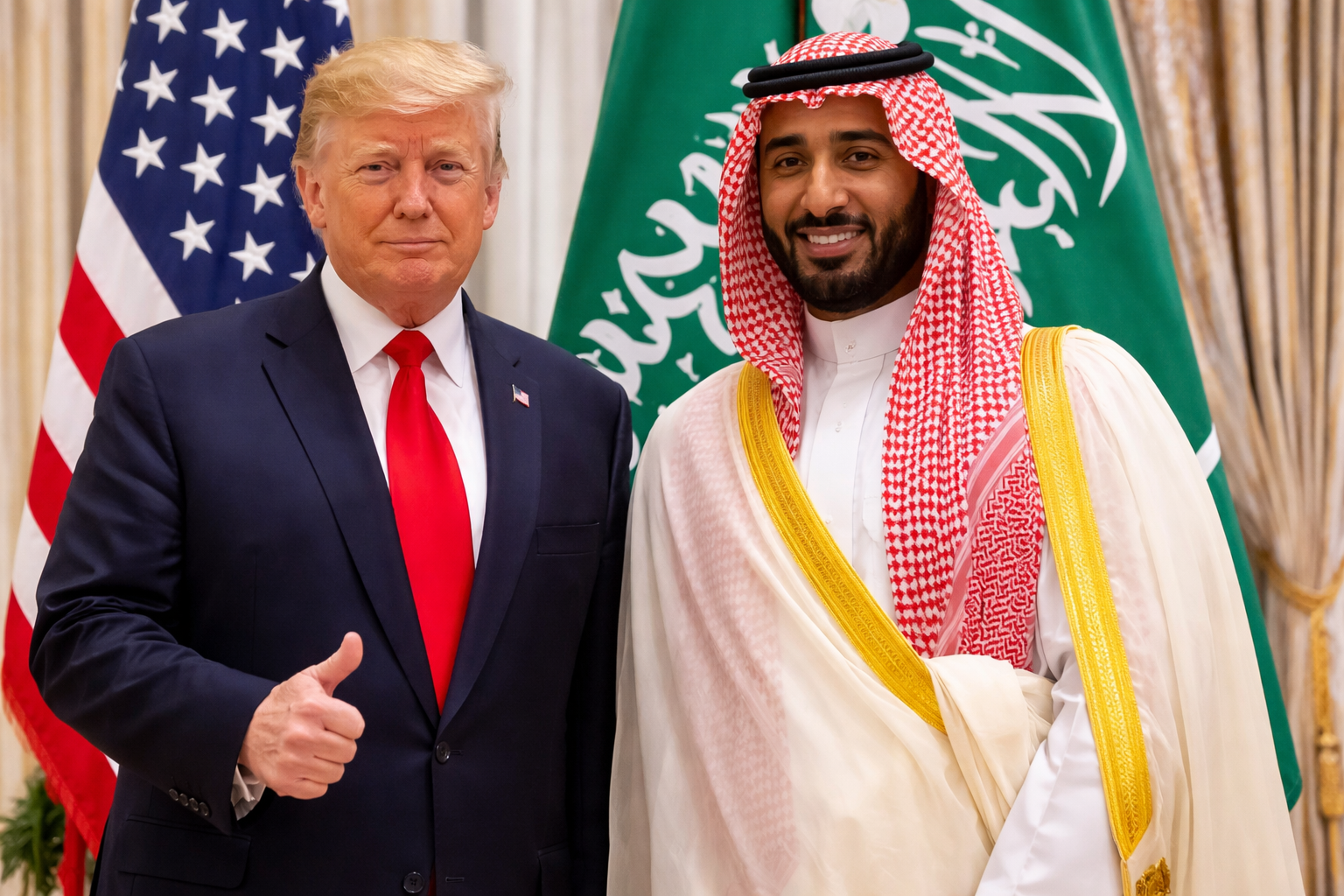
Tensions in the Middle East are rising again as U.S. President Donald Trump publicly praised Mohammed bin Salman, calling him a “warrior” during ongoing conflict-related discussions involving Iran.
Trump’s remarks have drawn attention because they come at a time when reports suggest that Saudi Arabia is pushing for stronger military action against Iran. His comments highlight growing cooperation between the United States and Gulf nations, raising concerns about how far the situation could escalate.
Trump Praises Mohammed bin Salman as Conflict Deepens
Speaking to reporters, Trump expressed strong support for key Gulf partners involved in the situation. He described Saudi Arabia as “excellent” and praised its leadership, particularly Crown Prince Mohammed bin Salman.
Pakistan signals end of neutrality, invoking defense alliance to stand by Saudi Arabia
Trump said the Saudi leader is actively working alongside the United States, emphasizing their shared efforts in dealing with Iran. He used the word “warrior” to describe the Crown Prince, signaling both admiration and approval of Saudi Arabia’s approach.
His praise did not stop there. Trump also highlighted the roles of other Gulf countries, including the United Arab Emirates and Qatar. He called both nations strong and reliable partners during the conflict.
Talking about Qatar, Trump noted that the country had recently faced a significant attack but remained firm. He pointed out how close Qatar is geographically to conflict zones, stressing that despite the risks, it has continued to support regional efforts.
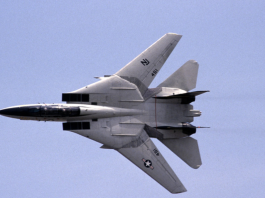
Trump also mentioned Kuwait, praising its cooperation even after a serious incident in which Kuwaiti forces mistakenly shot down three American fighter jets. His comments suggest that the United States continues to value its alliances in the region despite such setbacks.
Reports Indicate Push for Stronger Military Action
At the same time, several reports suggest that Mohammed bin Salman has been encouraging the United States to take a tougher stance against Iran. According to these reports, the Saudi Crown Prince views Iran as a long-term threat to the stability of the Gulf region.
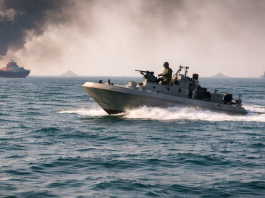
Discussions between officials are believed to include possible expansion of military operations. One of the most serious options reportedly under consideration is targeting Kharg Island, a major center for Iran’s oil exports.
Kharg Island plays a crucial role in Iran’s economy. A large portion of the country’s oil is shipped from this location. Any military action there could disrupt global oil supplies and significantly impact international markets.
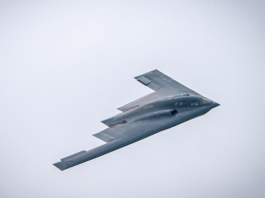
The reported plan could involve airborne troops or an amphibious assault. Experts consider such an operation highly risky because it could trigger a wider conflict in the region. It may also lead to retaliation from Iran, further increasing tensions.
While these discussions remain unconfirmed at an official level, they reflect the growing pressure from Gulf allies for more aggressive action.
Growing Regional Alignment Raises Stakes
Trump’s comments and the reported discussions point to a broader alignment forming between Washington and Gulf nations. Countries like Saudi Arabia, the United Arab Emirates, Qatar, and Kuwait appear to be working more closely together in response to Iran.
This alignment is important because it shows a united front in the region. However, it also raises concerns about escalation. As more countries become involved and support stronger actions, the chances of a larger conflict increase.
The situation is further complicated by the close geographic proximity of these nations. Many Gulf countries are located near Iran, making them vulnerable to any escalation. This adds urgency to their calls for stronger measures, as they directly face the risks of instability.
Donald Trump warns Iran positioned 1,200 missiles targeting UAE, Qatar, Oman and Saudi Arabia
Trump’s remarks suggest that military efforts, rather than diplomatic solutions, are currently shaping the direction of the conflict. His supportive tone toward Gulf allies reflects a shift in approach, where cooperation in military strategy appears to be gaining importance.
The developments highlight how quickly regional dynamics can change. With powerful nations and key allies taking stronger positions, the situation remains tense and closely watched around the world.