


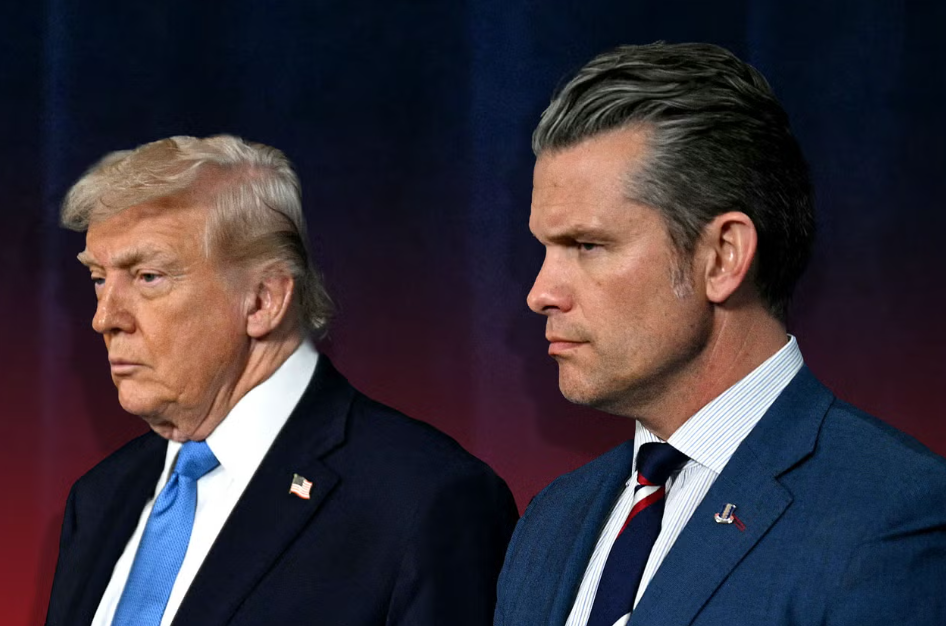


Tensions between the United States and Iran are rising. Military action is continuing across the region. At the same time, there are signs of possible diplomacy. Statements from US Defense Secretary Pete Hegseth and President Donald Trump highlight a strategy that combines force with efforts to open communication channels.
Pete Hegseth Issues Clear Warning as Strikes Continue Across Iran
The United States has issued one of its strongest warnings to Iran during the ongoing conflict. US Defense Secretary Pete Hegseth said military force is central to Washington’s strategy, stating, “We negotiate with bombs.” His remarks come as US and Israeli airstrikes continue across Iran, even as the White House maintains that diplomatic options remain open, showing a dual approach of pressure and talks.
Hegseth described the campaign as rapid and powerful. He claimed Iran’s modern military, including its air defenses, navy, and air force, was quickly overwhelmed. According to him, the strikes caused significant damage in a short time, highlighting the scale and speed of the operation.
He added that the joint US-Israel air campaign could be among the most significant in recent history. The strikes began with overwhelming force, as rising tensions, repeated attacks, and ongoing military activity continue to increase concerns across the region.
Trump Signals Talks, Iran Denies Negotiations
Even as military operations intensify, US President Donald Trump has said there may be some progress toward possible talks with Iran. He suggested that communication channels could be opening, creating some hope that diplomacy might help reduce tensions in the region despite the ongoing conflict. His remarks have raised questions about whether behind-the-scenes efforts are underway.
However, Iran has firmly denied these claims. Officials in Tehran say they are not involved in any direct negotiations with Washington. This comes even as multiple reports suggest that both sides are making indirect efforts to move closer to discussions. The difference in public statements has increased uncertainty.
The 15 points mystery: Trump claims productive talks with Iran despite Tehran’s denial
Countries such as Pakistan and Egypt are acting as intermediaries. They are passing messages between the US and Iran to create a possible path for dialogue without direct contact. These diplomatic channels play an important role when direct communication remains limited.
At the same time, US officials have quietly shared a 15-point framework for negotiations through these intermediaries. Despite these efforts, the situation remains uncertain, as both sides continue to send mixed signals, adding confusion and tension to the already serious conflict. The lack of clear confirmation from either side has made it difficult to assess the progress of any talks.
Military Pressure Remains Central to US Strategy
Despite talk of diplomacy, US Defense Secretary Pete Hegseth made it clear that military strength remains central to Washington’s approach toward Iran. He said ongoing airstrikes are not separate from negotiations but part of them, repeating his message that “we negotiate with bombs.” This reflects a strategy where force is used to influence outcomes.
Hegseth warned that Iran faces a choice and stressed that the United States will not allow it to develop nuclear weapons. He also linked the aggressive strategy directly to President Donald Trump, saying US forces have been given full authority to act decisively and strike targets without the limits seen in past wars. This approach, he suggested, allows for quicker and more effective military action.
White House eyes Iran’s Parliament Speaker Ghalibaf as potential key to future talks
He rejected comparisons to conflicts like Iraq and Afghanistan, saying this situation is different with clear goals. According to him, the main objective is to ensure Iran never gains nuclear capabilities, while allowing US troops to act quickly and with maximum impact. He stressed that the clarity of this mission sets it apart from earlier military engagements.
Meanwhile, the US has increased its military presence in the region, deploying more troops, including Marines and airborne units. With fresh attacks and movements continuing, Hegseth said operations will not pause and pressure will remain until US objectives are achieved. Ongoing military activity across the region continues to highlight the intensity of the situation.