


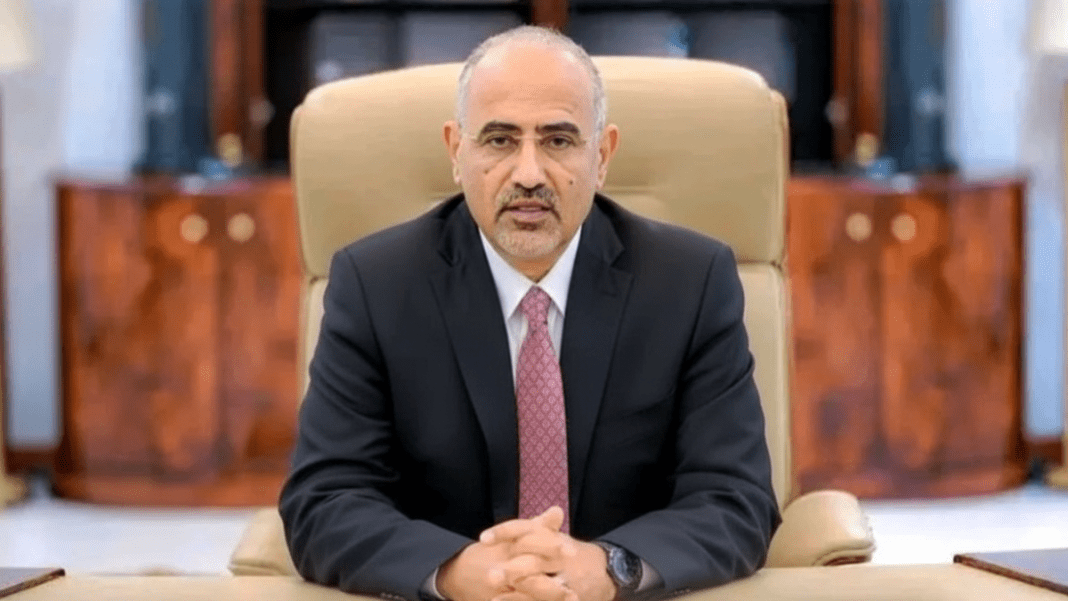


There’s a serious disagreement between Saudi Arabia and the United Arab Emirates (UAE). Saudi officials have accused the UAE of secretly helping a wanted Yemeni separatist leader escape from Yemen. This has made their relationship even more strained, especially since both countries are close neighbors and important oil producers.
The conflict is linked to Yemen’s ongoing war and humanitarian crisis. The accusations are gaining attention because they could impact security, trade routes, and politics in the Middle East.
Saudi Arabia Allegations of Secret Exit Military Involvement
The Saudi government claims that Aidarous al-Zubaidi, a leading figure of the Southern Transitional Council (STC), escaped Yemen with outside help. According to the Saudi military, he first traveled by sea to Somalia and was later flown to Abu Dhabi. Saudi officials allege that the flight involved an Ilyushin Il-76 aircraft, a military cargo plane.
Saudi Arabia further claimed that this aircraft type had supported operations in other conflict areas, including Ethiopia and Libya. The UAE has previously denied accusations of transporting weapons through these regions. The Emirati Foreign Ministry did not immediately issue a response to the latest claim.
Meanwhile, the Southern Transitional Council (STC) rejected the accusation, stating that Aidarous al-Zubaidi never left Yemen and remained in Aden, a key southern city. Despite this denial, Saudi officials insist the escape took place and describe it as a serious violation of trust.
Political Fallout Inside Yemen
The controversy runs deep within Yemen’s fragile political structure. Since 2022, the Presidential Leadership Council has governed southern Yemen to manage rival factions. Aidarous al-Zubaidi served as a member of this council until recently.
Earlier this week, the council removed him from his position and formally charged him with treason. This decision followed reports that he refused to travel to Saudi Arabia for discussions. The move marked a turning point, showing a clear breakdown between Saudi-backed leadership and the STC.
At the same time, Saudi Arabia launched airstrikes against STC-linked forces in southern Yemen. The kingdom said it also targeted an arms shipment that it claimed originated from the UAE. These actions signaled Saudi Arabia’s growing opposition to the separatist movement and its backers.
Yemen’s Houthis slam Chevron, ExxonMobil in explosive sanctions war with America
Yemen has been divided by years of fighting. The capital, Sanaa, has remained under rebel control, while southern cities like Aden have seen repeated clashes. The war has killed more than 150,000 people and displaced millions, making it one of the world’s worst humanitarian crises.
The instability has also affected nearby waters such as the Red Sea and the Gulf of Aden, which are vital shipping lanes for global trade. Tensions connected to the wider regional conflict, including events linked to the Gaza Strip, have increased risks to commercial vessels passing through these waters.
Media Pressure and International Attention
Saudi Arabia’s accusation was followed by intense coverage in Saudi media. Television networks and newspapers released detailed reports describing the alleged escape. Some outlets claimed to have evidence, including intercepted phone conversations, related to the incident.
One major newspaper published a front-page image of Aidarous al-Zubaidi labeled as “WANTED,” reflecting the strong official stance taken by Riyadh. Editorials criticized him sharply and accused him of acting against Yemen’s unity.
The dispute has also drawn attention from the United States government, which has remained involved in Yemen-related security issues for years. Under both Joe Biden and Donald Trump, the US carried out military strikes in Yemen and targeted armed groups that threatened shipping routes.
More recently, Saudi Arabia’s foreign minister met with Marco Rubio in Washington, showing how closely the international community is watching the situation. The US has previously supported cooperation between Saudi Arabia and the UAE, making the current disagreement especially concerning for global diplomats.
Norway’s $2 trillion sovereign wealth fund plans to sell more Israeli stocks over Gaza and
West Bank conflict
Saudi Arabia and the UAE have worked together for years on regional security and economic goals. However, they have also competed over influence, trade routes, and political leadership. The Yemen conflict has now become the clearest symbol of this rivalry.
By publicly accusing the UAE of assisting a wanted figure, Saudi Arabia has taken an unusually direct approach. The situation continues to unfold amid military action, strong media messaging, and ongoing suffering inside Yemen.