
Russia is increasing oil shipments to Cuba, with a second tanker being prepared after a recent large delivery ended a months-long gap. The renewed flow highlights continued energy trade between the two countries.
Cuba relies heavily on imported fuel for electricity, transport, and industry. These shipments occur under international restrictions and selective waivers, making each delivery important for its energy supply.
Russia Moves Ahead With Second Oil Shipment to Cuba
Russia is preparing to send a second ship carrying crude oil to Cuba, according to reports from a news agency citing a senior Russian energy sector source. The cargo is currently being loaded onto the vessel, marking a continued flow of energy shipments between the two countries.
This move comes shortly after a major oil delivery reached Cuba after a gap of around three months. That earlier shipment highlighted the reopening of a key energy supply route between Russia and the Caribbean nation.
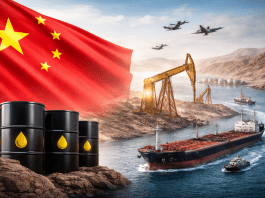
🌩️ China Builds While Russia Waits: How Beijing Became Cuba’s Last Lifeline Amid Total Grid Collapse
The new oil shipment is expected to travel by sea to Cuba’s main oil handling facilities. These deliveries are aimed at supporting fuel availability in the country, where energy supply has been under pressure in recent months.
Cuba relies heavily on imported fuel to power electricity systems, transportation networks, and industries. As a result, changes in oil shipments can quickly impact daily life and essential services. The latest planned delivery reflects a continued effort to maintain steady fuel flow through maritime transport routes.
First Major Oil Delivery Reaches After Months of Gap
Earlier this week, a Russian-flagged tanker delivered a large shipment of crude oil to Cuba’s Matanzas oil terminal. The cargo carried around 700,000 barrels. This marked one of the biggest energy deliveries to the island in recent months. The shipment came after a gap of about three months without a similar large delivery. It signaled a renewed flow of fuel supplies to the country.
The oil was unloaded at one of Cuba’s main fuel processing and storage hubs. This facility is important for distributing fuel across the country. It supplies power plants, transport systems, and industries that rely on steady energy access.
Crude oil is a raw material used to produce fuels like diesel, gasoline, and heating oil. These fuels are needed for electricity generation, public transport, and industrial activity. Even short disruptions in supply can quickly affect daily life and strain energy systems.
The shipment also shows the complexity of global oil transport. Large tankers travel long distances and require careful planning for loading, navigation, and port operations. The delivery is seen as an important moment in Cuba’s energy supply chain due to its scale and timing.
US Fuel Restrictions, Waiver Policy, and Humanitarian Context
The United States has maintained long-standing fuel-related restrictions on Cuba, limiting many types of trade and energy transactions with the island.
However, a waiver was granted in this case to allow a recent oil delivery to proceed under a humanitarian exception. This type of exception is used when shipments are considered necessary to support basic needs and essential services.
The waiver process is not automatic. Each request is reviewed separately, and approvals are given on a case-by-case basis. This means every shipment is assessed individually based on its purpose and expected impact.
Beyond Iran: Trump and Rubio signal Cuba as the next major US foreign policy focus
Such waivers allow limited energy supplies to reach Cuba despite broader restrictions. They are generally aimed at reducing pressure on essential services like electricity generation, healthcare, and public infrastructure.
Fuel remains critical for countries that depend heavily on imports. Without regular deliveries, shortages can quickly affect power supply, transportation systems, and daily life.
In this situation, controlled permissions allow certain shipments to move even under restrictive policies. The recent approval shows how energy trade can still take place within complex political and regulatory systems, where exceptions are made for essential needs while broader limitations remain in force.