


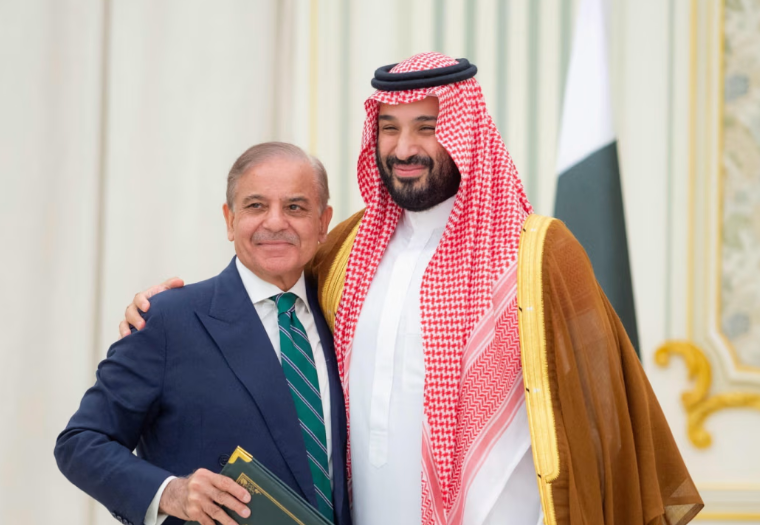


Tensions are rising across the Middle East. Pakistan has sent a clear and decisive message to its neighbor, Iran. The country is signaling that it will not remain neutral amid regional conflicts. This is especially true where Saudi Arabia’s interests and alliance with Pakistan are involved. The move highlights Pakistan’s growing role in the shifting balance of power. It also shows the careful diplomacy needed to navigate the ongoing crisis.
Clear Diplomatic Message on Pakistan’s Strategic Alliance
Pakistan has sent a strong diplomatic signal to Iran, making it clear where it stands as tensions in the region continue to rise. Officials in Islamabad stressed that while Pakistan values its long-standing neighborly relations with Tehran, its defense and economic alliance with Saudi Arabia remains the country’s top priority.
Experts describe this move as “clear-line diplomacy,” aimed at leaving no doubt about Pakistan’s stance in a potential escalation. By openly declaring its alignment, Pakistan is cautioning Iranian military planners against assuming the country will remain neutral if conflicts intensify between rival powers in the region.
Pakistan holds talks with Saudi Arabia on Islamic defence cooperation amid Middle East tensions
Sources suggest that Pakistan has made it clear it could offer logistical support or intelligence sharing with Saudi Arabia if critical Saudi oil infrastructure faces threats. This statement highlights Islamabad’s determination to prevent any miscalculation by Tehran and underscores the seriousness of its strategic alliance priorities.
This diplomatic gesture comes at a moment of heightened regional volatility. Analysts note that Pakistan’s message is designed to make Iran carefully reconsider any potential actions that might be perceived as aggression toward Saudi interests, signaling that Islamabad is ready to protect its partners if needed.
Strengthening Ties with Saudi Arabia
The timing of Pakistan’s statement coincides with a series of high-level meetings between Pakistani leaders and Saudi officials to discuss regional stability. Saudi Arabia continues to be a key financial and strategic partner for Pakistan, offering vital economic support and cooperation in defense matters.
By publicly reaffirming its loyalty to Riyadh, Pakistan sends a strong message that its partnership and alliance with Saudi Arabia is central to its foreign policy, not just a routine diplomatic formality. Experts describe this as highlighting the “strategic depth” of the bilateral alliance, showing Islamabad’s willingness to prioritize its alliance with Saudi Arabia over balancing ties between regional powers.
Pakistan weighs defence commitments as Saudi Iran tensions rise amid test of pact and global balance
The diplomatic move also signals Pakistan’s intent to maintain credibility with its allies while carefully managing its neighborhood relations. By clearly stating its position, Pakistan hopes to prevent misunderstandings that could escalate into conflict along its borders or complicate regional dynamics.
Observers note that Pakistan’s decision to be transparent about its stance demonstrates careful calculation. The country is projecting both caution and firmness, indicating it is prepared to act if necessary without provoking immediate confrontation.
Implications for Regional Security
Iran has not yet officially responded to Pakistan’s statement, leaving analysts closely watching Tehran’s next steps. Many observers suggest that Pakistan’s clear alignment with Saudi Arabia could complicate Iran’s security planning, especially along its eastern border.
Pakistan’s military, which has nuclear capabilities, now appears more closely aligned with Saudi Arabia. This alliance adds a new factor for Iranian leaders to consider, especially as tensions in the Middle East continue to draw in multiple regional actors. The message signals that Pakistan is willing to take concrete measures to protect its strategic partners, though it does not specify what form those measures might take.
Donald Trump warns Iran positioned 1,200 missiles targeting UAE, Qatar, Oman and Saudi Arabia
Traditionally, Pakistan has tried to maintain a balance between Tehran and Riyadh. This latest diplomatic declaration, however, marks a shift toward a more clearly defined stance, signaling that Pakistan will prioritize its strategic and economic alliance with Saudi Arabia over balancing between rival powers.
The firm tone of Pakistan’s message demonstrates the country’s resolve to safeguard its national interests while managing complex regional relations. While Tehran’s response remains pending, the warning underscores that misjudging Pakistan’s position could carry significant consequences for regional stability.