




Pakistan’s powerful intelligence agency, the ISI, is reportedly planning major actions to disrupt Chinese investments in Afghanistan. Islamabad is growing increasingly concerned that it is losing control over the country, especially as India and Afghanistan have reset their diplomatic ties. Afghanistan’s foreign minister recently visited New Delhi to strengthen cooperation, signaling a growing partnership that Islamabad finds unsettling.
Pakistan Feels Its Control Over Afghanistan Slipping
For years, Pakistan believed it controlled the Afghan Taliban and could influence Afghanistan’s decisions. However, recent developments show the Taliban acting independently, especially in foreign policy, leaving Pakistan’s expectations unmet.
This shift has heightened tensions, as Pakistan can no longer dictate Afghanistan’s trade and regional projects. The Taliban’s independent approach signals a significant change in the region’s balance of influence, reducing Islamabad’s traditional leverage.
Afghanistan claims it thwarted Pakistani airstrike on Bagram as cross-border fighting escalates
A major source of friction is the China-Pakistan Economic Corridor Project 2.0. China decided to include Afghanistan in the initiative, a move Pakistan had not anticipated. Islamabad had hoped to remain the main trade gateway for the region, but this plan sidelines it, weakening its strategic position.
With Pakistan’s economy already under pressure, it has limited ability to challenge China’s decision or influence Afghanistan’s choices. The combination of the Taliban’s independence and China’s direct involvement in Afghanistan marks a notable decline in Pakistan’s control over the region.
Strategic Importance of the Wakhan Corridor for ISI Operations
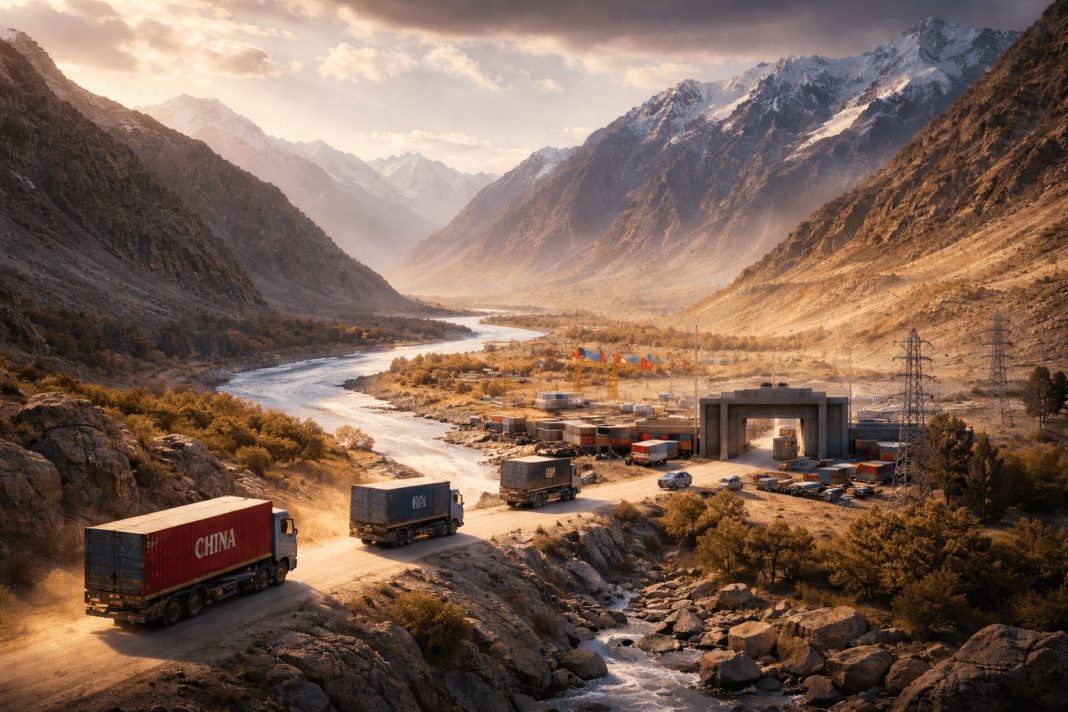
The ISI has reportedly focused its attention on the Wakhan Corridor, a narrow strip of land in northeastern Afghanistan. Notably, this corridor is strategically important as it borders China to the east, Pakistan to the south, and Tajikistan to the north. For China, it represents a potential new trading route into Afghanistan, thereby opening opportunities for investments and regional connectivity.
Furthermore, officials say that China has been planning multiple projects in the corridor. If these projects succeed, Pakistan would no longer be the main transit point for trade in the region. As a result, this prospect has alarmed Islamabad, prompting the ISI to reportedly form specialized units tasked with monitoring and potentially disrupting Chinese activities.
British veterans push back as Trump questions NATO’s front-line role in Afghanistan
The ISI is said to be coordinating with terrorist groups, including the Islamic State Khorasan Province (ISKP), to target Chinese projects. These groups have previously assisted Pakistan in conflicts against the Tehreek-e-Taliban Pakistan (TTP) and the Balochistan Liberation Army (BLA). The plan would involve striking key Chinese interests in the corridor, creating fear and insecurity that could deter investment.
Rising Tensions Between Pakistan, China, and Afghanistan
Relations between Pakistan and China, once seen as unbreakable, are showing signs of strain. China has raised concerns about Islamabad’s ability to protect its investments, particularly in Balochistan, where insurgent attacks have repeatedly targeted Chinese projects and workers.
Pakistan’s recent moves to strengthen ties with the United States, including signing a minerals deal, have further complicated its relationship with Beijing. Chinese officials are reportedly questioning Pakistan’s intentions and are becoming cautious about relying solely on Islamabad for regional projects.
At the same time, Afghanistan under the Taliban has made it clear that it will welcome investments that benefit the country but will not allow interference in its foreign policy. This independent stance marks a shift that weakens Pakistan’s influence and signals a new era of Afghan decision-making.
Pakistan defence minister Khwaja Asif admits Afghanistan wars were about power, not jihad
Experts note that any significant Chinese investment in Afghanistan, especially through the strategically important Wakhan Corridor, would be seen as a setback for Pakistan. Islamabad risks losing its traditional role as a regional trade gateway and may face further sidelining in security and economic matters.
Reports suggest that the ISI is allegedly coordinating with groups like ISKP to disrupt Chinese projects and create insecurity that could deter investment. This focus highlights Pakistan’s growing concern over losing influence in Afghanistan as China and the Taliban explore partnerships independently.
The tension underscores a broader struggle for control in South Asia, with competing interests between Pakistan, China, and Afghanistan shaping the region’s strategic and economic dynamics.