


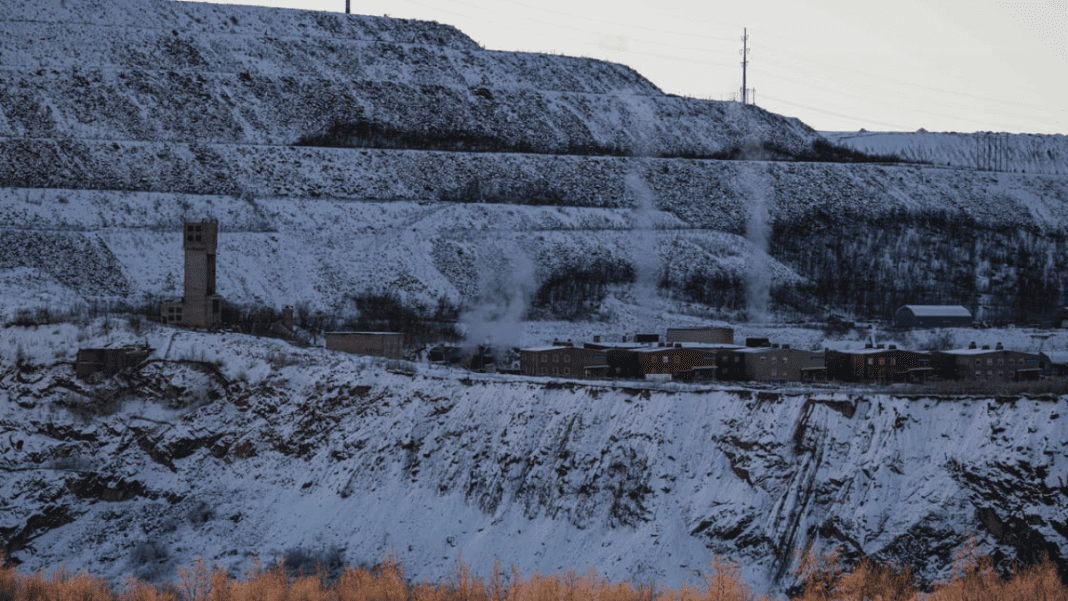


The ground beneath Scandinavia is drawing fresh attention across Europe. In southern Norway, a rare earth deposit known as Fensfeltet has grown much larger on paper after new calculations were released.
Updated estimates now show that the site holds around 15.9 million tonnes of rare earth oxides. This is about 80 percent more than earlier figures suggested. The deposit is located roughly 150 kilometres southwest of Oslo and is considered the largest documented rare earth resource in Europe.
A Massive Discovery in Norway Changes the Numbers
Rare earth elements may sound complex, but they are part of daily life. They are used to make strong magnets found in electric vehicles, wind turbines, smartphones, and many defence systems. Without these elements, much of today’s modern technology would not work.
Britain strengthens Arctic deterrence with massive Norway troop surge
The larger estimate of Norway’s deposit has strengthened the country’s role in talks about Europe’s access to critical raw materials. These materials are called critical because they are essential for industry and clean energy, yet difficult to replace.
The discovery comes as Europe tries to reduce its reliance on China, which has long dominated rare earth mining and processing. Many European industries depend on supplies from there.
The updated figures make the Norwegian deposit more significant in Europe’s efforts to secure its own resources. The site also contains niobium and thorium. While mining is not guaranteed, the increased estimate has placed Norway more firmly on Europe’s raw materials map.
Sweden Adds to Nordic Rare Earth Momentum
Norway is not alone in drawing attention. Just days before Norway updated its resource figures, Sweden announced significant discoveries of rare and critical metals within its borders.
Together, these findings are positioning the Nordic region as an important area in Europe’s effort to secure critical raw materials. The Nordic countries are known for strong environmental standards and stable political systems, which adds weight to their discoveries.
Rare earth elements such as neodymium and praseodymium are central to this development. They are essential for producing permanent magnets used in electric vehicle motors and wind turbines. These magnets help convert energy into motion and electricity efficiently.
China views Greenland differently than Trump and moves to secure rare earths and Arctic trade
As Europe expands green energy projects and electric transport, demand for these materials continues to grow. Electric vehicles and renewable energy systems both rely heavily on rare earth technology.
Currently, much of the world’s rare earth processing takes place in China. Even when materials are mined elsewhere, they are often sent there for refining, creating supply chain risks.
The new Nordic discoveries are viewed as a way to reduce those risks and strengthen Europe’s position in securing critical raw materials.
Environmental Concerns and Regulatory Hurdles Remain
Despite the excitement surrounding the new estimates, mining projects in Scandinavia often face strong environmental scrutiny.
Norway’s updated figures were released by Rare Earths Norway, the company involved in the project. The company has described the larger estimate as strategically important for both Norway and the European Union.
However, extraction is far from guaranteed.
Mining in the Nordic region is governed by strict environmental rules. Local communities and environmental groups often raise concerns about land use, pollution, and long-term ecological impact.
Before any extraction can begin at Fensfeltet, the project must secure environmental approvals. This process involves detailed studies, impact assessments, and regulatory reviews, and it can take significant time.
Such scrutiny is common across Scandinavia. Mining proposals are carefully examined to protect forests, water resources, and wildlife, which are considered national priorities.
UK and Norway build one of the world’s largest anti-submarine fleets as undersea sabotage fears rise
At the same time, the debate over critical raw materials is growing across Europe. The region’s reliance on China for rare earth processing has become a major economic and industrial issue.
The updated resource estimate at Fensfeltet has strengthened Norway’s position in these discussions and added to the broader Nordic role in securing rare and critical metals.
Although the deposit is now believed to be much larger and contains materials essential for electric vehicles, wind turbines, smartphones, and defence systems, mining cannot begin without regulatory clearance.