


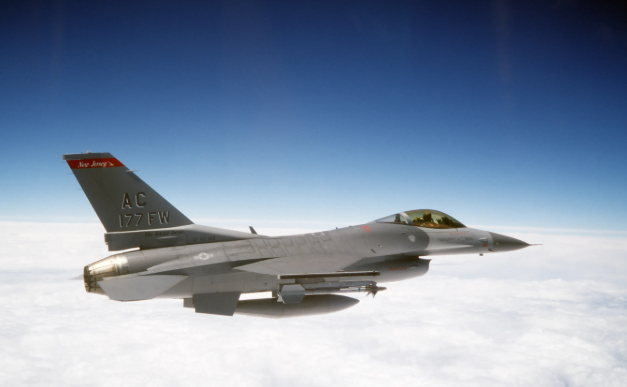


A civilian aircraft entered restricted airspace near Palm Beach, Florida, close to Mar-a-Lago, where current U.S. President Donald Trump was staying. The violation took place in a Temporary Flight Restriction (TFR) zone set up for security. NORAD quickly responded by sending fighter jets to intercept and guide the aircraft away. Officials confirmed the situation was handled safely under standard procedures.
Incident Overview: What Happened Over Palm Beach Airspace
A serious airspace violation occurred on Sunday near Palm Beach, Florida, close to U.S. President Donald Trump’s residence at Mar-a-Lago. A civilian aircraft entered a restricted zone known as a Temporary Flight Restriction (TFR), which is activated to protect sensitive areas when high-profile individuals are present.
Officials said the incident happened at around 1:15 pm Eastern Time on March 29, 2026. The aircraft entered the restricted airspace without permission, triggering an immediate response from the North American Aerospace Defense Command (NORAD), which is responsible for monitoring and securing U.S. airspace.
Beyond Iran: Trump and Rubio signal Cuba as the next major US foreign policy focus
NORAD quickly deployed two F-16 fighter jets to intercept the plane. The jets were sent to identify the aircraft, communicate with the pilot, and ensure it safely left the restricted area.
Authorities emphasized that such violations are treated seriously, especially near protected locations. Even unintentional navigation errors by civilian pilots can lead to rapid military interception to maintain airspace security and safety.
NORAD Response: F-16 Jets, Flares, and Safe Escort
Once the unauthorized aircraft entered the restricted airspace, NORAD responded immediately. Two F-16 fighter jets were scrambled and sent to intercept the plane. Their mission was to locate the civilian aircraft, establish communication, and guide it safely out of the restricted zone.
As the jets approached, they used a standard warning method to get the pilot’s attention without creating danger. The F-16s “dispensed flares,” which are bright burning lights released from military aircraft. These flares are not weapons in this situation. Instead, they are visual signals that pilots can easily notice in the sky, especially during an interception.
NORAD stated that the flares may also have been visible from the ground. Their main purpose was to clearly alert the pilot that they had entered restricted airspace and needed to follow instructions.
The 15 points mystery: Trump claims productive talks with Iran despite Tehran’s denial
After the visual warning, the fighter jets maintained contact and escorted the civilian aircraft out of the restricted area. This escort ensured the plane left safely and did not accidentally return to the protected zone.
NORAD emphasized that the entire operation proceeded in a controlled and safety-focused manner. According to NORAD spokesperson 2nd Lt. Tyler Turnmire, the pilots used the flares only for communication and attention, following standard air defense procedures.
Officials confirmed that the aircraft did not pose any direct threat but still violated active airspace restriction rules.
Security Around Mar-a-Lago and Details From Officials
The U.S. Secret Service confirmed that there was no threat to President Donald Trump during the airspace incident near Palm Beach, Florida. His aircraft was safely parked at Palm Beach International Airport, and officials reported no danger on the ground at any point.
The incident occurred near Mar-a-Lago, a highly secured private residence. When a former or current president is present, aviation authorities place a Temporary Flight Restriction (TFR) over the area. This restriction prevents any aircraft from entering the protected zone without permission.
Authorities widely use TFRs in aviation security and share them with pilots in advance. However, pilots can still violate them due to mistakes such as navigation errors or missing updated flight information.
When the aircraft entered the restricted airspace, NORAD followed standard procedures. The process included radar detection, identification of the aircraft, and direct communication through fighter jets. NORAD deployed two F-16 jets to intercept and guide the plane out of the area safely.
Officials confirmed that the operation ended without any injuries or damage. The escort moved the aircraft out of the restricted zone in a controlled manner.
NORAD and the Secret Service stated that such incidents receive high priority due to the sensitivity of protected airspace and the need for strict security enforcement.