


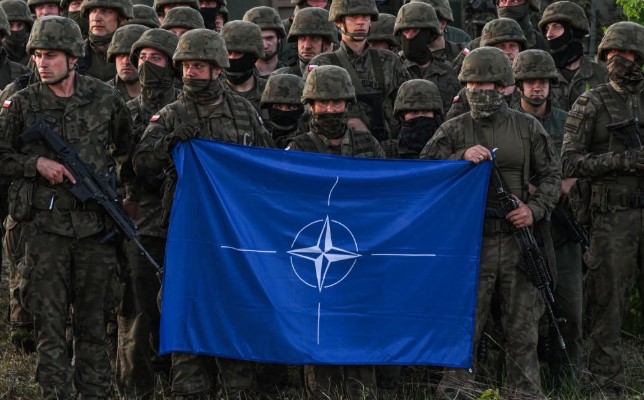


Lithuania has announced plans to expand its defense infrastructure as part of broader efforts to strengthen national security and support a growing presence of allied forces. The decision reflects the country’s focus on readiness, space, and coordination with partners at a time of heightened awareness across the region. A central part of this effort is improving military training capacity so forces can operate effectively under realistic conditions.
Strengthening Military Training Capacity Across Lithuania
The expansion includes the creation of a new large-scale exercise area in southern Lithuania, close to the borders with Poland and Belarus. This site is designed to support brigade-level activities, meaning it can host thousands of troops taking part in coordinated drills. Such large areas are essential for military training, as modern forces rely on vehicles, equipment, and units moving together across wide terrain.
Alongside the new southern site, Lithuania will significantly enlarge an existing exercise area in the western part of the country. The current facility near Tauragė will double in size by expanding into a neighboring district. This move will allow more frequent and more complex military training activities, easing pressure on current locations that are already in regular use.
Defense planners have described the expansion as a practical response to changes in force size and structure. As Lithuania increases the number of people serving through conscription and reserves, the demand for safe and effective military training space has grown. Larger areas also allow exercises that better reflect real-life conditions, including cooperation with allied units.
National authorities approved the plans after assessing security needs, land availability, and geographic suitability. They stressed that they chose the locations carefully based on access, terrain, and their importance to defense planning.
Focus on the Suwałki Gap and Regional Security
One of the most important aspects of the expansion is the location of the new site in southern Lithuania. This area lies within the Suwałki Gap, a narrow land corridor that connects the Baltic states to the rest of NATO through Poland. The corridor sits between two heavily militarized regions, making it a sensitive point on the regional security map and a priority area for military training activities.
The Suwałki Gap is often described as strategically vital because it is the only land route linking Lithuania, Latvia, and Estonia with other NATO members. Any disruption in this corridor could affect movement, supply routes, and coordination between allies. Because of this, the region receives special attention in defense planning and joint exercises.
By placing a large exercise area in this location, Lithuania aims to improve readiness where it matters most. Conducting military training close to the corridor allows forces to become familiar with the terrain, infrastructure, and local conditions. This familiarity is important for coordination and quick response during periods of increased tension.
Lithuania, together with Poland and NATO partners, has repeatedly emphasized the importance of keeping the Suwałki Gap secure. Expanding capacity in this area supports joint drills and shared planning, helping allied forces work together more smoothly and consistently.
The southern site is expected to host not only national troops but also allied units taking part in multinational exercises. Shared use of these areas helps build common standards and improves communication between forces from different countries.
Growing Armed Forces and Allied Presence Drive Expansion
Lithuania is expanding its exercise sites as its armed forces continue to grow. Higher conscription numbers and a larger reserve have increased pressure on existing facilities, creating a need for more space. Modern defense planning depends on areas that can support vehicles, live exercises, and coordinated maneuvers, which are essential for effective military training.
The expansion is also driven by a larger allied presence. Germany has pledged to deploy a full brigade of several thousand troops to Lithuania by 2027. This will raise the number of foreign soldiers in the country and increase demand for suitable areas for joint exercises.
Hosting large allied units requires strong infrastructure that can handle combined drills safely and efficiently. Expanding current sites and opening new ones helps maintain realistic military training conditions while avoiding overcrowding.
Lithuania’s investment in new equipment further adds to the need for larger and more flexible training areas, ensuring forces can practice together and operate smoothly with NATO partners.