


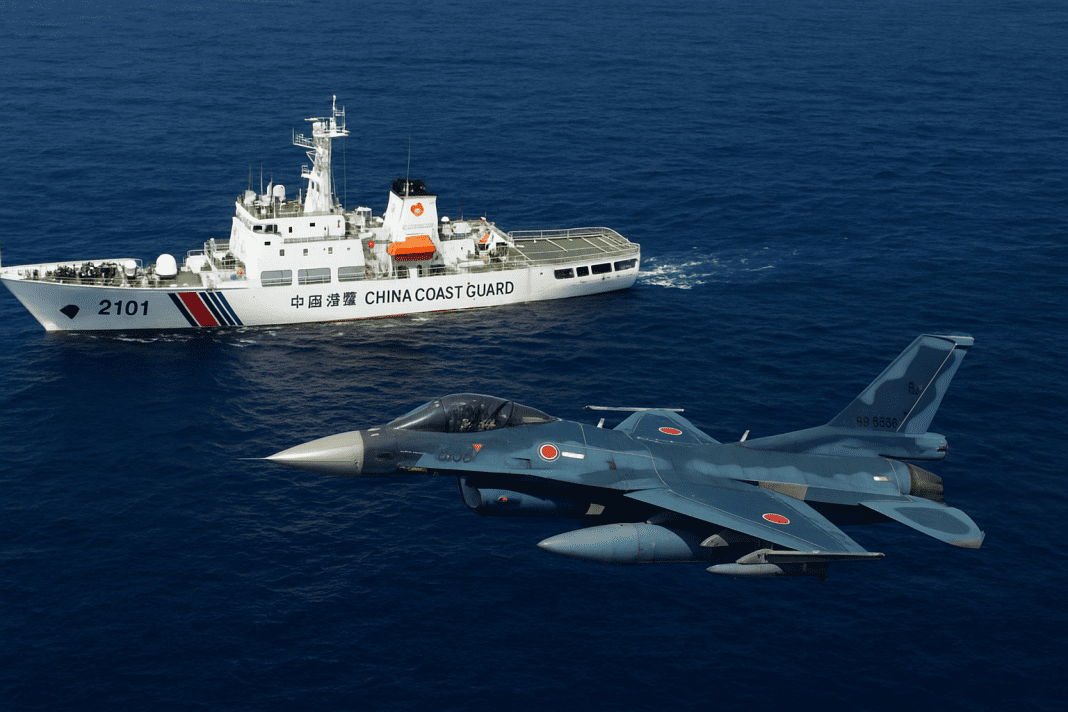


Japan’s defense chief has raised serious concerns over recent military activities by China and Russia in the East China Sea. The warnings came during video meetings with NATO’s top official and Italy’s defense minister, highlighting Japan’s push to engage international allies amid growing regional tensions.
Officials said the defense chief discussed China’s alleged use of fire-control radar on Japanese fighter jets and a joint flight by Chinese and Russian bombers near Japan’s southern islands. These incidents have heightened Tokyo’s focus on security, prompting the country to strengthen cooperation with key allies. Japanese officials emphasized that the nation will respond to developments in a “calm but firm” manner, signaling readiness without escalating conflict unnecessarily.
Japan’s outreach to NATO and Italy shows that Tokyo seeks to expand its network of support beyond traditional partners, highlighting the growing importance of multilateral cooperation in addressing East China Sea and regional security challenges.
Alarm Over Radar Use and Bomber Flights in the East China Sea
The events that triggered Japan’s concern occurred in early December. On December 6, Japan reported that Chinese forces aimed fire-control radar at its fighter jets, an action considered provocative and dangerous by Tokyo. Fire-control radar can be used to lock onto aircraft, raising the stakes for potential military confrontations in the East China Sea.
Just three days later, on December 9, Chinese and Russian bombers conducted a joint flight south of Okinawa, close to Japanese airspace. This coordinated operation was unusual and raised concerns about increasing military collaboration between China and Russia in the East China Sea region.
In response, Japan and the United States conducted a joint military exercise over the Sea of Japan. The drill involved two U.S. B-52 bombers and Japanese fighter jets. According to Japan’s Joint Staff, the exercise demonstrated both countries’ commitment to not allowing any unilateral changes to the status quo by force. The drill also signaled that Tokyo and Washington remain aligned in maintaining regional stability and security.
Officials noted that such exercises not only showcase military readiness but also reassure neighboring nations that Japan and its allies are vigilant and prepared to respond if tensions in the East China Sea escalate.
Disputed Islands and Naval Encounters in the East China Sea
Tensions remain high around the East China Sea, especially near the disputed islands called Senkaku in Japan and Diaoyu in China. Earlier this month, both nations issued warnings after increased activity near these islands, reflecting the long-standing territorial dispute that continues to strain relations.
Japanese Fighter Intercepts Chinese WL-10 Drone Over East China Sea
Japan reported that four Chinese Coast Guard vessels entered Japanese territorial waters near the islands on Wednesday. Chinese vessels frequently patrol the area, and some enter Japanese territory on a monthly basis. In March alone, fifteen Chinese ships were reported in the area. This frequent activity highlights how closely the two nations monitor and challenge each other’s claims in the East China Sea.
The presence of foreign vessels near Japanese waters increases the risk of accidental clashes, making security vigilance critical. Japan has been strengthening its maritime and air defense capabilities to respond effectively to such incidents while avoiding unnecessary escalation.
Taiwan Comments and International Reactions
The dispute between Japan and China has also been influenced by comments made by Japan’s Prime Minister in November regarding Taiwan. These remarks prompted a strong reaction from China, which continues to assert its One China principle. Both nations have since been actively seeking support from other countries to strengthen their positions.
While the United States has expressed clear support for Japan, other global powers have largely avoided taking sides publicly. China has reached out to countries including the United Kingdom, Germany, and France to reinforce its stance. These diplomatic moves highlight how regional security concerns in the East China Sea are increasingly drawing worldwide attention and influence.
Japan’s defense chief emphasized that Tokyo plans to remain calm yet resolute in its response to these incidents. By briefing NATO and Italy, Japan is seeking broader international support and demonstrating the importance of alliances in managing complex security challenges. The ongoing military activities near the southern islands and in the East China Sea underline the need for vigilance and collaboration to maintain regional stability.