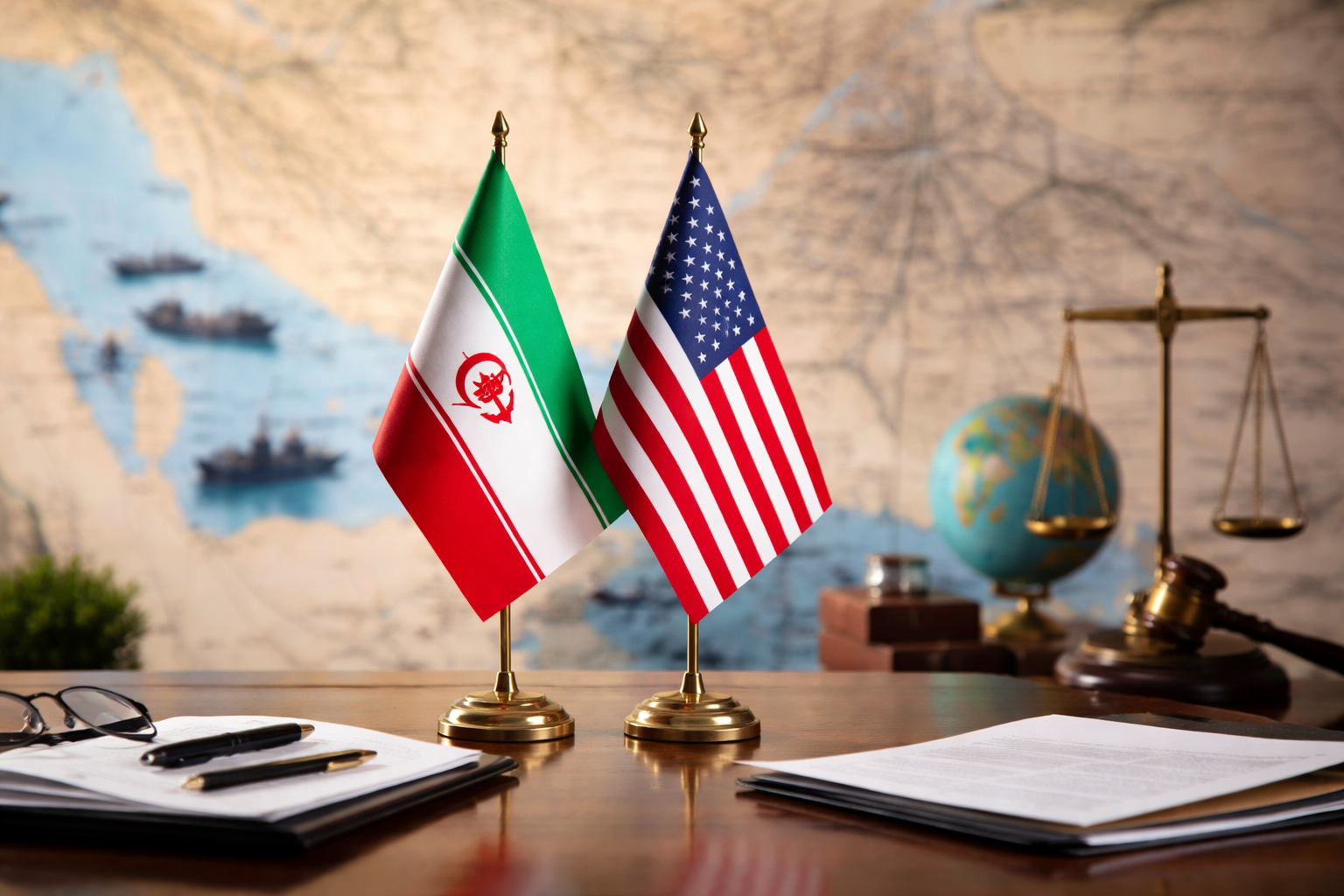
The IRGC has denied claims. It says Iran did not launch missiles during the ceasefire with the United States. The statement comes amid conflicting reports. Regional tensions are rising. Iran says it remains committed to the agreement.
IRGC Issues Strong Denial Over Missile Launch Claims
The Islamic Revolutionary Guard Corps (IRGC) has strongly denied reports claiming that Iran launched any missiles during the current ceasefire with the United States. Iranian state-linked communication channels and international media shared the statement. It clarified that Iranian forces have not carried out any missile operations against any country since the ceasefire began. It emphasized that Iran has paused its military activities in line with the agreement reached between the two sides.
The IRGC also rejected circulating reports about drone attacks. It stated that Iranian forces are not linked to such incidents. It described these claims as misinformation spreading amid heightened regional tensions and confusion. The IRGC issued the clarification to reinforce Iran’s position that it is respecting the ceasefire terms and avoiding any actions that could escalate the situation further.
Is the ceasefire holding? Confusion grows as heavy strikes continue in Lebanon
The statement comes at a time when global attention remains focused on the fragile ceasefire environment. Conflicting reports from different sources have added uncertainty, making official clarifications more significant.
Ceasefire Agreement and Ongoing Diplomatic Talks in Islamabad
Authorities announced the ceasefire between Iran and the United States earlier this week after high-level communication between both sides. The agreement aims to pause direct military hostilities and reduce growing tensions across the Middle East region. It represents an effort to stabilize a situation that has seen increasing pressure and uncertainty in recent weeks.
As part of the understanding, both sides expect discussions to extend beyond immediate conflict concerns. They are considering key issues such as maritime stability, especially around strategic waterways like the Strait of Hormuz. This route plays a highly important role in global oil and trade shipments, and any disruption could have wide international impact. Reports suggest that negotiators may include measures to ensure safe and secure passage for commercial shipping.
After the ceasefire announcement, Iranian authorities confirmed that diplomatic engagement will continue in Islamabad, Pakistan. Both sides expect representatives to take part in the planned talks, which aim to address unresolved disputes and prevent further escalation.
Iranian officials have stated that they remain open to continued dialogue and expect reciprocal participation from the other side. Pakistan will host the meetings, although security concerns remain sensitive, and officials have not fully revealed details about the timing and structure of the negotiations.
Regional Tensions Continue Amid Conflicting Military Reports
Even with the ceasefire in place between Iran and the United States, reports of military activity have continued to emerge from the wider region, adding to uncertainty and concern. In particular, developments in parts of Lebanon have drawn attention, where air and artillery strikes have been reported in multiple locations, including areas near populated towns.
These actions have been linked to ongoing regional military operations and have raised questions about whether the broader security environment is stabilizing despite the ceasefire. The situation has added complexity to an already tense regional landscape, where multiple conflicts and actors overlap.
The United States has clarified that certain incidents occurring outside the immediate scope of the agreement are not covered under the ceasefire terms. This highlights that the arrangement between Iran and the United States has specific geographic and operational limits and does not automatically apply to all regional military activity.
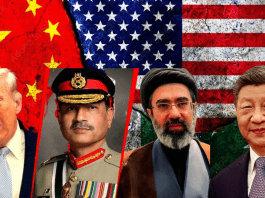
Was Pakistan the messenger or was China the author? The mystery behind the U.S.-Iran ceasefire
Meanwhile, the IRGC has firmly denied any involvement in actions that would violate the ceasefire. It has stated that Iranian forces are not conducting missile or drone operations and has rejected claims suggesting otherwise.
These conflicting narratives have contributed to confusion in international reporting, as different sides present differing interpretations of events. Global observers continue to monitor the situation closely, as overlapping conflicts in the region make it difficult to separate individual incidents from wider geopolitical tensions and security concerns.