


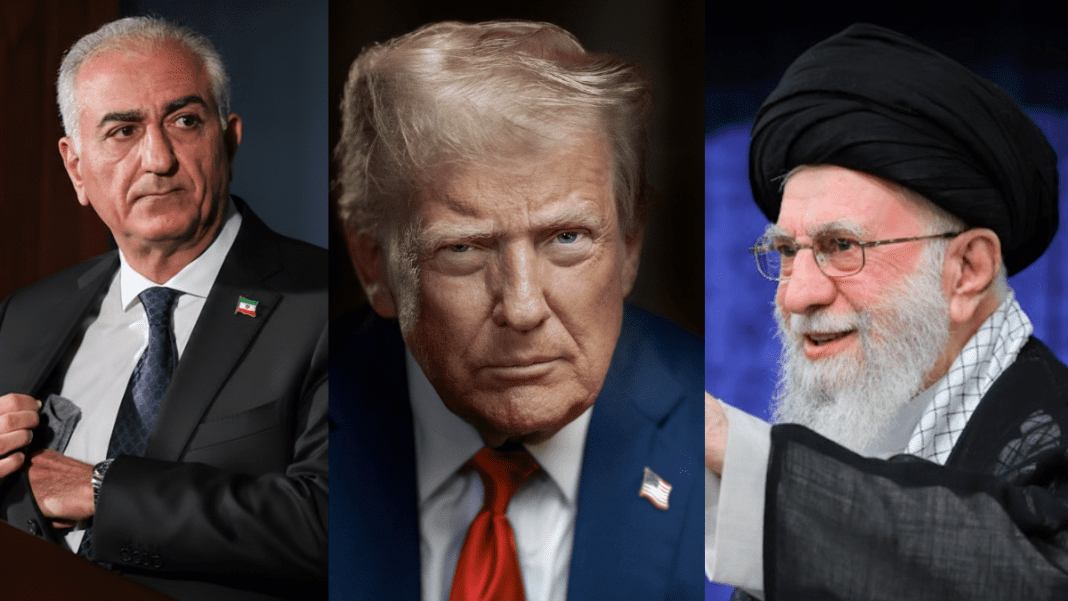


Iran is facing one of its most turbulent periods in decades as protests over economic hardship have escalated into widespread anti-government demonstrations. The unrest, which began in late December over rising costs and unemployment, has spread to cities across the country. Heavy government crackdowns, communication blackouts, and growing international attention further complicate the situation.
The crisis took a dramatic turn on Sunday when anti-government activists briefly hijacked the state television of Iran via a satellite platform. During the broadcast, Reza Pahlavi, the exiled crown prince of Iran, appeared on screens urging citizens to continue protesting and calling on security forces to support demonstrators. The hijack also displayed footage of global solidarity rallies and messages from international supporters, drawing unprecedented attention to the unrest.
Satellite Hijack Highlights Opposition Calls
The satellite hijack marked a rare instance of direct opposition messaging reaching the public audience of Iran. Activists encouraged citizens to “keep moving forward” despite ongoing crackdowns, while sharing clips from rallies abroad to demonstrate international support. These broadcasts were widely circulated online, making them one of the most notable disruptions in recent years.
The protests themselves began as demonstrations over economic grievances, including inflation, rising living costs, and unemployment. Citizens quickly expanded their demands to include political reform, challenging the government’s authority and policies. Authorities blame foreign interference for the unrest, accusing external powers of supporting “armed rioters,” while protesters insist that the violence stems from government oppression.
The combination of media restrictions, internet blackouts, and strict policing has left many citizens isolated. Families report difficulty contacting relatives, and eyewitnesses describe a steady flow of arrests and injuries, particularly in regions with historic tensions. Despite the danger, protesters and activists continue to seek visibility for their cause.
Deadly Crackdown in Iran and Human Toll
The protests have resulted in significant loss of life. Officials report thousands of deaths, including both civilians and members of security forces. Verified footage shows police firing live ammunition and using batons to suppress demonstrators. Violence has been especially severe in the Kurdish northwest, where local armed groups have historically challenged state authority.
Authorities of Iran have also threatened to carry out executions for individuals charged with serious offenses during the unrest. Acts described as waging war against the state, known as Mohareb under national law, carry the death penalty. Ayatollah Ali Khamenei, Iran’s Supreme Leader, defended the government’s response, blamed armed groups allegedly linked to foreign powers, and dismissed claims that authorities had halted executions.
Citizens report that security forces fill the streets with checkpoints, maintain a heavy presence, and instill ongoing fear of arrest. Families anxiously monitor the fate of their loved ones, while hospitals, schools, and businesses struggle to operate amid the crisis. Residents in quieter areas hear gunfire and notice neighbors suddenly disappearing.
Global Reactions and Rising Rhetoric
The unrest has drawn intense international attention. Donald Trump, former U.S. President, publicly condemned the Iranian crackdown on protesters and warned of potential consequences if violence continues. In response, Ayatollah Ali Khamenei accused foreign powers of meddling. He said external interference escalated the crisis and contributed to bloodshed.
Iran shocks world by selling ballistic missiles and warships for crypto, bypassing sanctions
Officials of Iran say armed groups with foreign support caused the unrest. Opposition voices, including Reza Pahlavi, highlight the suffering of ordinary citizens. They call for continued international attention. Eyewitnesses report that visible protests have decreased in some areas. Violent confrontations continue, and security forces remain heavily deployed.
Human rights organizations and media outlets continue to document the crisis. Smuggled videos show confrontations, public gatherings, and acts of solidarity. These reports keep the situation visible despite government attempts to control information. Domestic unrest, global scrutiny, and heavy security measures have created a tense environment. Citizens navigate fear and defiance every day.