


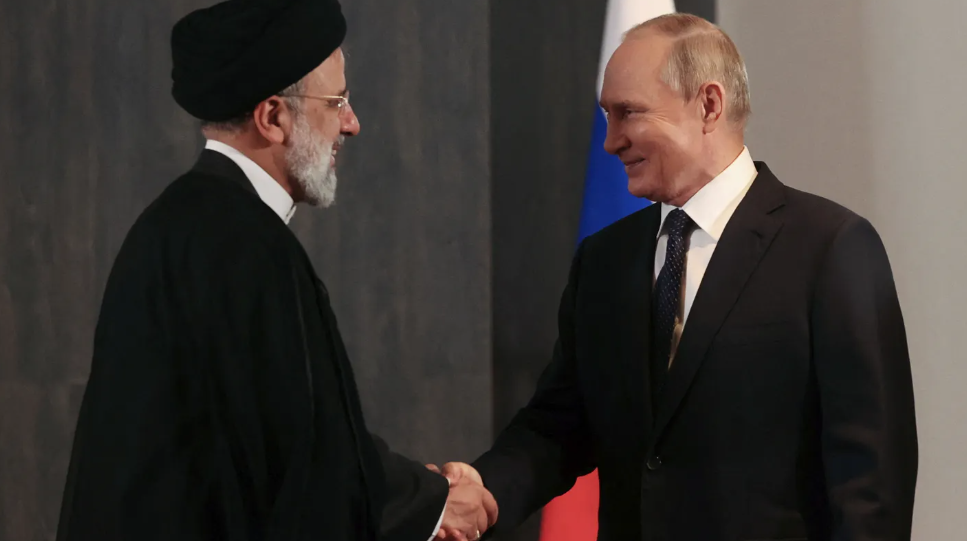


In a stunning revelation, Iran has reportedly sold nearly $3 billion worth of missiles and military equipment to Russia over the past four years. This massive missile sales operation includes a wide range of weaponry, from short-range ballistic missiles to sophisticated surface-to-air defense systems. The development comes amid Russia’s ongoing war in Ukraine, highlighting a rapidly growing military partnership between Tehran and Moscow.
Experts say these missile and drone supplies have allowed Russia to strengthen its military capabilities at a time when Moscow faces strict international sanctions for its war. While the full details of the contracts remain under investigation, Western security assessments reveal the scale and seriousness of this missile sales cooperation.
Billion-Dollar Missile Sales: From Fath 360 to Shahed Drones
The missile contracts reportedly began as early as October 2021, before Russia launched its full-scale invasion of Ukraine. According to officials, the arms trade includes:
- Hundreds of Fath 360 short-range ballistic missiles
- Nearly 500 other short-range missiles
- Around 200 surface-to-air missiles designed for anti-aircraft defense
Beyond traditional missiles, Iran has supplied Shahed-136 “kamikaze” drones. These drones are capable of flying directly into targets, causing precise destruction. Russia has even acquired the technology to produce these drones domestically under the name Geran-2, under a separate $1.75 billion contract signed in early 2023.
Ukraine’s Zaporizhzhia suffers heaviest overnight strike with missiles and Shahed drones
The total cost of Iranian missile sales and military equipment supplied to Russia since late 2021 is estimated at over $4 billion, making it a significant contribution to Moscow’s ongoing war effort. In addition to missiles and drones, millions of rounds of ammunition and artillery shells have reportedly been delivered. However, the full scope of Iran’s missile sales remains unclear.
Analysts point out that the combination of ballistic missiles, surface-to-air missiles, and drones provides Russia with both long-range offensive power and enhanced defensive capabilities. The mix of precision and firepower gives Moscow a broader ability to conduct attacks while defending key positions. The scale of these missile sales has surprised many observers in the West.
Strengthening Ties Amid War, Sanctions, and Missile Sales
Since February 2022, when Russia began its full-scale invasion of Ukraine, Iran and Russia have drawn closer. While the war has triggered harsh international sanctions against Moscow, Tehran appears to have leveraged this situation to build a stronger partnership with Russia.
The cooperation goes beyond military equipment. Officials have discussed creating a trade route linking Russia and Iran to India, along with boosting financial and banking collaboration. These initiatives are seen as ways to circumvent the impact of international sanctions while deepening the economic and strategic ties between the two countries.
South Africa begins naval drills with China, Russia and Iran to strengthen maritime cooperation
Despite the increasing military and economic partnership, the relationship does not include a formal mutual-defense pact. Russia did not offer assistance when Iran faced attacks from Israel and the United States last year, showing that the focus of the alliance is mainly on trade, missile sales, and arms rather than direct military intervention.
The timing of these missile sales is significant. Iran is currently dealing with internal unrest, with violent protests being suppressed across the country. By deepening ties with Russia, Tehran seems to be seeking strong allies to counterbalance Western pressure and international isolation.
The Impact of Iran’s Military Support
The delivery of Fath missiles, surface-to-air systems, and Shahed drones has provided Russia with significant enhancements to its military operations. The combination of these weapons, along with ongoing missile sales, has improved Russia’s long-range attack capabilities while reinforcing its defense systems. Analysts say these weapons have added both flexibility and precision to Moscow’s arsenal, strengthening its position in a prolonged conflict.
Iranian protesters return to streets despite rising death toll and military warning
The extensive trade in military equipment between Iran and Russia also highlights the growing geopolitical alliance between the two nations. The $2.7 billion missile sales, along with technology transfers, suggest a strategic partnership that continues to evolve amid global tensions.
While the full details of shipments and contracts remain undisclosed, experts agree that this level of missile sales marks a significant chapter in the military and political relationship between Iran and Russia, especially in the context of ongoing conflicts and sanctions.