


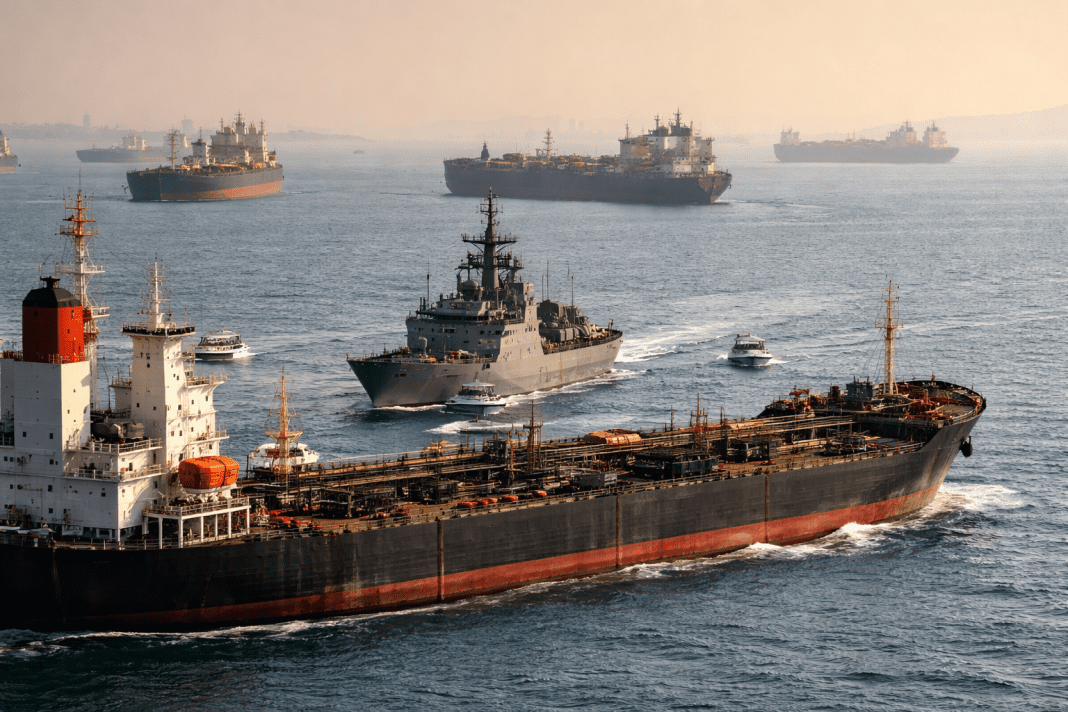


Tensions in the Persian Gulf have risen sharply. Iranian forces have blocked 38 Indian commercial vessels from continuing their journey. Iran has accused India of helping the United States locate and destroy a major Iranian naval ship. The allegation has triggered a diplomatic dispute between Tehran and New Delhi. The situation has also raised concerns about possible disruptions to global shipping and trade routes in the region.
Iran Accuses India of Supporting U.S. Military Operation
Tensions increased after an Iranian naval vessel was reportedly destroyed in an attack involving a U.S. submarine. Iranian officials claim the submarine located the ship with assistance from India, possibly through intelligence or logistical support. Tehran described the alleged help as a betrayal and said it goes against the long-standing diplomatic ties between the two countries.
For many years, India and Iran maintained strong economic and political relations. India was once among the largest buyers of Iranian crude oil, and both countries worked together on regional trade and infrastructure projects across West Asia. Because of this history, the accusations from Tehran have added political and emotional pressure to the current crisis.
Iran has responded by tightening control over maritime movement in parts of the Persian Gulf and blocking Indian vessels from continuing their journey. The Persian Gulf is one of the world’s most sensitive waterways, carrying large volumes of global oil shipments, and the situation is now being closely watched by shipping companies and international observers.
Blocked Ships in Persian Gulf Raise Concerns for Trade and Shipping
The presence of 38 Indian ships held in the Persian Gulf has created a complicated situation for maritime operators. The vessels cannot proceed along their planned routes, and many shipping companies are waiting for updates from authorities before making further decisions.
Commercial vessels usually move through this region under established international navigation rules. However, during times of military tension or regional conflict, naval forces often increase their monitoring of maritime traffic. In this case, Iranian forces have reportedly stopped the Indian vessels and prevented them from continuing their transit.
The delay is creating uncertainty for cargo deliveries and shipping schedules. Goods transported by sea often operate on strict timelines because industries depend on regular supply chains. Even short interruptions can create delays that spread across global markets.
Energy shipments are particularly sensitive to such disruptions. The Persian Gulf plays a vital role in transporting crude oil and other energy resources to countries around the world. Any disturbance in this area can affect fuel markets and transportation planning.
Shipping companies also face financial costs when vessels remain idle for extended periods. Crew members remain onboard while ships wait for clearance, and cargo deliveries are postponed until routes reopen. Because of these factors, maritime authorities are closely watching the situation.
Diplomatic Pressure Builds as Negotiations Begin
The standoff has placed India’s government in a difficult diplomatic situation. Officials are dealing with the immediate challenge of securing the release of the blocked ships while also managing relations with Iran. Diplomatic communication between the two countries is believed to be ongoing as discussions continue.
Maritime incidents involving commercial vessels often require careful negotiations to prevent further escalation. The blockade highlights how quickly international trade routes can be affected during times of conflict, especially in sensitive regions.
Doha explosions follow missile threat as Israel confirms incoming projectiles from Iran
Countries that usually maintain neutral or balanced diplomatic positions can face pressure when tensions between major powers increase. In this case, Iran’s action suggests it may be using its geographic control over parts of the Persian Gulf as leverage against nations accused of supporting its rivals.
The Persian Gulf is a vital route for global energy transport and shipping. Its narrow waterways connect major trade corridors between Asia, Europe, and other regions, and shipping companies and maritime authorities are closely monitoring the situation.