


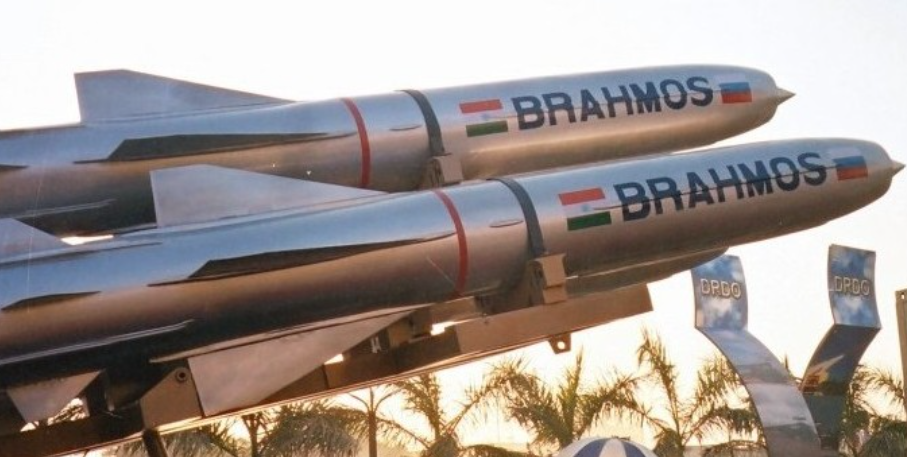


Indonesia has confirmed a major defence deal with India to acquire the BrahMos missile system, marking a significant step in the country’s military modernization efforts. The agreement, announced by Indonesia’s defence ministry, is valued between $200 million and $350 million. Officials described it as a strategic move to strengthen the nation’s defence capabilities, especially in the maritime sector.
What the BrahMos Missile Offers
The BrahMos missile is one of the fastest and most advanced cruise missiles in the world. Developed jointly by India’s Defence Research and Development Organisation (DRDO) and Russia’s NPO Mashinostroyeniya, the missile is produced under BrahMos Aerospace. Its name comes from combining the names of two famous rivers: the Brahmaputra in India and the Moskva in Russia.
This missile can travel at nearly three times the speed of sound, reaching Mach 2.8 to 3.0. Its speed makes it extremely difficult for existing defence systems to intercept. It can be launched in multiple ways – from land, sea, submarines, and even air through fighter jets. The missile uses a “Fire and Forget” system, meaning it can hit its target without further guidance once launched. It is extremely precise, with a Circular Error Probable (CEP) of just one meter.
Indonesia moves to expand naval capabilities after KSOT submarine completes successful torpedo trial
The BrahMos comes in several variants. The standard range is 290 kilometers, but extended versions can reach between 450 and 800 kilometers. It can fly extremely low, just 3–10 meters above the sea to avoid radar detection, or at high altitudes up to 15 kilometers.
Future models are also in development. The BrahMos-NG (Next Generation) will be smaller and lighter, designed for more aircraft types, while the BrahMos-II is a hypersonic version expected to reach speeds exceeding Mach 7–8.
India’s Export Success and Regional Significance
India has gradually shifted from being a defence importer to becoming a high-tech arms exporter. In 2022, India signed its first foreign BrahMos deal with the Philippines, worth $375 million. The recent agreement with Indonesia makes it the second international sale of this advanced missile system.
The deal comes at a time when Indonesia is actively modernizing its military, particularly its naval forces. The country sees the BrahMos missile as a key asset in protecting its extensive maritime boundaries. While officials did not disclose the exact value of the agreement, they emphasized that it is a vital part of improving defence hardware and enhancing national security.
Indonesia stuns China with bold Rafale jet surge during Paris defense push
BrahMos missiles have also been tested and deployed effectively in real-world operations. They were used extensively during Operation Sindoor in 2025, striking strategic targets with precision. This proven track record makes the missile an attractive choice for nations seeking reliable defence solutions.
By acquiring the BrahMos system, Indonesia not only boosts its military firepower but also strengthens its strategic ties with India. The deal reflects growing defence collaboration between countries in the Asia-Pacific region.
Regional Impact and Defence Modernization
Indonesia’s purchase of the BrahMos missile comes amid a regional focus on military preparedness. Moreover, the missile’s supersonic speed and precision targeting capabilities provide a significant edge in maritime security. As a result, it allows Indonesia to protect its islands, shipping routes, and coastal areas more effectively.
For India, exporting BrahMos missiles is a demonstration of its growing defence technology capabilities. The country has successfully turned decades of research and development into a product that appeals to international buyers. Additionally, the deal with Indonesia reinforces India’s position as a reliable partner in advanced defence solutions.
Furthermore, the missile system can be integrated into various platforms, offering flexibility to Indonesia’s armed forces. Its versatility—from land-based mobile launchers to air-launched systems—ensures it can respond to a wide range of security challenges. This adaptability is one of the reasons why the BrahMos continues to attract global attention.
Overall, the agreement is expected to solidify defense ties between India and Indonesia and is part of broader efforts by both nations to enhance military cooperation. It also reflects Indonesia’s focus on acquiring proven, high-performance weapons systems to modernize its forces.