


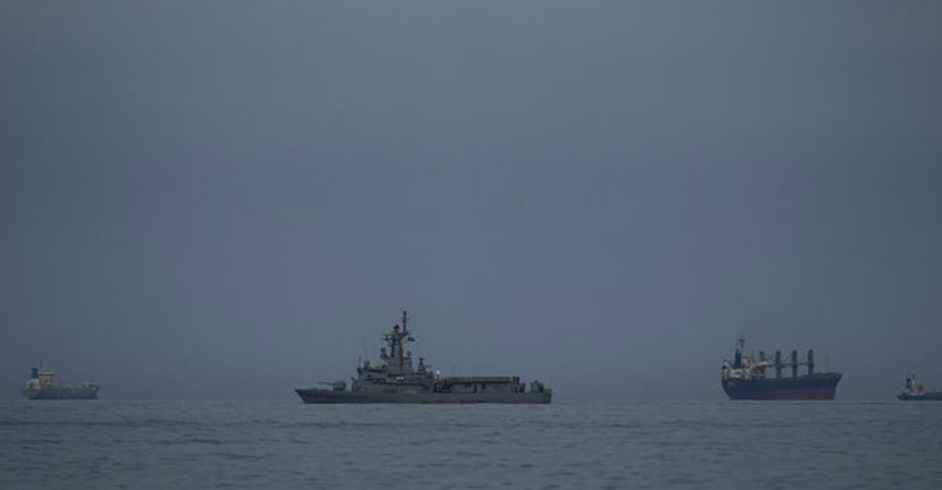


Rising tensions in the Middle East have put the Strait of Hormuz in focus. Nearly 40% of India’s crude oil imports pass through this route, and reports suggest Iran may allow Indian-flagged tankers to pass safely, offering a potential relief amid ongoing regional conflict.
Indian Source Reports Possible Safe Passage for Tankers Carrying Oil Imports
The Strait of Hormuz, a narrow but vital waterway, has drawn global attention. Nearly 40% of India’s crude oil imports pass through this route, making it a lifeline for the country’s energy needs. On Thursday, an Indian source said Iran may allow tankers flying the Indian flag to pass safely amid rising conflict in the region.
The Indian government and the Iranian embassy in New Delhi have not confirmed the report or responded publicly. The Indian source spoke anonymously because authorities did not authorize them to address the media. Meanwhile, an Iranian source outside the country denied that officials had reached any agreement, highlighting the sensitivity of the situation.
India reports 37 oil and LPG tankers stranded near Strait of Hormuz as fuel shipments delayed
If true, this could be a major step for India. The country relies heavily on oil imports from the Middle East, and previous disruptions in the Strait have forced India to look for alternative sources. Ensuring safe passage would reduce risks for shipping and secure oil imports and energy supplies.
In recent weeks, India has been increasing imports from other countries to meet domestic demand. Allowing Indian-flagged tankers to pass safely through the Strait could help stabilize oil imports and ease the pressure on the country’s logistics during this period of uncertainty.
Recent Attacks Heighten Maritime Safety Concerns
Concerns over tanker safety have grown following a recent attack on a Thai vessel heading to Kandla port in western India. The attack occurred in the Strait of Hormuz on Wednesday, prompting strong condemnation from New Delhi.
The Indian foreign ministry emphasized that commercial shipping should not be targeted and expressed concern over the rising intensity of maritime attacks. It also noted that Indian citizens have lost their lives in similar incidents in the past. “The intensity and lethality of these attacks appear to be increasing,” the ministry said, highlighting the dangers faced by ships navigating the region.
Iran IRGC says Strait of Hormuz passage open to states expelling US and Israeli envoys amid oil risk
According to reports, Iran has attacked at least 16 ships in the Strait of Hormuz since late February, following the escalation of the conflict with Israel and the United States. These attacks have affected not only India but also the global oil market, as disruptions in the Strait can lead to price volatility. Tehran has warned that oil prices could reach $200 per barrel, nearly double current levels, if the situation continues to deteriorate.
The attack on the Thai vessel underscores the challenges faced by commercial shipping companies. Safety concerns are now higher than ever, particularly for countries like India, which depend on uninterrupted oil supply through this strategic waterway.
Diplomatic Talks and Impact on Oil Supplies
India’s foreign minister recently spoke with his Iranian counterpart in a phone call focused on the security of ships passing through the Strait of Hormuz and other matters affecting trade between the two countries. While Iran has not publicly confirmed any agreement, the discussion shows both nations recognize the importance of keeping this critical shipping route safe.
The Strait of Hormuz has been under pressure due to ongoing conflict in the region, which has disrupted oil shipments and raised concerns for commercial shipping. India, as the world’s third-largest oil consumer, has already been exploring alternative routes and sources to ensure its energy supply remains stable.
U.S. Navy halts maritime military escorts for commercial vessels in Strait of Hormuz
If Indian-flagged tankers are allowed to pass safely through the Strait, it could reduce strain on India’s oil logistics and lower reliance on emergency alternatives. Such a move would provide relief to shipping companies and help maintain the flow of crude oil amid regional instability.
For now, the situation remains uncertain. One source reports that Iran has granted permission, while another denies any formal agreement exists. Shipping authorities and Indian officials are closely monitoring developments, with the safety of maritime traffic in the Strait of Hormuz remaining a top priority for India and the global shipping community.