


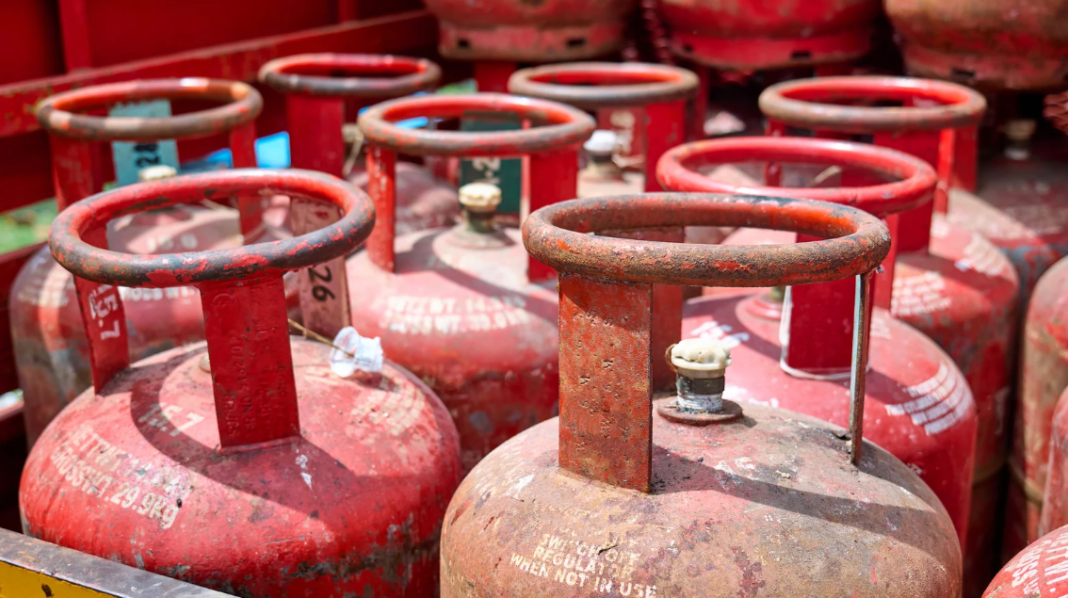


Global energy markets are under pressure due to rising tensions in key shipping routes, especially the Strait of Hormuz, disrupting oil, gas, and LPG movement worldwide. India, which relies heavily on imported LPG to meet domestic demand, is now facing shipment delays, rerouting of cargoes, and tighter supply availability, adding strain to its fuel distribution system.
Strait of Hormuz Tensions Disrupt LPG Trade
The Strait of Hormuz, one of the world’s most important sea routes for oil and gas, is facing growing disruption due to rising tensions in the Middle East. This narrow passage is essential for transporting energy shipments from major producing countries to global markets across Asia, Europe, and other regions.
A large portion of India’s energy imports, especially liquified petroleum gas, moves through this route, significantly affecting the country. Indian households widely use LPG for cooking, and industries also depend on it. Any delay or uncertainty in this corridor directly disrupts supply chains in India.
India and China among selected countries allowed transit through the Strait of Hormuz
Tensions linked to the broader US–Iran–Israel situation have increased shipping risks. These tensions have delayed cargo vessels, forced operators to reroute shipments, and led authorities to impose temporary restrictions near the Strait of Hormuz. Safety concerns and changing trade conditions have also prompted companies to redirect some shipments originally meant for other countries. India, which imports around 60% of its liquified petroleum gas demand, is already under supply pressure, with stranded cargoes adding to disruptions.
India Imports First Iranian Cargo After Years Amid Sanctions Waiver
The country has received an Iranian LPG cargo for the first time in several years, marking a notable development in energy imports. This development follows a temporary 30-day sanctions waiver issued by the United States aimed at helping stabilize global oil and gas prices amid ongoing supply concerns. The move marks a rare return of Iranian energy cargoes into India’s supply chain after a long gap.
India had stopped importing energy from Iran in 2019 due to international sanctions. Since then, direct trade in Iranian oil and gas had been largely absent. Changing global trade conditions and restricted permissions make the latest shipment a special case.
Pakistan signals negotiated safe passage as state-run tanker clears the Hormuz blockade
A sanctioned tanker identified as “Aurora” carried the cargo. Shipping data shows that the vessel was originally meant to deliver the shipment to China. However, traders later redirected the cargo and now expect it to arrive at Mangalore on India’s west coast. An international trader arranged the deal, and India will make the payment in its local currency.
After receiving the liquified petroleum gas, major state-run fuel companies—Indian Oil Corporation, Bharat Petroleum Corporation Limited, and Hindustan Petroleum Corporation Limited—will distribute it. These companies supply cooking gas to households and fuel to commercial users. Some official statements, however, indicate limited awareness of direct purchases, suggesting the transaction may involve indirect trade channels.
India’s LPG Supply Strain Deepens as Imports Cover Majority of National Demand
India is currently facing one of its most challenging liquified petroleum gas supply situations in decades. The country is the world’s second-largest importer of liquified petroleum gas, and demand continues to rise steadily due to population growth and increasing household usage across urban and rural areas.
Last year, India consumed about 33.15 million metric tonnes of LPG. Out of this, nearly 60% was met through imports from international suppliers. This high dependence on imported fuel makes the country sensitive to global price fluctuations, shipping delays, and geopolitical tensions that can affect supply chains.
India reports 37 oil and LPG tankers stranded near Strait of Hormuz as fuel shipments delayed
A significant portion of India’s liquified petroleum gas imports comes from Middle Eastern countries and travels through key maritime routes such as the Strait of Hormuz. This narrow but crucial passage is one of the most important energy corridors in the world. When it experiences disruption, delays in tanker movement directly impact delivery schedules and reduce the steady flow of liquified petroleum gas into India.
To manage the situation, authorities have reportedly prioritized LPG distribution for household cooking needs to ensure essential supply for families. At the same time, some industrial users have faced reduced allocations. Efforts are also being made to clear stranded LPG tankers and resume loading operations on delayed vessels, helping restore smoother movement in the supply chain.