


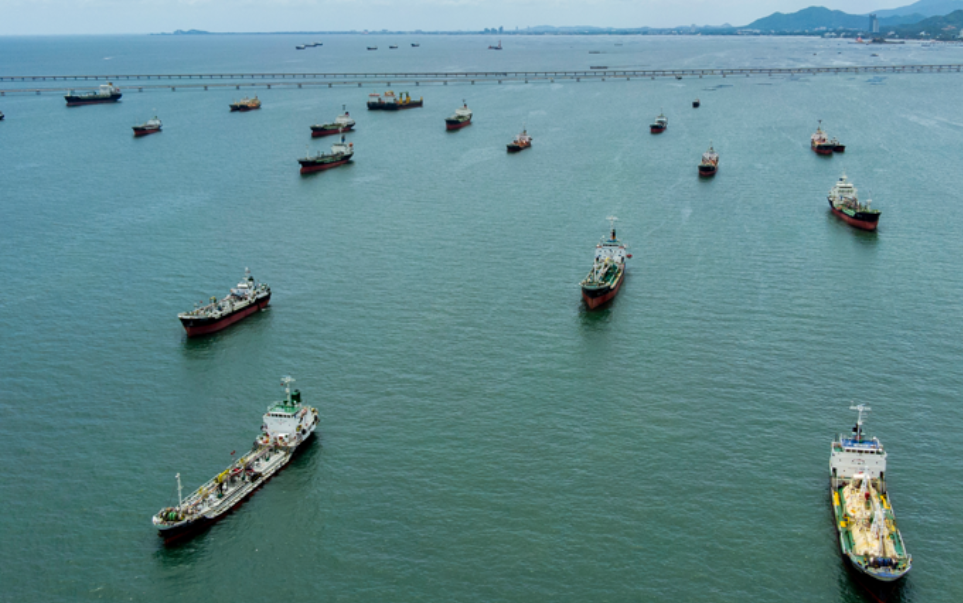


Rising tensions in the Middle East have put the Strait of Hormuz in global focus. Iran has said only selected “friendly nations” will be allowed passage. This comes amid ongoing conflict in the region. The move has raised worldwide concern. The Strait is vital for global energy and trade.
Iran Permits “Friendly Nations” Through Strait of Hormuz
Iran has announced that access through the Strait of Hormuz will be allowed only for selected “friendly nations” amid rising tensions in the Middle East. This decision comes during ongoing military escalation in the region, raising global concerns over energy security and international trade.
According to the statement shared through diplomatic channels, countries such as India, China, Russia, Iraq, and Pakistan have been granted transit rights through the Strait. The move suggests that other nations may face restricted access to this crucial maritime route.
Seven Russian oil tankers originally bound for China make sudden U-turn toward India
The Strait of Hormuz is one of the world’s most important waterways, connecting the Persian Gulf with the Gulf of Oman and the Arabian Sea. A large share of global oil shipments passes through this narrow passage daily, making it vital for global energy supply chains.
Even minor disruptions in the Strait can impact fuel prices, shipping costs, and global markets. The announcement comes amid heightened regional tensions, highlighting the Strait’s strategic importance and Iran’s selective approach to maritime access during the conflict period.
United Nations Raises Alarm Over Global Impact of Strait Disruption
The United Nations has expressed deep concern over the rising instability around the Strait of Hormuz, warning that any prolonged disruption could severely impact the global movement of essential goods. The Strait is a crucial maritime route through which large volumes of oil, gas, and other important resources pass daily, making it vital for international trade and energy security.
Apart from energy supplies, the Strait also plays a key role in transporting fertilizers and agricultural materials. This is especially important during the global planting season, when many countries depend on timely fertilizer deliveries to maintain food production and avoid shortages.
Pakistan signals negotiated safe passage as state-run tanker clears the Hormuz blockade
The United Nations has cautioned that continued tensions or restrictions in the region could trigger wide-ranging global consequences. These may include higher fuel prices, increased shipping and transport costs, and additional pressure on already fragile global food supply chains, affecting both developed and developing nations.
The organization has also emphasized the humanitarian impact of the ongoing military escalation, noting that civilians in affected areas are facing insecurity, uncertainty, and disruption in daily life. It has urged all involved parties to take immediate steps to reduce tensions, ensure the Strait remains open for international trade, and prevent further escalation of the conflict that could worsen global economic and humanitarian conditions.
Strait of Hormuz Becomes Key Pressure Point in Middle East Conflict
The Strait of Hormuz is now at the center of rising geopolitical tension. People widely see it as one of the world’s most important chokepoints because a huge amount of oil and gas passes through it every day. This makes it extremely important for global energy supply and international trade.
Western countries depend heavily on this route for energy imports. Any disruption in movement through the Strait can quickly affect the global oil supply chain. It can also lead to sudden increases in fuel prices across international markets, creating wider economic pressure.
India-bound oil tanker reaches Mumbai safely after going dark through conflict-hit Strait of Hormuz
Recent military developments in the Middle East have increased fears that Iran or other actors could block or restrict the Strait. In response, Iran has taken steps that prioritize access for countries it considers politically aligned or neutral in the ongoing situation. This includes selected “friendly nations.”
The announcement shows that Iran will allow countries such as India, Pakistan, China, Russia, and Iraq to pass through the Strait, reflecting a selective approach to maritime access. The situation remains under close global monitoring, as shipping companies, trade networks, and energy-importing nations depend on the smooth flow of traffic through this critical waterway.