


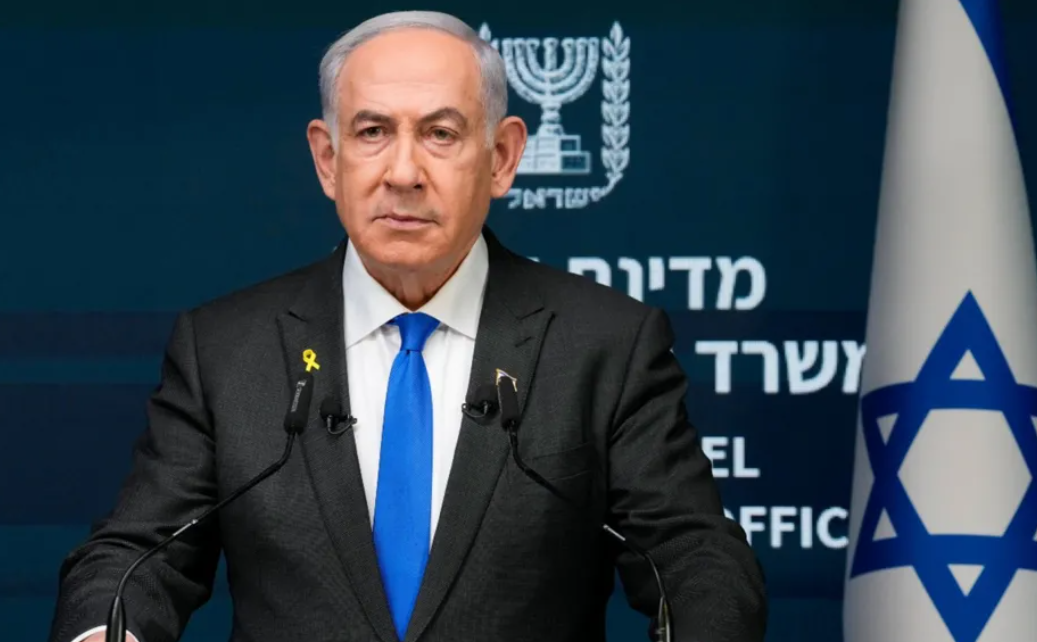


The quote often linked to Benjamin Netanyahu has once again come into sharp focus as tensions in the Middle East continue to rise. The statement reads: “If the Arabs put down their weapons today, there would be no more violence. If the Jews put down their weapons today, there would be no more Israel.”
It is one of the most repeated and controversial lines associated with the long-running Israeli–Palestinian conflict. For many, it captures a simple idea about survival. For others, it ignores a much more complicated reality.
What the Quote Means
At its core, the statement by Benjamin Netanyahu focuses on survival and security. It presents Israel as a nation that must constantly defend itself to exist. The idea is simple: if Israel stops fighting, it risks being destroyed. In this view, violence is not a choice but something forced upon the country by its enemies.
Supporters argue this reflects real concerns. They point out that some groups in the region have openly called for Israel’s destruction. Because of this, they believe Israel cannot afford to lower its guard. The quote suggests that peace could be possible if those enemies chose to stop fighting.
Critics, however, strongly disagree. They say the statement oversimplifies a complex conflict and ignores issues like occupation and displacement. Some also question its origin, linking similar phrasing to Golda Meir, keeping the debate alive.
How It Connects to Today’s Conflicts
In recent years, the meaning of this quote has expanded beyond the Israeli–Palestinian conflict and is now often used to explain Israel’s stance toward Iran. Tensions between the two countries have been rising steadily over time, shaped by deep political and military differences.
Iran does not recognise Israel as a state and has supported groups like Hamas and Hezbollah that oppose Israel. In 2024, this long-running proxy conflict began shifting into direct clashes. By June 2025, the situation escalated further, turning into open confrontation between the two sides.
Hell to pay: Trump issues twin warnings to Iran and Hamas after Netanyahu talks
The conflict intensified on 28 February 2026, when Israel and the United States launched coordinated strikes on Iranian targets after nuclear talks failed. These strikes hit key infrastructure and leadership sites, marking a major turning point in the conflict.
Supporters of Benjamin Netanyahu say this situation reflects the logic behind the quote, arguing that Israel had no real choice but to act. Others, however, believe this approach ignores how repeated actions from both sides can increase tensions and create an ongoing cycle of conflict.
Why the Quote Remains Controversial
The reason this quote continues to spark debate is because it presents a very clear and simple idea in a very complex situation. Supporters see it as a truthful statement about survival. They believe Israel faces real threats and must stay strong to protect itself.
Critics, however, say the quote removes important context. They argue that it does not address the daily realities faced by Palestinians. These include limited movement, economic struggles, and the impact of long-term conflict.
Trump, Pezeshkian and Netanyahu reveal sharply different visions for ending the Iran war
The debate is not just about words. It is about how people understand the causes of violence in the region. One side sees defence as necessary, while the other sees a cycle where both sides play a role. The human cost is also a major part of this discussion, with civilians in places like Gaza, Lebanon, and Iran experiencing ongoing disruption and uncertainty.
Iran’s position toward Israel is well documented, including statements rejecting its existence. At the same time, the suffering of ordinary people on all sides continues to grow as conflicts expand. Because of this, no single quote can fully explain what is happening, yet the words of Benjamin Netanyahu remain central to political discussions.