


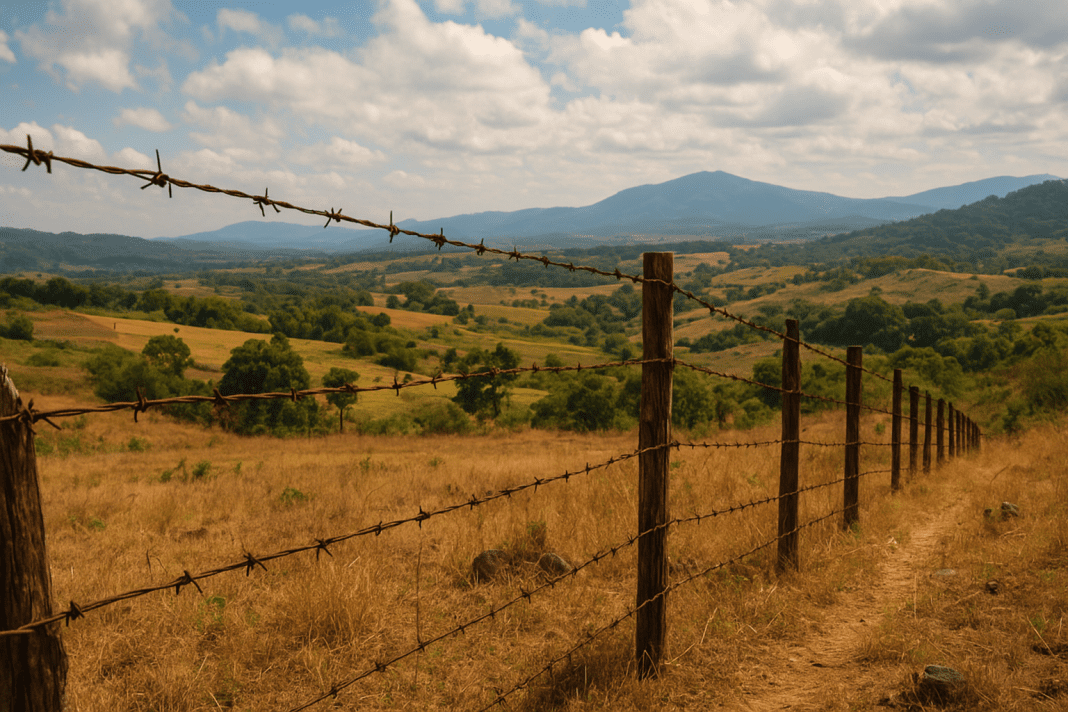


Guatemala faced a serious security threat when armed groups from Mexico crossed its northern border and attacked rural communities. The incidents occurred on December 8, when cartel gunmen entered the municipalities of San Marcos and Huehuetango, according to a statement from the Guatemalan Defense Ministry.
Cartel Gunmen Cross Into Guatemala
The attacks caused widespread panic in the villages. Residents reported hearing gunfire and seeing armed men moving through their neighborhoods. Many villagers described the scene as terrifying, with families fleeing to safer areas as chaos unfolded. The military confirmed that these gunmen carried out coordinated attacks targeting several communities, creating an immediate and dangerous security situation.
Guatemalan forces patrolling the border responded swiftly. The soldiers engaged the cartel gunmen in a violent shootout. During the clash, one Guatemalan soldier was injured. The army reported that three of the attackers were killed, while three others were captured after being wounded. Authorities also arrested one gunman alive, preventing him from continuing further attacks.
Cartel warfare fears rise after Parral killings — Mexico unleashes special operations troops
At this stage, officials have not confirmed which cartel was directly responsible for the invasion. Mexico’s Secretary of Defense, Ricardo Trevilla, noted that two major criminal groups operate in this border region: the Sinaloa Cartel and a faction known as Cartel Chiapas y Guatemala, linked to the Jalisco New Generation Cartel. Both groups have been officially labeled foreign terrorist organizations by the U.S. government, highlighting the seriousness of their activities.
Guatemala Deploys Elite Kaibiles Forces
In response to the December 8 attacks, Guatemala immediately deployed its Kaibiles, an elite special forces unit, to the northern border. The Kaibiles are highly trained soldiers skilled in high-risk operations, including countering organized crime, engaging armed groups, and securing vulnerable rural areas. Their deployment aims to prevent further attacks and restore order along the volatile border.
Meanwhile, Mexico’s military also increased patrols along the border in Chiapas, a state already experiencing rising levels of violence. In recent years, the Jalisco Cartel has been expanding aggressively in Chiapas, challenging the previously dominant Sinaloa Cartel. This ongoing turf war is largely linked to control over cocaine trafficking and human smuggling routes into Mexico, making the region a hotspot for cross-border criminal activity.
U.S. drops hammer on Mexico’s casino underworld as sanctions hit 27 cartel-linked targets
Authorities from both Guatemala and Mexico emphasized the importance of bilateral cooperation. The rapid deployment of troops on both sides of the border reflects the urgent need to contain criminal activity and protect local populations from further attacks. The situation has drawn significant attention from national and international observers due to the boldness of the cartel operations.
The Impact on Local Communities
The attacks and subsequent military clashes have had a major impact on local residents. Many villagers were left frightened and concerned for their safety. Schools and businesses in the affected areas temporarily closed, as families sought refuge in safer locations away from the conflict.
The Guatemalan government confirmed that the military’s intervention was necessary to prevent further loss of life. Neutralizing armed gunmen and securing the border areas demonstrated the authorities’ immediate response to the threat. Residents were advised to stay indoors, avoid traveling to remote areas, and follow instructions from local officials to remain safe.
This incident underscores the ongoing challenges faced along the Guatemala-Mexico border, a region long troubled by organized crime. Rival cartels frequently clash over smuggling routes and control of territory. The events of December 8 serve as a stark reminder of how quickly violence can erupt and the critical role of military forces in protecting civilian populations.
By deploying the Kaibiles and coordinating with Mexican security forces, authorities hope to restore stability in the border regions. The December 8 clashes are among the most serious incidents in recent years, highlighting the increasing boldness and reach of criminal groups operating across national borders. The incident also raises awareness about the continuing security challenges in rural communities near the frontier.