


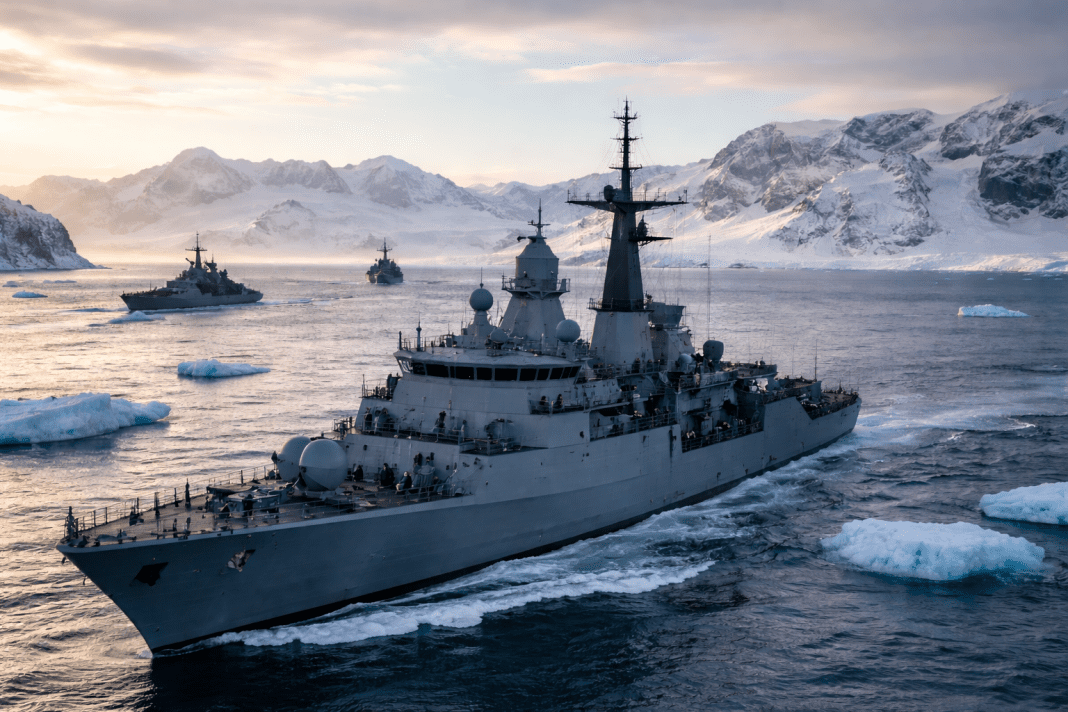


Germany emphasized that it must handle any response to rising security concerns in the North Atlantic and Arctic, including around Greenland, collectively through NATO. After the United States acted against Russian oil tankers, officials stressed that NATO members will coordinate any measures, and that the people of Greenland and Denmark will decide Greenland’s future, not other countries.
NATO Framework Key to Arctic Security
Germany’s message highlights the importance of NATO as the central forum for addressing security threats in the Arctic and North Atlantic regions. With growing attention from Russia and China, the Arctic is becoming a more strategically sensitive area. Germany stresses that discussions on defense and security must be joint efforts among NATO members.
Officials note that NATO provides the best platform to respond to potential threats. Germany has been actively investing in modernizing its military and strengthening defense capabilities, not only to protect its own territory but also to support allies across the North Atlantic. This includes closer cooperation with smaller NATO members that play key roles in the region. Germany views Iceland as a crucial partner in maintaining the alliance’s security presence in the North Atlantic.
“Ask Me in 20 Days”: Trump’s Greenland Remark Sparks Fears of New U.S. Arctic Power Play
The statement also emphasizes that NATO provides the forum to counter new rivalries emerging in the Arctic, especially as China increases its presence in the region. Germany stresses that all NATO members must coordinate the protection of their legitimate security interests, including those of local populations in Greenland, rather than relying on individual national actions.
US Actions and Growing Tensions with Russia and China
The recent U.S. move against Russian oil tankers has brought Arctic and North Atlantic security to the forefront. The United States claimed the tankers were transporting oil to countries in violation of Western sanctions. This action has prompted NATO allies, including Germany, to review security protocols and cooperation strategies in the region.
Germany stresses that while there may be speculation about the possibility of intercepting foreign vessels, any such measures will be carefully considered and executed only under NATO’s collective guidance. Germany also points out that its defense relationship with the United States is strong and transparent, and that cooperation between Europe, the U.S., and Canada remains vital to regional security.
Danish Army backs new Arctic drills to strengthen NATO readiness in Greenland
Officials note that Russia continues to strengthen ties with countries like Iran and North Korea, which adds complexity to the global security landscape. Meanwhile, China’s growing involvement in the Arctic has prompted NATO allies to pay closer attention to the region. Germany’s position is clear: sticking together within NATO is the best way to respond to these challenges, rather than acting independently or risking division among allies.
Germany Highlights NATO Role in Arctic Security
Germany underscores its long-standing defense partnership with the United States, which stretches back to the 1950s. This cooperation has played a key role in maintaining shared security goals across the North Atlantic, ensuring that both Europe and North America are better prepared to respond to potential threats. Historical U.S. air and naval bases in Greenland, although withdrawn in 2006, continue to influence current strategic planning and highlight the region’s long-term importance for allied defense.
U.S. moves to appoint envoy to Greenland as Arctic tensions echo Kashmir
German officials emphasize that NATO has become stronger over the years due to consistent and transparent collaboration among its members. Regular joint exercises, shared intelligence, and open communication have helped build trust and improve the alliance’s readiness to face challenges. Germany’s commitment to working closely with the United States and other NATO allies demonstrates the importance of unity in confronting security threats in sensitive areas like the Arctic.
By coordinating through NATO, Germany seeks to address threats from Russia and China collectively rather than through unilateral action. At the same time, it highlights that local populations, such as the residents of Greenland, must have a say in decisions that directly affect their lands. This approach balances the need for strong defense with respect for regional autonomy, ensuring that security measures are both effective and inclusive.