


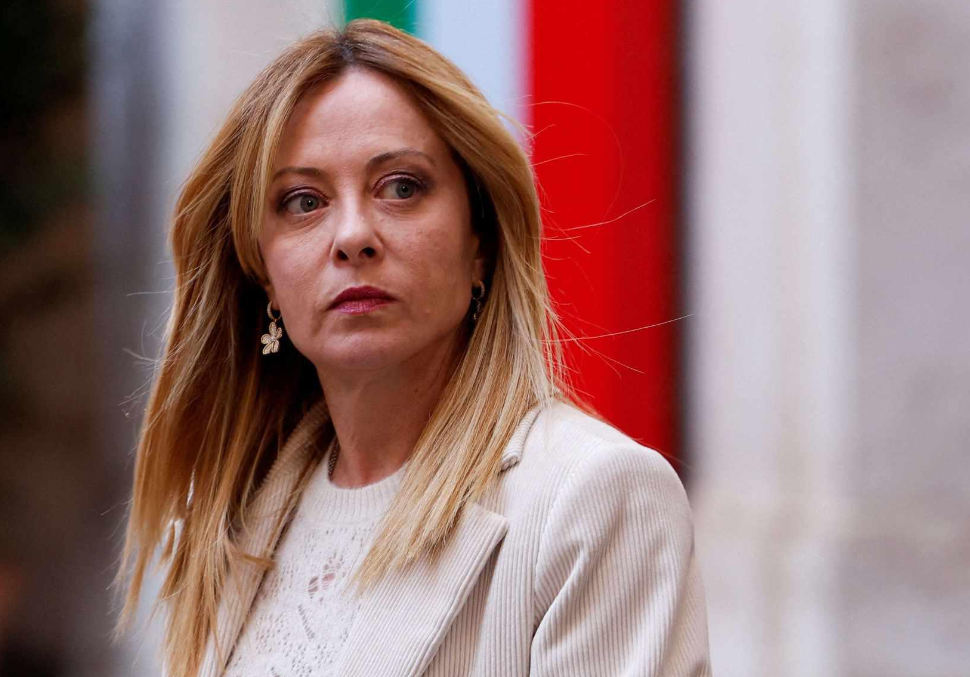


Italian Prime Minister Georgia Meloni is visiting Saudi Arabia, Qatar, and the United Arab Emirates. The visit comes amid rising tensions involving Iran. Europe is facing growing concerns over energy security. This is due to disruptions in liquefied natural gas (LNG) supplies and risks to key shipping routes in the Gulf. Italy depends heavily on oil and gas imports from the region.
Meloni’s Unannounced Gulf Trip and Key Meetings
Italian Prime Minister Georgia Meloni has made an unannounced two-day visit to the Gulf, travelling to Saudi Arabia, Qatar, and the United Arab Emirates amid rising regional tensions linked to the conflict involving Iran. The trip has drawn attention due to its timing and lack of prior announcement.
Meloni arrived in Jeddah, marking the first visit by a European Union leader to Saudi Arabia since the outbreak of the U.S.-Israeli conflict with Iran. She is expected to meet Crown Prince Mohammed bin Salman during her stay. Discussions are focused on strengthening political relations and expanding cooperation in energy and security.
China and Pakistan join forces to present a new five-point peace plan for the Middle East
Italian officials said the visit aims to support Gulf partners facing regional instability while also protecting Italy’s energy security. Italy relies heavily on Gulf oil and gas imports, making stable relations essential. Rome is also expected to back continued investments by energy major Eni, with talks covering oil, gas, and renewable energy cooperation.
Energy Security Concerns and LNG Supply Risks
One of the main reasons behind this visit is energy security. Italy depends heavily on energy imports from the Gulf region. Before the current conflict, Qatar supplied around 10 percent of Italy’s natural gas needs. Oil imports from West Asia also made up about 12 percent of Italy’s total oil supply last year.
These figures show how important the region is for keeping energy flowing into Italian homes, industries, and transportation systems. Any disruption in this supply chain could affect fuel prices, electricity costs, and industrial production in Italy.
Recently, Italy was informed that a Gulf-based supplier had extended a pause in liquefied natural gas (LNG) deliveries. This pause is linked to rising security risks in the region, especially concerns about the possible closure or disruption of the Strait of Hormuz, one of the world’s most important energy shipping routes.
Pakistan faces zero LNG availability as Qatar declares force majeure following Ras Laffan strikes
Because of this decision, about 10 LNG cargo shipments planned between April and mid-June will not be delivered. This has raised concerns in energy markets, as LNG is widely used for heating, electricity generation, and industrial processes.
Italian energy planners are closely monitoring these developments, as sudden changes in LNG supply can force countries to look for alternative sources or use stored reserves. The situation highlights how global energy supply chains are deeply connected to political stability in major producing regions.
Impact of Iran Tensions on Gulf Energy and Italian Imports
Tensions involving Iran have become a major factor affecting energy stability in the Gulf. Reports of attacks across the region have raised concerns about the safety of key energy infrastructure, including oil fields, refineries, and shipping routes.
These tensions have already impacted production. QatarEnergy’s chief executive recently said that strikes in the region reduced Qatar’s liquefied natural gas (LNG) export capacity by about 17 percent. This is significant because Qatar is one of the world’s largest LNG exporters.
The situation is especially sensitive because most energy exports from the Gulf pass through important maritime routes. Any disruption in these routes can delay shipments or increase shipping costs, which may eventually raise global energy prices.
Iran moves to tighten control over Strait of Hormuz after conflict, alarming energy markets
Italy’s reliance on these energy flows makes the issue important for its economic planning. Energy companies and government officials are closely monitoring developments that could affect supply stability.
At the same time, diplomatic visits such as those by Georgia Meloni are seen as a way to maintain communication with key Gulf partners. This also reflects the importance of preserving trade ties during periods of uncertainty. Energy cooperation remains a central topic, as countries work to balance security concerns with the need for stable fuel supplies.