


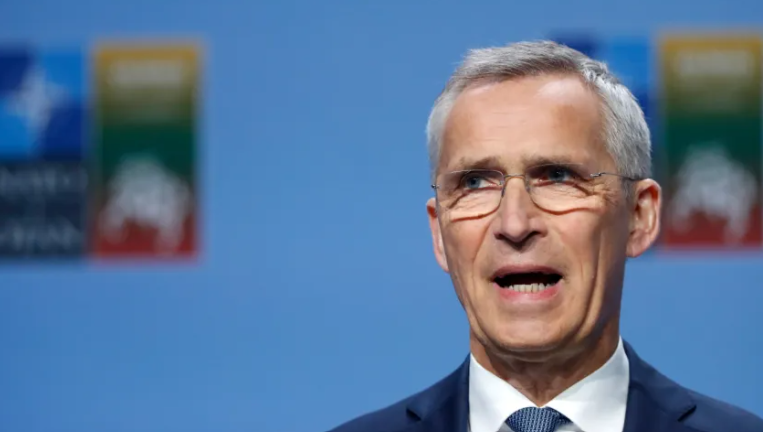


The former leader of the North Atlantic Treaty Organization (NATO) said he does not expect the alliance to become directly involved in the growing Middle East war. The conflict began after Israel and the United States launched air attacks on sites in Iran two weeks ago. However, he warned the war could still have major global effects, including economic pressure and rising energy prices.
Why NATO Has a Limited Role in Middle East Conflicts
The former leader of the North Atlantic Treaty Organization explained that the alliance has historically played only a limited role in conflicts in the Middle East. NATO’s primary mission has always been to protect its member countries across Europe and North America rather than to lead military operations in the region.
Because of this focus, he stressed that it is important to prevent NATO from becoming directly involved in the current conflict involving Israel, the United States, and Iran. NATO functions mainly as a collective defense alliance, where member countries work together to protect each other from threats that directly affect their territories.
Middle East conflict expands as Shiraz airport is hit and Iran launches drone attacks
However, the ongoing war is still affecting many NATO nations indirectly. Governments across Europe and North America are closely monitoring the situation because of concerns about regional stability, rising tensions, and possible impacts on global security and economic conditions. The crisis has also raised fears that wider instability in the Middle East could create additional challenges for NATO countries and their allies.
Oil Prices Surge After Strait of Hormuz Shutdown
Iran has shut down the Strait of Hormuz, one of the most important energy shipping routes in the world. This narrow waterway links the Persian Gulf to the open ocean and serves as a major passage for oil tankers transporting crude oil to global markets. Many countries in the Middle East rely on this route to export their energy supplies.
Nearly one-fifth of the world’s oil supply normally travels through the Strait of Hormuz. Because of this, any disruption in the waterway quickly affects global energy markets. The closure has now lasted for around 10 days, creating serious concerns about supply shortages and instability in international oil trade.
Americans scramble to evacuate Middle East as 9,000 flee war zone in 72 hours
As a result, oil prices have surged and recently climbed close to $100 per barrel. When crude oil prices increase, the cost of fuel, transportation, and many everyday products also rises. This often leads to inflation, making goods and services more expensive for people around the world.
Higher energy costs can also slow global economic growth. Businesses may struggle with rising operating expenses, while governments face pressure to control inflation and stabilize markets. To ease the situation, several countries have begun using emergency oil reserves to prevent shortages and reduce economic disruption.
Concerns That the War Could Benefit Russia
Another concern raised by the former NATO leader is how the conflict could affect Russia. Russia is one of the world’s largest oil producers, and rising global oil prices often benefit countries that export large amounts of energy. With oil prices climbing due to the conflict, there are growing worries that the crisis could strengthen Russia’s economy.
At the same time, the ongoing war in Ukraine remains a major security concern for many Western nations. Some military equipment that was originally meant for Ukraine is now being redirected to the Middle East to help defend against possible Iranian missile or drone attacks. This shift in resources could affect Ukraine’s ability to defend its territory.
Oman dragged into Middle East war as drones strike Salalah port, Iran denies role
The conflict in the Middle East has also drawn global attention away from Ukraine. As governments and international media focus on the escalating tensions in the region, there are concerns that political and military support for Ukraine could weaken.
Meanwhile, casualties from the war continue to rise. Authorities in Iran say more than 1,300 people have been killed, while Israel has reported 12 deaths. The United States has also confirmed the deaths of at least 11 soldiers, with several others suffering serious injuries.