


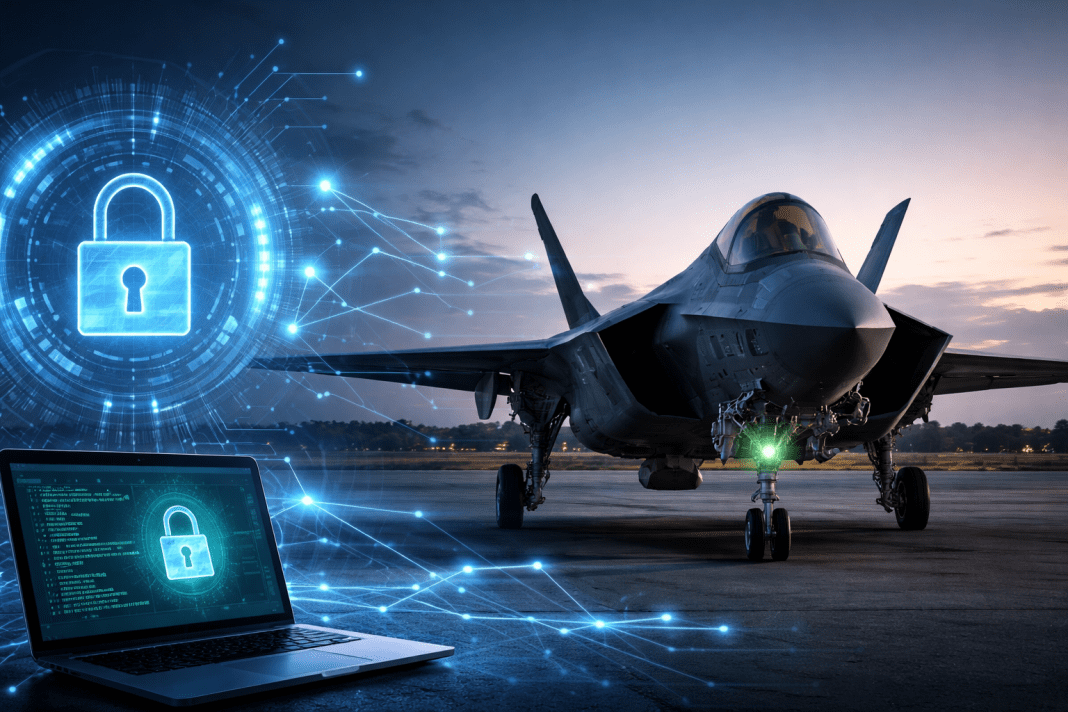


A senior European defense official has stirred debate by suggesting the F-35 fighter jet’s software could be “jailbroken” like a smartphone. The remark has raised concerns about cybersecurity and Europe’s reliance on foreign military technology. The comment gained attention because the advanced aircraft depends heavily on software to control its core operations and mission systems. The idea of a possible jailbreak has therefore become a key topic in discussions about modern military technology.
What an F-35 Jailbreak Would Actually Mean
In everyday technology, jailbreaking means removing software restrictions set by manufacturers to unlock extra features. When applied to a fighter jet, the term mainly refers to gaining deeper software access rather than making physical changes. The F-35 runs on tightly controlled software managed through centralized systems, and partner nations have limited authority to modify its internal code, which makes the concept of a jailbreak especially significant.
If a jet were theoretically jailbroken, a country could customize certain software functions independently, such as adding national systems or adjusting mission tools. A successful jailbreak could allow operators to bypass existing limits, although there is no evidence that such a process has actually taken place. The discussion described a possibility rather than confirming any real vulnerability linked to a jailbreak scenario.
Denmark moves to send four F-35 jets to NATO Arctic Sentry mission to strengthen regional presence
Experts stress that modern military jets include multiple layers of cybersecurity protection, making unauthorized access extremely difficult. Even so, debate around a potential jailbreak has gained attention because software now plays a major role in warfare. The F-35 depends heavily on complex code and real-time data processing, meaning any discussion involving a software jailbreak naturally attracts scrutiny.
Cloud Systems and Sensitive Mission Data
A key part of the F-35 program is its cloud-based logistics and maintenance network. Instead of servicing aircraft entirely at local bases, participating nations connect to a shared digital system that manages updates, diagnostics, and spare parts.
Earlier versions of this system faced technical problems, leading to the development of a newer platform designed to improve reliability and performance. Through this network, aircraft receive mission data packages containing highly sensitive information, such as radar signatures and details about potential enemy defenses.
These updates help pilots operate safely and effectively while ensuring aircraft remain connected to secure digital infrastructure. Security analysts note that weaknesses in such systems could pose risks, especially if someone attempted unauthorized access similar to a software jailbreak.
Europe races against time to close deep-strike missile gap as Russia rearms
If attackers compromised operational systems, they could expose sensitive data or disrupt mission planning. Authorities therefore place strict controls on software updates and access permissions. Experts now focus discussions about a possible jailbreak more on cybersecurity safeguards than on immediate technical danger.
The complexity of the F-35 also requires teams to closely monitor software changes. Even small adjustments can affect flight safety, sensor performance, or weapons integration, which is why authorities tightly restrict unauthorized modifications or any form of jailbreak.
Europe’s Debate Over Military Technology Dependence
Beyond cybersecurity concerns, the remarks have highlighted a broader debate within Europe’s defense community about reliance on foreign military technology. More than ten European nations participate in the F-35 program, one of the largest multinational defense projects ever developed. While the aircraft offers advanced capabilities, centralized software control has raised questions about operational independence and whether a jailbreak discussion reflects deeper strategic worries.
Several European leaders have called for stronger domestic defense industries and greater self-reliance in military production. These discussions have intensified amid rising geopolitical tensions and growing focus on supply chains, spare parts access, and operational autonomy during political disagreements among allies.
The F-35 operates using a “just-in-time” logistics model, where maintenance and updates are coordinated through shared digital networks rather than large local stockpiles. Although efficient, this approach depends heavily on continued cooperation between participating nations.
US War Chief urges European nations to take responsibility for continental security
Officials discussing the theoretical possibility of modifying jet software suggest defense planners are examining scenarios in which access to shared systems could be limited. Even hypothetical ideas, including the concept of a jailbreak, can influence planning when advanced technology is involved.
At the same time, analysts emphasize that cooperation remains central to the program, allowing allied forces to share data, coordinate operations, and maintain compatibility across borders through integrated digital systems.